
Write something

1d •
Resource from OpenAI for Veterans
G’day All, Mark Jaroszewski whom I met at the IPSB CPC conference in Charlotte, NC dropped a nugget in the forum chat about an OpenAI resource for veterans transitioning to private enterprise and it’s an explainer on the use of ChatGPT. https://academy.openai.com/public/resources/veterans Worth it if you’re leveling up from knuckle dragger to keyboard warrior - 😇😂 Cheers, Ben
0
0
Sep 22 •
Stacking - Vehicles Module Underway
Hi All, Currently building the vehicle stacking module for release this week. Any feedback questions or thoughts, please let me know and I’ll push that information in. Keen to hear if any of you have pertinent thoughts.
0
0
Sep 6 •
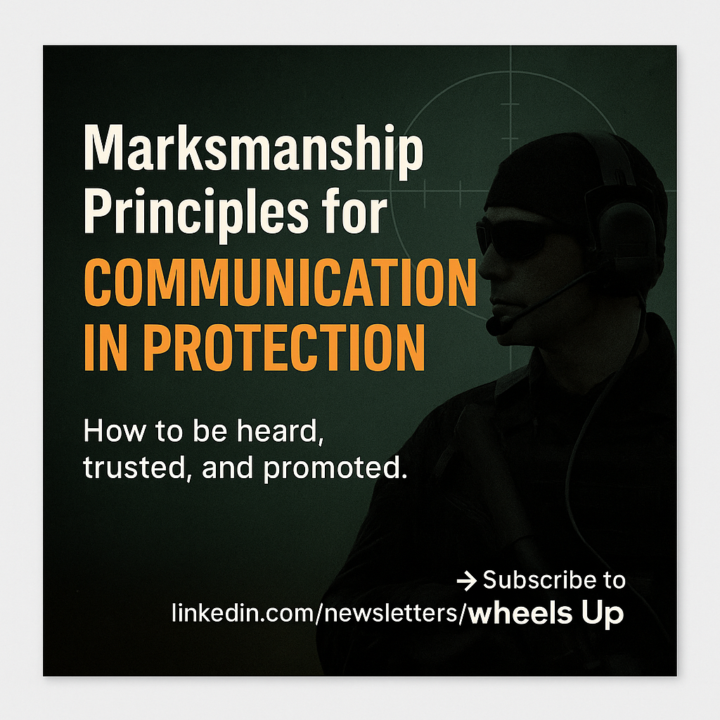
🎯 Marksmanship Principles for Communication in Protection
How to be heard, trusted, and promoted. The Metaphor: Accuracy isn’t about pulling the trigger harder. It’s about principles: breathing, sight picture, steady pressure. Miss those, and you’ll miss the mark. Communication works the same way. It’s why I write so much and post about this industry with such passion. Pause before you start and think whether you’re adding noise or signal. Are you firing for effect or for fatality. How that relates to communicating anything: Headline/hook Body/value Conclusion/reward Communicating with intent is like shooting with your sights on target. Listening first keeps you aligned with the mission. “In order to be heard, first you must listen.” The Payoff Good communication whether it’s during operations, on the tools in the field or for business is about one thing. Hitting the Target. Listening is your aim. Know your audience and how to communicate with them. Speaking/Writing is your shot. You need to master its delivery with tone, tempo, simplicity and truth. Together if you get them right. You’ll nail it. Every. Single. Time. Skip this discipline, and you’ll stay overlooked while others move forward. 👉 Subscribe to Wheels Up: https://www.linkedin.com/newsletters/wheels-up-7033254595942371328
0
0
Sep 6 •
How to Win Friends and Not Lose Respect: With Protocol
Here’s why I care about protocol. I’m in the business of keeping people safe without becoming the story. Protocol is how that happens. It turns ceremony into process and who moves when, which door opens, who speaks, who waits. When done properly the day is calm. It’s also respect. Titles, flags, seating, and sequencing aren’t only theatre; they’re the rules of someone else’s house. What they also are, is tradition, something we gloss over too quickly in society sadly - in my opinion - because it holds so much of our history. Is protocol part of every job? Absolutely not, infact it’s primarily for dignitary protections, guests of government and the official state work - but is it worth ignoring? Here’s my top five tips for Protocol: 1. Access & sequencing: Ignore protocol and doors don’t open: motorcade slots, lift control, and room entry are withheld. Schedules slip, the principal waits in public, and you’re sidelined by the host lead. 2. Precedence & titles: Wrong order, seating, flags, or forms of address offend the host = Embarrassment & Consequences: like removal from the room, strained relations, and a complaint that follows your careeer way longer than the client task after the event. 3. Legal & jurisdiction: Misreading status (HoS/HoG/minister) or the lead agency causes overreach. You risk unlawful direction, conflict with police/host security, and loss of accreditation. 4. Resources & routes: Without protocol alignment you lose escorts, reserved lanes, dais positions, and press pens. You’re forced into ad-hoc workarounds that increase risk and visibility. 5. Optics & timing: Miss cues (anthem, handshakes, toasts) and you block cameras, talk over ceremony, or miscue movements. You become the story; your principal bears the cost. How to Win 🥇 Coordinate with: the Protocol Officer (host government/organiser). In Australia: DFAT Protocol Branch, state/territory Protocol Units, or the venue’s Protocol Lead (plus the designated police/protective service).
0
0
Sep 1 •
Talent Cards Tempaltes
I've uploaded the new Talent Card Templates for use prior to sharing a CV. Useful for if you're liaising with an unknown regarding a position and building a relationship prior to employment/deployment/contract negotiations. These templates are also in the "Backgrounds & Introductions" pinned post for future reference.
1
0
1-5 of 5
powered by

skool.com/executive-protection-skool-8896
This is a no-nonsense portal for Operators (ex-Mil/LEO, security, switched-on civvies) to learn industry information about Close Personal Protection.
Suggested communities
Powered by