
Write something
Pinned

Feb 6 •
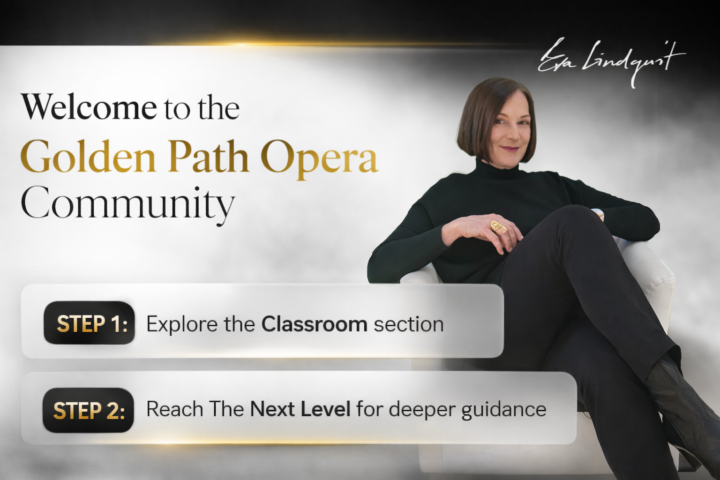
👋 START HERE ! Welcome to the Golden Path Classical Singing Community
I’m so happy you’re here — welcome 🌟 I created this community because I saw how many singers feel lost today. Too much information. Too many opinions. Too many people trying to “fix” the voice without really understanding it. After more than 25 years of teaching classical singers, I wanted to create a space that feels different:clear, supportive, structured, and human. A place where singers can grow step by step - without fear, pressure, or constant confusion. Whether you are just starting your journey…returning to singing after years…preparing for auditions…or already singing professionally… you are welcome here. ✨ Where To Start Begin by exploring the Classroom section. You’ll already find a lot of valuable content there: • vocal exercises • technical explanations • singer discussions • mindset & performance topics • practical training guidance Take your time. There is no pressure here. Real voices grow step by step. 🎓 When You’re Ready To Go Deeper If you want deeper structure, real technical guidance, and more direct access to my teaching, you can explore the different membership areas inside the community. STANDARD Community access, exercises, training posts, and singer support. PREMIUM Full course library, masterclasses, workshops, and advanced vocal training. VIP Everything in Premium plus: • one monthly 45-minute live online session with me OR • one detailed personal voice analysis of your submitted singing video each month • VIP Q&A support• exclusive coaching content ⚠️ Founding Member pricing is currently active. Once we reach 500 members, prices increase permanently. Thank you for being here. I hope this community becomes a place where your voice - and your confidence - can truly grow 🌟 🎓 Ready to go deeper?
Pinned
Apr 21 •
PREMIUM & VIP - Where Real Growth Begins
Over the past months, so many singers from all over the world have joined this community. And through all your questions, messages, recordings, struggles, and breakthroughs, one thing became very clear to me: A voice is never just “technique.” Your voice is connected to your body. Your nervous system. Your confidence. Your emotions.Your mindset. And ultimately - your identity as an artist. That’s why I decided to build something deeper than a normal singing community. I created different spaces where singers can truly grow step by step - with structure, guidance, and real support. ✨ PREMIUM - Learn With Structure & Depth Premium is for singers who want more than random tips online. Inside Premium, you enter a complete training world: • full vocal courses • masterclasses & workshops • technical step-by-step systems • singer mindset & performance topics • real singer journeys • vocal health & recovery topics • deeper artistic work And most importantly: you can also directly interact with me inside the community and ask questions about your own vocal challenges, repertoire, technique, or artistic development. This is where things start becoming connected. 👑 VIP - Real Personal Development Work VIP is for singers who want direct personal guidance and real long-term development. Inside VIP, everything becomes individualized. Each month, you receive: • one 45-minute live online session with me OR • one detailed personal voice analysis of your submitted singing video VIP also includes: • direct professional feedback • deeper artistic and technical guidance • VIP Q&A support • exclusive coaching content This is not just “content.”It’s real developmental work. ⚠️ Founding Member pricing is currently active. Once the community reaches 500 members, prices increase permanently. If you’re ready to stop guessing… and finally build your voice with clarity, structure, and real guidance… I would love to welcome you inside 🌟

Pinned
Apr 18 •
ONLINE MASTERCLASS The Golden Path Into Classical Singing
This Masterclass is something very personal to me. I created it because I saw how many singers struggle for years - not because they lack talent, but because they lack a clear path. What you find here is a real 3-year vocal transformation journey. You follow real singers through: • technical development • repertoire work • artistic breakthroughs • struggles and progress • real opera arias • real performance preparation And most importantly: You do not simply watch the transformation. You train directly together with the singers through guided step-by-step practice sessions and bonus exercises that allow you to apply everything directly to your own voice. On the left, you can watch the new cinematic trailer for the Masterclass. On the right, I personally explain the idea behind this 3-year transformation journey and how you can work through it step by step yourself. And if you want to explore the full journey - including all chapters, repertoire work, practice sections and mini-preview clips - enter the Classroom section and find the Box READY TO GO DEEPER This is where the complete transformation journey begins 🙂
3
0

3d •
Want me to analyse a real singing problem?
FREE MINI VOICE ANALYSIS ! Tell me your biggest vocal problem in ONE SENTENCE. I’ll choose ONE SINGER to send me a short video. With their permission, I’ll analyse it here in the Community so everyone can learn from it.

7d •
What’s Your Vocal Mystery?
Every singer has something that just doesn’t make sense. A high note that works one day and disappears the next. An exercise that feels easy, but falls apart in repertoire. A voice that feels free at home and suddenly tight in a lesson or audition. I’m starting a new short Classroom series: THE VOCAL TROUBLESHOOTER Real singing problems. Possible causes. What I would check first. And one practical thing to try. But I’d like to start with your questions. What is ONE thing your voice does that you simply don’t understand? One sentence is enough. I’ll choose some of your questions, answer one here in the Community, and turn others into new Vocal Troubleshooter cases for the Classroom.

1-30 of 94
powered by
Suggested communities
Powered by