
Write something
2d •
No Or Low Revenue?
You possess the vision and the drive, and you're eager to build your app, product, service, or business. But building it is only half the equation. Marketing is the other half, and in truth, it's the more tangible one. It's the acquisition of customers that gives your business its value, because without a real audience or community behind it, nothing else you've built matters. Most entrepreneurs learn that the hard way: after the product's built, after the runway's shorter, after “if we build it, they will come” fails to pay off. That era is over. The businesses winning right now are built with their customer's needs baked in from day one. Business Forward Momentum, powered by AiBizRoi.pro, is launching Customer Acquisition Systems, a full-spectrum customer acquisition solution built specifically for entrepreneurs and small business owners who are done guessing. This isn't an ads course. It's a system that helps you source your ideal customer, build your audience, create demand, and generate sales before your product or service is ever finished. Through a proprietary blend of AEO, SEO, and GEO optimization, multi-channel traffic sourcing, high-converting lead magnets, addressable market analysis, and customer acquisition cost reduction, you get an acquisition engine built for wherever your business stands today, day one or year five. Here's the truth most entrepreneurs learn too late: your market must come before your product, not after it. The Founding 100 Opportunity We're opening enrollment to the first 100 entrepreneurs only. Founding members get: • Founding-access pricing, locked in for good, never available to the public after this cohort closes. • Early entry to the full program as it's built, with your feedback shaping the roadmap. • Direct access to program leadership throughout the founding experience. • Recognition as a founding member of Customer Acquisition Systems. • Priority positioning for referral, partnership, and collaborative sourcing opportunities as they launch.
0
0
5d •
The Solopreneur Surge
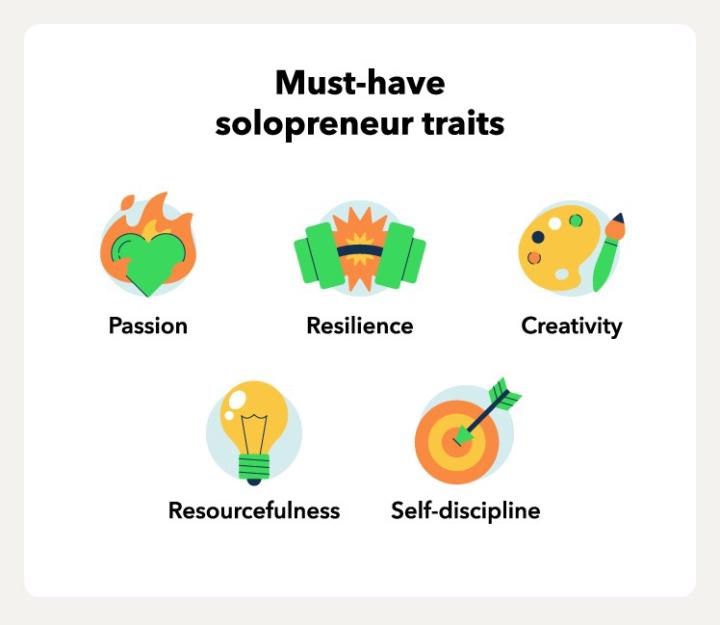
For most of the history of entrepreneurship, the path from idea to revenue-generating business required a predictable set of capital investments: a physical location or manufacturing capability, a team to execute the core functions the business depended on, the technology infrastructure to manage operations and customer relationships, and the working capital to fund the business through the period between its launch and its first profitable month, a period that, in most conventional business models, extended for months and often for years. These capital requirements created a significant barrier to entrepreneurship that filtered out everyone without either personal wealth or access to investors, and they concentrated the benefits of business ownership among a population with the capital to absorb the costs of entry. The convergence of AI tool accessibility, no-code platforms, digital distribution channels, and the remote work infrastructure built during the pandemic has eliminated or dramatically reduced nearly every one of these traditional capital requirements for businesses that are not in industrial or agricultural production. A service business, a knowledge business, a content business, a consulting practice, a coaching program, a digital product business, a software-as-a-service offering, an e-commerce operation, a creative services enterprise, or any of the dozens of other viable business models that do not require physical production can now be launched, operated, and scaled by a single individual with a laptop, a reliable internet connection, a clear value proposition, and access to the AI tools that execute the functions that previously required a team. The startup cost for many of these businesses, including their first month of AI tool subscriptions, can be measured in hundreds of dollars rather than tens of thousands. The time from idea to first revenue can be measured in days or weeks rather than months or years. A solopreneur, in the sense that this edition addresses, is an entrepreneur who has built a genuine business system, one that generates revenue, serves customers at scale, and creates value independently of any single client relationship, and who operates that system with AI tools serving in the roles that team members previously occupied. The distinction between a freelancer and a solopreneur is the distinction between selling your time and building a system that generates revenue while giving you the strategic latitude to decide how you invest your time, a distinction that determines whether your business is scalable and whether it has genuine value beyond your personal hourly capacity.
0
0
9d •
Make Your Offer Clear
Local service providers benefit when their offer is explained in plain language: what you do, who it is for, what it solves, and what happens next. Rewrite your homepage or pinned post so a stranger can understand your core service in under ten seconds. Clarity is not decoration; it is valuable to conversion.
0
0
10d •
Your Company's Reviews Need Structure
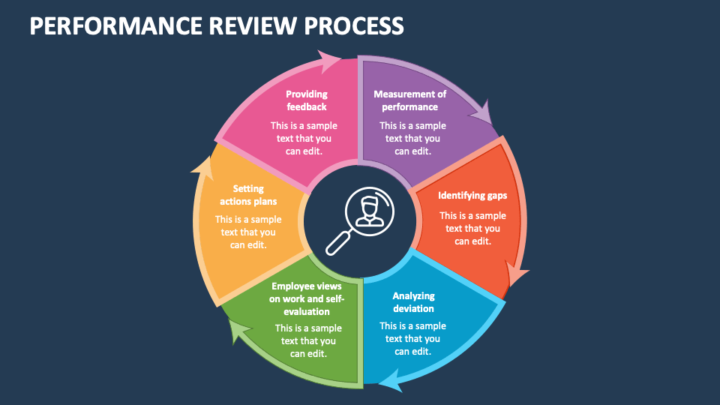
Numerous satisfied customers will leave a review if you ask at the right moment and make the process easy. Create one short message for right after service, one reminder for the next day, and one optional follow-up a week later. Over time, those small messages help to build relationships that encourage new customers to become part of your community. We would appreciate you becoming a membe here.
0
0
11d •
Secure More Local Sales Prospects
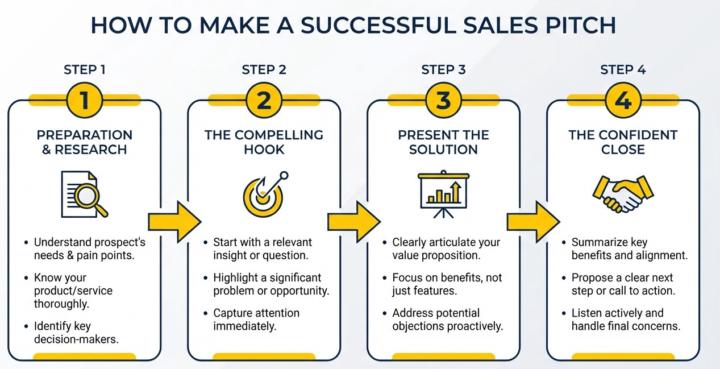
Some local businesses lose prospects not because demand is weak, but because response time is slow, next steps are unclear, or the follow-up feels inconsistent. Start by writing down the top three questions customers ask before they buy, then turn those into a short reply script for phone, text, and DMs. This makes your business easier to trust and easier to choose.
0
0
1-12 of 12
powered by
skool.com/engineered-revenue-systems-8037
Engineered Revenue Systems equips small business owners and solopreneurs with a Forward Deployed Engineering approach to AI-based business integration
Suggested communities
Powered by