
Write something
Jan 13 •
Your Feelings Are the Instructions Your Mind Follows
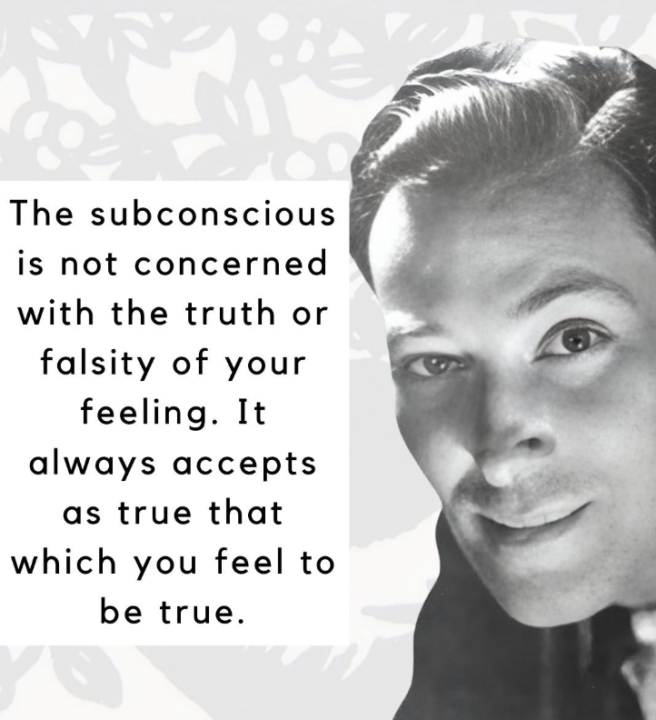
The words in this image point to something quietly powerful about how our inner world works. Your subconscious mind doesn’t debate facts. It doesn’t argue logic. It doesn’t ask, “Is this really true?”It simply listens to what you feel and accepts that as reality. If you feel unworthy, unsafe, or not good enough, the subconscious treats that feeling as truth and begins shaping your perceptions, reactions, and choices around it. Not because it’s accurate—but because it’s familiar. And equally, if you feel hopeful, capable, supported, or calm, it accepts that as truth too. This is why emotional well-being is not about forcing positive thoughts or pretending everything is fine. It’s about gently shifting how you feel—because feelings are the language the subconscious understands. Small emotional adjustments matter: - Choosing self-compassion instead of self-criticism - Pausing to breathe when anxiety rises - Speaking to yourself with kindness - Allowing moments of safety, relief, or gratitude Each of these sends a new message inward: “This is safe now. This is possible. This is who I am becoming.” Over time, the subconscious aligns with those feelings and begins to support them—through habits, beliefs, and even opportunities you start to notice. So today, ask yourself:👉 What am I repeatedly feeling—and therefore teaching my subconscious to accept as true? You don’t need to change everything at once. Just begin by honouring the feelings you want to live from. Because when your inner world shifts, your outer world follows—quietly, steadily, and powerfully. 💛
Jan 12 •
I Am
Why the Words “I Am” Are So Powerful There are two words we use every day, often without thinking, yet they quietly shape our emotional world, our identity, and our future. Those words are “I am.” Whatever follows I am is not just a description — it is a declaration. It is the way we name ourselves to life. “I Am” Is the Language of Identity When you say I am tired, I am broken, I am anxious, or I am not enough, your nervous system listens. Your mind organises itself around that statement. Your emotions begin to align with it. Over time, your behaviour follows. The phrase I am doesn’t describe a temporary state — it defines who you believe yourself to be. That’s why it carries so much weight. Your mind is constantly asking, “Who am I?”And every time you answer with I am…, it accepts that answer as truth. The Mind Does Not Argue — It Accepts The subconscious part of the mind does not filter statements for accuracy or kindness. It does not challenge them. It simply receives and reinforces them. So when you repeatedly say: - I am overwhelmed - I am unlucky - I am always abandoned Your inner world works hard to make that feel real and familiar. Not because it wants to harm you — but because it wants consistency. Emotional Wellbeing Begins With Self-Definition Emotional wellbeing is not about forcing positive thinking or pretending pain doesn’t exist. It’s about recognising that you are not your emotions — you are the awareness choosing how to name yourself within them. You can experience sadness without saying I am sad as a person. You can experience fear without saying I am an anxious person. You can experience loss without saying I am broken. There is a quiet but powerful difference between: - I feel anxious and - I am anxious One describes a passing experience. The other creates an identity. “I Am” Is a Creative Statement When spoken consciously, I am becomes a stabilising force rather than a limiting one. Statements such as:
0
0
Jan 2 •
Great things start small.
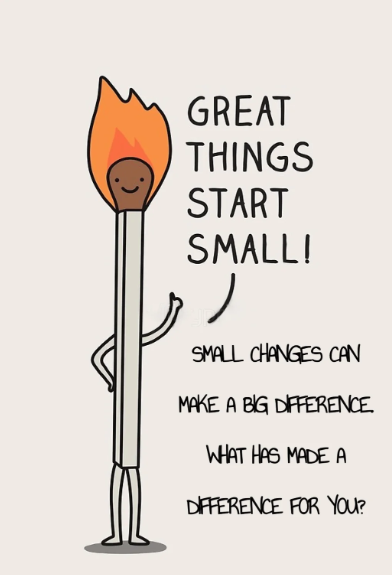
At first glance, this sounds simple—but its wisdom runs deep, especially when it comes to emotional well-being. This image reminds us that transformation rarely begins with grand gestures or overnight breakthroughs. It begins quietly. Gently. Often unnoticed. Like a single matchstick, small changes may seem insignificant, yet they hold the power to create warmth, light, and momentum. In emotional healing, we often tell ourselves we need to fix everything before we can feel better. That belief can keep us stuck. But real, sustainable change doesn’t ask for perfection—it asks for participation. A small shift in how you speak to yourself. A single boundary honoured. Five minutes of breathing instead of spiralling. Choosing rest instead of self-criticism. These are not “too small” to matter. They are exactly how resilience is built. The smiling matchstick in the image is a powerful symbol: growth doesn’t have to be heavy or painful to be meaningful. Small actions, done consistently, change the direction of our inner world—and over time, our outer life follows. If you’re feeling overwhelmed, let this be your permission slip: You don’t need to do everything. You just need to do one small thing—and then another. So today, I’ll leave you with this gentle reflection: What small change has made a difference for you? Or, what could be your next small step? Because great things don’t start loud.They start small—and they start with you. 💛
Jan 1 •
This is your starting point.
Einstein's definition of insanity. We can not see change if we don't make changes. The most significant thing that needs to change is what we think and feel. Thinking produces things; we become what we feel.

1-4 of 4
powered by

skool.com/emotional-wellbeing-service-1635
Move from emotional instability to emotional resilience in 30 days — through simple daily steps, compassionate guidance, and a supportive community.
Suggested communities
Powered by