
Write something
Pinned
Sep '25 •
Introductions. (start Here 🔥)
Welcome to the Emotional Wellbeing Community. This community helps us find our way to emotional harmony and balance. Through your own learning, you will discover your own innate ability to feel better. Step 1: Introduce yourself below! Where are you from 🪐 What helps you to feel better 😀 Share what works 🧰 Step 2: Go through the free courses and share your experience. ........................................................................................................ Best Practices In This Community. . Move forward, share insights and thoughtful comments. (Only what you feel comfortable) . Help others move forward by liking good posts and comments. . Be kind and courteous. (We are all on our own journey) . If you need help, ask the community.

Pinned
Aug '25 •
Welcome to the Emotional Wellbeing Community
Do you ever feel like your emotions run the show — leaving you drained, anxious, or stuck in cycles you don’t want?You’re not alone. In today’s world, emotional overwhelm has become the new normal. We’re juggling work, relationships, loss, stress, and endless responsibilities… all while being told to “just cope.” But coping doesn’t come with a manual — until now. This community was built for people just like you: those who want practical, proven tools to manage emotions, calm the mind, and regain a sense of balance — without judgement or jargon. ✨ What Makes Us Different? This isn’t another “think positive and everything will be fine” space. Here, you’ll find: ✅ Evidenced based emotional coping skills broken down into simple, doable steps✅ A supportive community where it’s safe to share and learn✅ Structured courses that guide you from beginner to advanced emotional mastery✅ Quick wins (like 60-second resets) AND deeper practices for lasting change. Whether you’re managing stress, navigating loss, or just ready to feel more in control of your emotions, this is where you’ll find strategies that actually work in real life. 🌍 Why Join Us? Because emotional wellbeing isn’t a luxury — it’s a foundation for everything you do. When you strengthen your coping skills, you’ll notice: - Less overwhelm in difficult moments - More resilience under pressure - Calmer relationships and conversations - A greater sense of self-trust and confidence And you’ll have a group of people walking the same path alongside you — people who get it. 🚪 Your Next Step Joining this community is like opening a door to a new chapter: - Start with our free starter kit — quick tools you can use right now. - Dive into our introductory Emotional Coping Skills course to build your foundation. - Grow with us into intermediate and advanced practices that create lifelong emotional strength. This is more than a course. It’s a place to reset, rebuild, and rise. 👉 Join today, and take your first step toward emotional freedom. If you know someone who might benefit, share this with them.
1
0
Mar 30 •
Feel Better In 7
After some building and tweaking you can now use the browser based application to Feel Better In 7, here, A structured, evidence-informed emotional recovery programme - designed to help you feel calmer, clearer and back in control https://feelbetterin7.com
0
0
Feb 15 •
A Comprehensive Guide to Maintaining Mental Health
Mental health is an integral component of overall health and well-being. It influences our thoughts, feelings, and behaviours, impacting how we handle stress, relate to others, and make choices. This guide provides a holistic overview of mental health, common challenges, and evidence-based strategies to cultivate and maintain it, with a specific focus on support and resources available in the United Kingdom
0
0
Dec '25 •
Sometimes
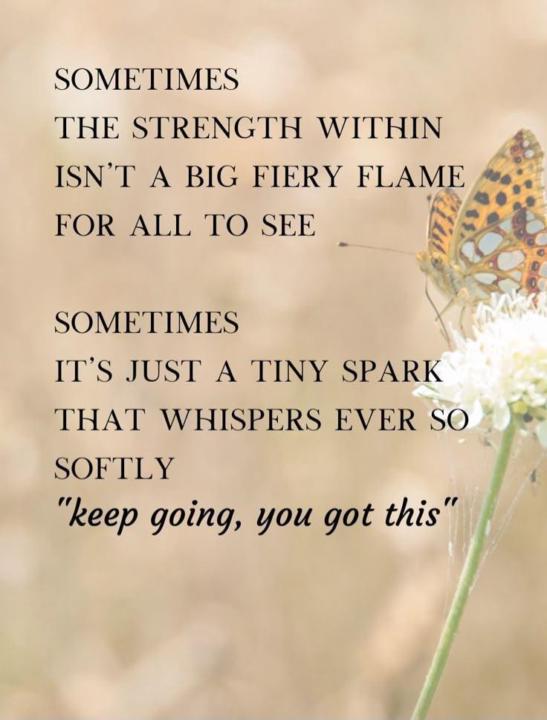
Sometimes we believe strength has to look dramatic. ⦿ Like confidence without doubt. ⦿ Like resilience without tears. ⦿ Like bold action that everyone can see. But the message in this image reminds us of something far more truthful — and far more compassionate. Real strength is often quiet. It’s not always a roaring fire or a powerful comeback story. Sometimes it’s a tiny spark that barely makes a sound. A whisper inside that says, “Keep going.” Not because everything feels okay — but because you chose not to stop. That quiet spark shows up when: ⦿ You get out of bed even though your heart feels heavy ⦿ You set one small boundary instead of fixing everything ⦿ You breathe through the wave instead of being pulled under it ⦿ You keep showing up for your healing, one imperfect step at a time This kind of strength doesn’t seek applause. It doesn’t announce itself. But it is profoundly brave. In emotional well-being, progress is rarely loud. Healing often looks like: ⦿ Choosing gentleness over self-criticism ⦿ Pausing instead of pushing ⦿ Resting instead of proving ⦿ Continuing even when motivation is gone If today all you can manage is listening to that soft inner whisper — that is enough. That whisper is resilience. That spark is hope. And hope doesn’t need to be big to be powerful. So if you’re waiting to feel “strong enough” before moving forward, let this be your reminder: You already are. Not because you feel fearless — but because you’re still here, still trying, still choosing not to give up. And sometimes… that is the strongest thing of all. 💛
1-30 of 78
powered by

skool.com/emotional-wellbeing-service-1635
Move from emotional instability to emotional resilience in 30 days — through simple daily steps, compassionate guidance, and a supportive community.
Suggested communities
Powered by