
Pinned

👑
⭐
4d •
Welcome to Clief Notes. Here's where to start.
1. Go check out 📚Navigating The Course to see how to get around and what's here. 2. Start with The Foundation. Concepts, folder architecture, prompting framework. Everything else builds on this. 3. Check in at the bottom of each lesson. Polls, discussion posts, other members working through the same stuff. Use them. 4. When you're ready to build real things join in on our Biweekly competitions and win some real cash. ⭐ Competitions Mega Thread 5. If you are wanting to dive into the masterminds, grab all the past templates, artifacts and resources. Upgrade and head into the The Vault for Premium and The Drawing Room (VIP) for VIP 6. Post your work. Ask questions. Help others when you can. What are you here to build?
Pinned
👑
⭐
13h •
📣 New: one onboarding session, every week
I want to meet new members earlier, not months after you join. Right now a lot of people join the paid tiers and figure things out on their own. That's slower for you and it means I don't get to know you until you've already won a competition or posted in the Vault a few times. Further our Afternoon and High Tea calls 🫖 High Tea 9: The Graph the first bit of each call has been ALOT of intros and I think that eats away valuable time (not that getting to know you is not valuable) that members who have been around for a while look forward to during our live sessions. So starting this week, every new VIP and Premium member gets a standing invite to a short session with me and the mods. Calendar · Clief Notes 🕑 Wednesdays, 2pm 🎯 Open to new VIP and Premium members We'll cover: 🔑 Getting into Discord 🧭 Finding your way around 🤝 Getting the most out of other members 🏆 How to win the competitions ❓ Quick questions at the end (and feedback on what you really want out of value and such, helps me decicde if I need to add or change anything in the community) 30 minutes. One goal: you walk out knowing the community and I know your name.
Pinned

5d •
🎆 GOOD NEWS: THE SALE STAYS OPEN. HAPPY 4TH 🎆
We're holding the last sale through the holiday weekend so nobody misses it. 🎉 Premium: $27 → $14/mo 🎉 VIP: $97 → $67/mo This is the cheapest it will ever be. Once it closes, the price is gone for good. ⏰ New deadline: July 5th, 10:00 AM EST. This is the last extension. If you've been on the fence, sign up now. You lock this rate in and keep it every month going forward. 🖥️ ONE MORE REASON TO JOIN The week of July 5th we're dropping the software we've been building for this community. It goes out for beta testing first, and only Premium and VIP members get access. Sign up before the sale closes and you're in from day one.

4d •
Perfection is my enemy
One thing I’m learning in AI is that you can create something genuinely useful even if it isn't polished or fully vetted. Honestly, I'm creating things I don't even fully understand. ha ha We see other folks showing off their latest success and eyes-wide-open stare at the screen thinking "Sheesh. They are so impossibly smart." Maybe I'm the only one doing that. But there are a few things to understand. First, not everything we think is “perfect” is actually perfect. Sometimes it is just the best version we can see from where we are standing. Second, we don't all have the same background, so what I think is a "Win" is a win for me. It might not be a win for you. What I struggle with sometimes is wanting my work to be as perfect as I can make it BEFORE I share it with anyone. That's why I didn't enter any competitions until Comp 7. I really didn't want to be embarrassed. But, I entered anyway thinking I'll just do my best and learn from the process of building. I'm SO GLAD I DID. A few things I learned: -Your first version can be messy. -Your folder structure can change. -Your workflow can have gaps. -Your system can grow. That does not mean it failed. It means it is becoming something. I think sometimes we wait to build until we can make the “perfect” version, but the perfect version usually comes after the rough one teaches us what we actually need. AI gives us so many new ways to create, test, and improve. I don’t want to miss that because I’m overthinking every piece before I begin. So here’s my little reminder, mostly to myself, but perhaps also to you: Make the thing. Let it be imperfect. Pay attention to what it teaches you. Then make it better. I appreciate each one of you and the way you encourage me and one another.

1d •
Built my first website through opencode.
Here is the the github url: https://newmeharemail-ux.github.io/ecogreen/ Actually I wanted to build a solar company website to drive conversions from visitors to quotes. The site is there but it need improvements. My plan is to add pictures first and them change some colors and make the site more dynamic and full of life. The local hosted version is showing pics but the deployed site is not. Also will love any feedback from you all.
1-30 of 2,279
skool.com/cliefnotes
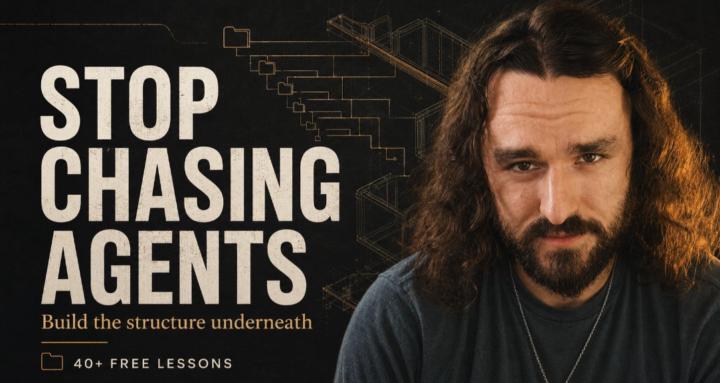
What we give away free beats most paid courses. Build durable AI systems with a Marine vet and Edinburgh researcher. 40+ lessons, growing.
Leaderboard (30-day)
1

🔥
+1734
2

🔥
+1628
3

+1460
4

+903
5

+597
Powered by