20h • General discussion
Is the FDA About to Restore Access to 14 Peptides? Here’s What Joe Rogan and RFK Jr. Discussed
Recently on The Joe Rogan Experience (Episode #2461), Robert F. Kennedy Jr., now U.S. Department of Health and Human Services (HHS) Secretary, discussed a controversial regulatory issue: the FDA’s treatment of certain therapeutic peptides and plans to reclassify many of them back into a legal prescribing framework.
This has sparked widespread attention across biohacking communities, longevity forums, and health-enthusiast networks — not least because of comments on podcasts, social platforms, and trending conversations about peptide availability in 2026.
What Was Discussed on The Joe Rogan Experience?
On the podcast, RFK Jr. talked about how the Food and Drug Administration (FDA) previously placed about 19 popular peptides into “Category 2”, meaning they were no longer eligible for pharmacy compounding under sections 503A/503B of the Federal Food, Drug, and Cosmetic Act — essentially restricting how doctors and compounding pharmacies could legally make and dispense them.
RFK Jr. argued that this shift was based on regulatory overreach — because the FDA *moved them based on perceived efficacy rather than an actual safety signal. He said that about 14 of those peptides would be moved out of Category 2 and back into a more accessible regulatory category, restoring legal pathways for prescribing.
Rogan underscored the problem: much of the market for these compounds moved into a gray or unregulated space, where peptides are sold as “research chemicals” — without quality control, sterility testing, or medical oversight.
“That’s ultimately the problem with all this black market stuff… a lot of people are getting bogus peptides and they don’t have any idea how they work, if they work.” — Joe Rogan (summarized).
What These Peptides Are and Why They Matter?
The 19 peptides referenced on the FDA’s Category 2 list include many compounds widely discussed in regenerative medicine, anti-aging research, and performance recovery. While not FDA-approved drugs, they have generated interest for possible health applications.
Peptides potentially affected during this reclassification (based on sources):
- BPC-157
- Cathelicidin LL-37
- Emideltide (DSIP)
- Epitalon / Epithalon
- GHK-Cu (injectable)
- GHRP-2 & GHRP-6
- Ipamorelin acetate
- Kisspeptin-10
- KPV
- Melanotan II
- PEG-MGF
- MOTS-C
- Semax
- Thymosin beta-4 fragment
- AOD-9604
- CJC-1295
- Selank acetate (TP-7)
- Thymosin-alpha-1 (Ta1)
(Note: this list reflects reported peptides on the Category 2 list — official FDA documentation should be consulted for confirmed status.)
Why This Is Significant?
Restored legal access
If RFK Jr.’s comments translate into regulatory action, legal prescribing options for these compounds could return to U.S. licensed pharmacies — meaning physicians could prescribe them and compounding pharmacies could make them under regulated conditions.
Potential safety gains
That would move peptide therapies away from the unregulated marketplace — where quality control, sterility, and dosing are inconsistent — toward safer, medically supervised use.
A step toward legitimizing peptide science
Some peptides are already being studied in clinical trials; many have shown promising biological effects in preclinical research. Bringing them into the regulated system could accelerate research and clinical understanding.
A Closer Look at Key Peptides Mentioned
Here’s a breakdown of some compounds gaining interest:
BPC-157 — Studied for tissue healing, gut health, and repair mechanisms.Epitalon — Discussed in longevity circles for potential telomere effects.
GH-related Peptides (GHRP-2, Ipamorelin, CJC-1295) — Linked to growth hormone stimulation.
Semax & Selank — Investigated for neurocognitive, stress-modulating effects.
Thymosin fragments — Explored for immune and regenerative roles.
(Remember: most of these are not FDA-approved drugs and are used in research or experimental contexts.)
Why This Could Be Great for Peptide Science
If regulatory shifts occur as described:
- Doctors could prescribe peptide therapies more reliably.
- Compounding pharmacies could resume quality-controlled formulations.
- Patients and researchers could avoid unregulated sources.
- The industry could push toward stronger clinical evidence and safety standards.
Navigating Peptide Purchases Responsibly
Even with regulatory changes pending, it’s crucial to approach peptides with caution:
- Always consult a licensed healthcare provider before considering peptide use.
- Ensure prescriptions are filled by legitimate compounding pharmacies, not gray-market sellers.
- Look for batch testing and certificates of analysis if dealing with research compounds.
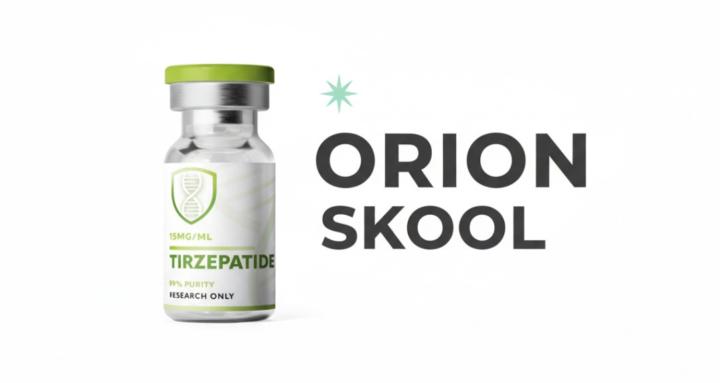
About Orion Peptides
For individuals researching peptide sourcing, transparency and quality standards are essential.
Orion Peptides positions itself as a research peptide supplier focused on:
- Third-party testing
- Batch verification
- Transparent documentation
- Clear product labeling
For first-time customers, Orion currently offers:
Code: Welcome15 for 15% off your first purchase
As with all peptides, buyers should ensure they understand regulatory status and intended research use. Always consult a qualified medical professional before considering any therapeutic application.
Please Note
This article is based on public comments and preliminary reporting from RFK Jr.’s podcast appearance. It does not constitute legal or medical advice, and no regulatory change is yet officially in effect.
Drop your questions below 👇 — happy to discuss this with the community!
1
0 comments
Is the FDA About to Restore Access to 14 Peptides? Here’s What Joe Rogan and RFK Jr. Discussed