
Mar 18 • General discussion
How to Tell If a Peptide Supplier Is Legit in 2026 (After the Peptide Sciences Shutdown)
Over the past couple weeks my inbox has been flooded with the same question:
“How do I know if a peptide supplier is legit?”
And honestly, it’s a fair question.
The shutdown of Peptide Sciences caught a lot of people off guard. For years they were one of the most well-known research peptide suppliers online, so when their site suddenly went offline it sent the entire research community into a bit of a scramble.
Since then I’ve seen the same pattern everywhere — Reddit, forums, DMs, and email:
Researchers trying to figure out who they can actually trust now.
So instead of recommending random vendors, I thought it would be more helpful to explain how researchers should evaluate peptide suppliers in 2026.
Because the truth is, there are clear signals that separate legitimate suppliers from risky ones.
1. Third-Party Lab Testing
The first thing serious researchers look for is independent testing.
Any legitimate peptide supplier should provide Certificates of Analysis (COAs) showing things like:
• Purity testing (usually HPLC) • Mass confirmation (Mass Spectrometry) • Batch numbers tied to production runs
The key point here is third-party verification.
If testing is only internal or unclear, that’s usually a red flag.
High-quality peptides are critical for research reproducibility, so transparency around testing is non-negotiable.
2. Clear “Research Use Only” Positioning
Another big signal is how a company positions its products.
Legitimate suppliers will clearly label their peptides as research materials and avoid making medical or human-use claims.
When vendors blur this line, they often end up attracting unwanted regulatory attention — which is one of the major reasons vendors in this space disappear.
3. Transparent Communication
One thing I’ve noticed since the Peptide Sciences shutdown is that transparency matters more than ever.
Researchers want to know:
• Who runs the company • How products are tested • What the supply chain looks like • How customer issues are handled
The vendors that build trust are the ones who are open about their processes and willing to answer questions.
4. Consistent Shipping & Packaging
This might sound small, but it’s actually a big indicator.
Reliable suppliers usually have:
• Professional packaging
• Clear labeling
• Fast order fulfillment
When researchers receive products that are properly packaged and labeled, it signals that the vendor is operating with consistent standards and systems.
5. Community Feedback
The peptide research community is surprisingly tight-knit.
Researchers often share experiences across:
• Reddit communities
• biohacking forums
• private research groups
When evaluating a supplier, it’s worth checking whether other researchers have documented their experiences, especially things like shipping reliability and product consistency.
A Real Example: Orion Peptides
One newer supplier that has been getting mentioned more frequently recently is Orion Peptides.
I want to be fully transparent here — I have been working with them, which I’ve mentioned publicly before.
The reason they come up in conversations right now is mainly because many researchers started looking for alternatives after the Peptide Sciences shutdown, and Orion is one of the newer platforms that appeared during that transition.
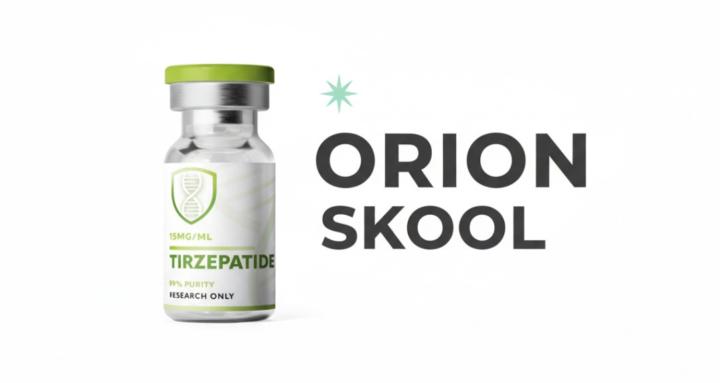
To help give people an idea of what the experience looks like, one of our customers recently filmed an unboxing video of their order. In the video they walk through the packaging, labeling, and what actually arrives when the order is delivered.
The goal isn’t to “promote” anything — it’s simply to give potential researchers a transparent look at what they can expect when evaluating a new supplier.
Like any newer vendor, the same rules still apply:
Researchers should still evaluate things like testing, documentation, and community feedback before deciding whether they are comfortable sourcing from them.
That due diligence process is important no matter which vendor you choose.
If you decide to give Orion a try use code Welcome15 for 15% off.
Final Thoughts
The reality is that the peptide industry is going through a bit of a transition.
Regulatory pressure, payment processor restrictions, and increased scrutiny mean the market is changing quickly.
But the underlying science hasn’t slowed down.
Researchers are still studying compounds like:
• BPC-157
• TB-500
• GHK-Cu
• CJC-1295
• and many others
The key moving forward is simply being more careful about where research materials come from.
When evaluating suppliers in 2026, focus on the fundamentals:
✔ Third-party testing
✔ Transparency
✔ Research-only positioning
✔ Reliable fulfillment
✔ Community feedback
If a vendor checks those boxes, researchers can at least feel more confident that they’re dealing with a serious operation rather than a fly-by-night supplier.
2:23
0
0 comments
How to Tell If a Peptide Supplier Is Legit in 2026 (After the Peptide Sciences Shutdown)
powered by
skool.com/biohacking-and-longevity-group-3757
All-in-one peptide education community. 🧪
Dosing guides, storage protocols, stacking frameworks, vendor intel, GLP-1 research, and expert support.🧬
Suggested communities
Powered by