Activity
Mon
Wed
Fri
Sun
Jan
Feb
Mar
Apr
May
Jun
Jul
Aug
Sep
Oct
Nov
Dec
What is this?
Less
More
Memberships
NP
Natural Pet Wellness Community
20 members • Free
1 contribution to Natural Pet Wellness Community

24d •
🐾 Understanding Your Dog’s Anal Glands
A simple guide for pet parents inside our Natural Pet Wellness community Most dogs go their whole life without you ever needing to think about these little guys… but when issues pop up, you’ll know. Anal glands are two tiny scent sacs located on either side of your dog’s anus. They normally empty naturally when your dog poops — kind of like their “signature scent” to communicate with other dogs. But sometimes they don’t empty properly, and that’s when discomfort starts. 👉 Signs Your Dog Might Have Anal Gland Issues Your dog may need some help if you notice: - Scooting or dragging their rear - Licking or chewing under the tail - A sudden “fishy” odor - Straining to poop - Swelling or redness near the anus - Acting uncomfortable sitting down Blocked glands can lead to infections or abscesses, so early signs matter. 👉 Why Anal Glands Get Blocked A few common reasons: - Soft stools (they don’t create enough pressure to empty the glands) - Food intolerances or inflammation - Allergies - Obesity - Chronic GI issues - Lack of fiber or poor diet This is why diet plays a HUGE role. Dogs with healthy, firm stools tend to have fewer gland problems. 👉 Natural Support Options Inside our community we focus on root-cause solutions, not just quick fixes. Here are gentle supports that can help: 🥕 1. Improve Stool Quality Better diet = better gland function. Think: gently cooked, raw, freeze-dried, or at least higher-quality kibble with fewer carbs and fillers. 🌿 2. Add Natural Fiber 🧴 3. Soothing Topical Support (for discomfort) Diluted essential oils can help calm irritation: - 🧠 4. Address the Root Issue Allergies and gut imbalance are two huge underlying causes. Supporting the gut often reduces recurring gland problems. Warm Compress Protocol Use only Certified Pure Tested Grade oils (doTERRA). This blend helps: ✨ Calm irritation ✨ Support tissue recovery ✨ Ease discomfort ✨ Reduce inflammation 👉 When to See the Vet - If there’s swelling - If the area looks red or painful - If there is bleeding or pus - If your dog frequently needs manual expressionThese are signs of infection or abscess, and your pup needs medical care.
0 likes • 15d
This has definitely been a struggle for Stella but the healthier she has gotten the better they have gotten great info. Ty
1-1 of 1
@tiffani-blasi-4311
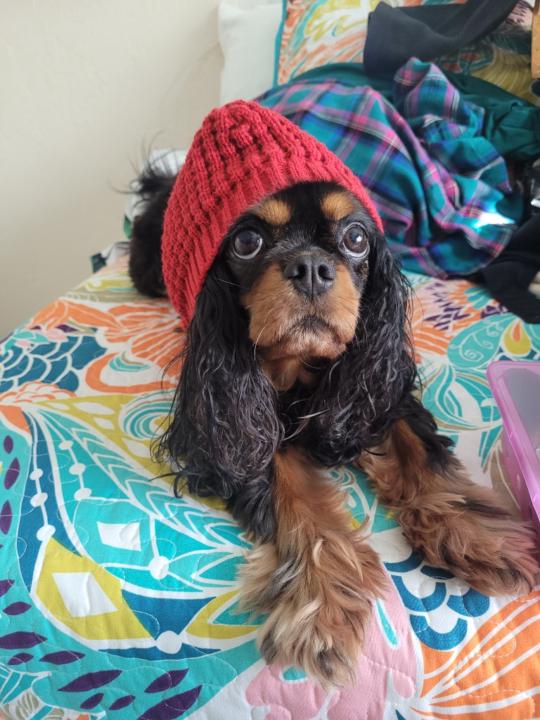
Hi I'm Tiffani and this is Stella, we love natural wellness for dogs and especially essential oils.
Active 15d ago
Joined Dec 8, 2025