Activity
Mon
Wed
Fri
Sun
May
Jun
Jul
Aug
Sep
Oct
Nov
Dec
Jan
Feb
Mar
Apr
What is this?
Less
More
Owned by Tara
Reprogram your mind. Reclaim your identity. Build your dynasty. Where sovereignty meets generational wealth.
Memberships
⚜️The Financial Way ⚜️
60 members • $88/m
The Subconscious Estate ™️
61 members • $188/m
Syncretism Academy
148 members • $9/m
Wholeness Astrology University
99 members • $15/month
Streetwise Spirituality
1.4k members • Free
Roast & Promote 🔥📢
148 members • Free
the skool CLASSIFIEDS
1.7k members • Free
Skoolers
195.1k members • Free
CULT CREATORS
158 members • Free
140 contributions to The Subconscious Estate ™️

Mar 18 •
🔥🔥🔥Building Ai Influencer Thursday 7pm est
Road To Pumps Time to fund those trust 💪🏿💪🏿💪🏿 MinisterBeeBetta is inviting you to a scheduled Zoom meeting. Topic: Road To Pumps Time: Mar 19, 2026 02:00 PM Eastern Time (US and Canada) Join Zoom Meeting https://us02web.zoom.us/j/4217728770?omn=89033876869 Meeting ID: 421 772 8770 --- One tap mobile +13017158592,,4217728770# US (Washington DC) +13052241968,,4217728770# US Join instructions https://us02web.zoom.us/meetings/89033876869/invitations?signature=tIgRxardNJKLgzSFYf770ZEjhXCr8q6luCdcjj6k3BU


0 likes • 9h
@Norwood MinisterBeeBetta Williams Jr. Following and supporting!!
0 likes • 9h
@Tommy Williams following and supporting!! good stuff keep going! i really laughed out loud with this one!

5d •
You are not superman/woman....
Here is a reminder for those like myself who needed it... Yesterday I was talking to Ryisha; she asked me how I was doing, and I went right into a rant of all the things on my plate, and immediately she went to solving the problem and gave me a solution and said, "Remember what Minister Beebetta said...do one thing at a time," and then she gave examples of how she does it, which is to write down what you need to do and what has to be done to check it off the list. It's not like we don't know this, but at times, stuff seems to keep stacking up; it helps to know we are not alone on this journey, and we all hold each other up. In that moment, Ryisha did not let me fall; instead, she gently helped to redirect me, and she was right. I made my list of tackles, then went a step further and hired someone for a few hours to shred papers and file things by date. I went to bed feeling accomplished. That's family for you... Thank you, Ryisha & Minister BeeBetta!💜💜💜
2 likes • 9h
Love a good reminder. You became aware and took action! Love the community!
5d •
The Investing Possibility Estate Skool
There are moments in your journey where someone shows you a door you didn't know existed, and then hands you the key. That is what Minister BeeBetta has been in my life. 🗝️ I am deeply, genuinely, profoundly grateful to be part of this community. The trust and estate knowledge shared here opened a path I could not have imagined walking just a short time ago. It showed me that sovereignty is not a theory -it is a structure. It is something you build, layer by layer, with intention and wisdom. Minister helped me bridge together what I had been learning -astrotheology, scripture, etymology, nervous system science and showed me how it all connects to how we protect our legacy, our children, and our generational wealth. I did not think this level of integration was possible. He showed me it was. From that foundation, Investing Possibility Estate was born. My Skool community is now open, and I want this community to know first: ✦ Start Here -the estate orientation ✦ The Awakening -where the foundation is laid (FREE) Trust. Estate. Mind. Body. Soul. Legacy. This is the work. And it is finally all in one place. I am so excited for you to come inside, explore, ask every question, take the action, and truly integrate what you have been learning. You did not come this far in your knowledge to stop here. The estate is open. Come build with me. 🖤👑 https://www.skool.com/investing-possibility-estate-5151/about?ref=4093631e9b864ab199ad88efa904ed7f

0 likes • 3d
@David Melendez thank you and love watching you on journey as well!!
0 likes • 18h
@Minister Teresa Tru-Arms your the best. THANK YOU!! I couldn't do it with community. So thank you for joining and being apart of this amazing journey.
Mar 9 •
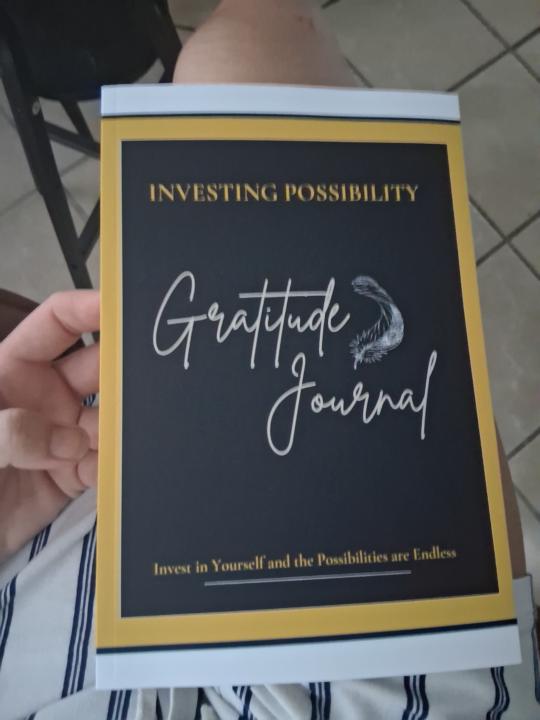
Launched Investing Possibility Gratitude Journal
Just launched journal for sale! Wow what a mission and journey to say the least! It all started with a thought and here we are launching our products to help transform those who want to invest in possibilities! We have the best community around i love the love and support from everyone! This is just the beginning and cant wait to show yall what we have in store for future! Stay tuned. Linktr.ee/investingpossibility Want to Thank my mentor MinisterBeeBetta for being who he is for me on this journey! Thank you to family and friends I meet on this journey and all the partnerships we've created and will create!
2 likes • 9d
@Minister Teresa Tru-Arms your the best. Thank you for love and support. Take a pic/video of you writing in journal we will have something special coming up soon! Come join skool too. Ill make a post in here!
0 likes • 6d
@Minister Teresa Tru-Arms 11:11 aligned in time!! Thank you for joining and purchasing your transformational journal. I cant wait til you receive it and start writing! It has truly transformed my life and Im so honored to create this for myself and others!! See ya in Skool!!

2 likes • Mar 15
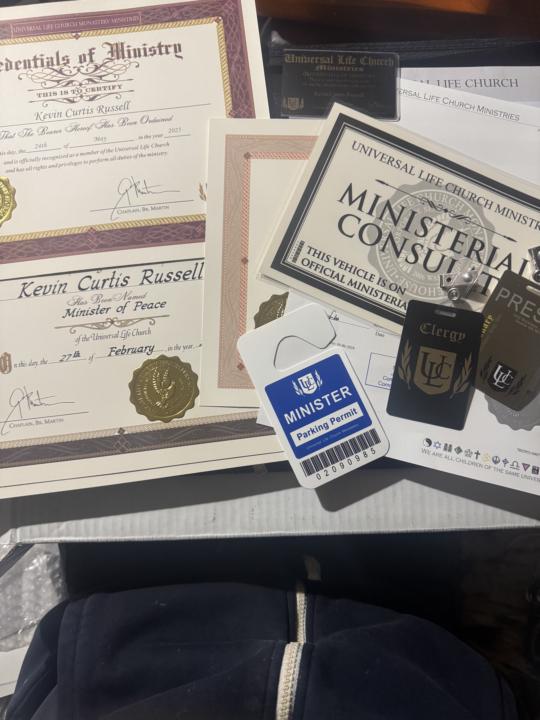
Peace Minister of Peace!! Standing on business!! Proud of you and love watching your journey because you inspire! ❤️💖🔥✨️
1-10 of 140

@tara-z-7689
Student of Divine Being Being Divine, Marina Jacobi, Santos Bonnaci, MinisterBeeBetta and the Universe/Source/God Law!
Active 4h ago
Joined Jul 29, 2025
Fort Lauderdale Florida
Powered by