Activity
Mon
Wed
Fri
Sun
Aug
Sep
Oct
Nov
Dec
Jan
Feb
Mar
Apr
May
Jun
What is this?
Less
More
Memberships
Mind and Body Solutions
328 members • Free
5 contributions to Mind and Body Solutions

May 26 •
Mammography: friend or foe?
Below are a few problems with mammography: I. Detection Is Not Prevention When the USPSTF issues an “A” or “B” grade for mammography, it is grading a screening procedure — the capacity to detect abnormal cells in breast tissue before they produce symptoms. What it is emphatically not grading is any intervention that reduces the biological conditions in which breast cancer arises. This is the foundational category error of modern oncological prevention: it conflates early detection with prevention, and treats the two as equivalent. They are not equivalent. A mammogram cannot reduce systemic inflammation. It cannot reverse intestinal hyperpermeability — the “leaky gut” phenomenon through which microbial products translocate into systemic circulation and drive the chronic immune dysregulation that provides fertile terrain for cancer proliferation. It cannot alter the epigenetic expression of tumor-suppressor genes. It cannot change the microRNA profile of a woman’s cells, which determines whether oncogenic pathways are silenced or amplified. What a mammogram can do is find something — and in finding it, set in motion a cascade of interventions whose benefits, when examined rigorously, are far more modest than their cultural mythology suggests. II. The Overdiagnosis Problem Overdiagnosis in breast cancer screening refers to a specific, clinically documented phenomenon: the detection by mammography of a cancer — a real cluster of abnormal cells — that would never, in the lifetime of that woman, have caused symptoms, spread, or killed her. Her body’s immune surveillance was managing it. Her epigenetic terrain contained it. Once detected, however, it becomes a diagnosis. A breast cancer diagnosis. And the institutional logic of oncology treats that diagnosis with the full arsenal: biopsy, surgery, radiation, and often years of hormone suppression therapy. 1.3 million women! This is thee stimated number of American women overdiagnosed by mammography screening over a 30-year period — treated for cancers that would never have caused symptoms or death — according to a landmark 2012 analysis in the New England Journal of Medicine.

1 like • 18d
What about ultrasound for early detection?
19d •
5 things to try before a GLP-1
1. High-protein animal foods Your body craves nutrients, not just calories. Protein from real sources like beef, eggs, lamb, fish, and dairy keeps you genuinely full, stabilizes blood sugar, and kills cravings at the root. Ever tried to overeat ribeye? It's basically impossible. And that's partly because of those endogenous GLP-1 pathways firing exactly like they're supposed to. 2. Cut the ultra-processed stuff These foods are literally engineered to override your satiety signals. Bliss point formulation, hyper-palatable flavor combos designed so you can't stop eating. Remove them and suddenly your body remembers how to say "I'm done." Wild concept. 3. Time-restricted eating Constant grazing keeps insulin elevated and fat-burning locked out. Eating within an 8-10 hour window gives your body time to actually access stored energy. No late-night snacking. Let your biology do what it already knows how to do. 4. Strength training + daily movement Muscle is your metabolic advantage. More muscle means better insulin sensitivity, better nutrient partitioning, better everything. Lift something heavy a few times a week. Walk every day. Your body composition shifts when you give it a reason to. 5. Quality sleep + morning sunlight Poor sleep jacks up hunger hormones, increases cravings, and promotes fat storage. Your entire hormonal cascade depends on your circadian rhythm. Morning sun sets it. 7-9 hours of sleep protects it. Treat this like the foundation it is. Your body already knows how to regulate weight. It's been doing it for hundreds of thousands of years without pharmaceuticals. You just have to give it the right environment: real food, movement, rest, sunlight. And get the processed interference out of the way. The GLP-1 pathway isn't some pharmaceutical discovery. It's ancient biology. The drugs just mimic what your body does when you feed it properly. So whether you're on a GLP-1, thinking about one, or just trying to lose weight the old-fashioned way...
1 like • 18d
I would like to try the natural ones!
1 like • 18d
@Dr. Serge Gregoire thank you!
18d •
Why a banana may sabotage the antioxidants in your smoothie
Bananas are one of the most common smoothie ingredients, which makes this finding worth knowing. In a controlled crossover study in Food & Function, researchers had people drink a banana-based smoothie or a mixed-berry smoothie, each containing the same dose of flavan-3-ols, the beneficial flavanols found in cocoa, berries, tea, and apples. After the banana smoothie, blood levels of those flavanol compounds were about 84 percent lower than after the low-PPO berry smoothie or a capsule. The culprit is polyphenol oxidase (PPO), an enzyme abundant in bananas that oxidizes flavanols within minutes of blending, the same reaction that turns a cut banana brown. The enzyme stayed active even under simulated stomach conditions, so the loss was not prevented by keeping the ingredients separate until drinking. This is a fascinating and practical finding, given how many people build smoothies around bananas. It is a reminder that plant foods sometimes contain compounds that block the absorption of nutrients, much like the oxalates in spinach that bind calcium. If you want the flavanol benefits of cocoa, berries, or green tea in a smoothie, pair them with low-PPO fruits like the mixed berries used here, and save the banana for another time.
1 like • 18d
Oh wow! Noted!
Mar 12 •
Collagen: the magic protein!
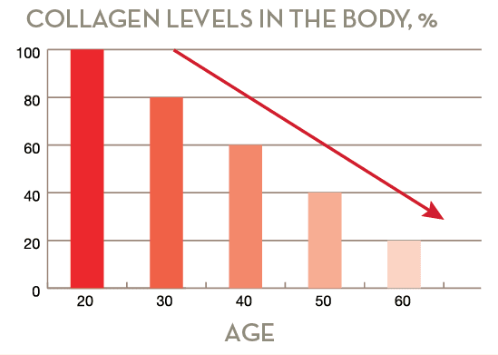
Most people think collagen is just a beauty supplement. Something you take for better skin or thicker hair. Which is true… but it’s also missing the bigger picture. Collagen is basically the most abundant protein in the human body. It’s the structural material that holds everything together... your skin, your joints, your blood vessels, your gut lining. It’s especially rich in amino acids like glycine, proline, and hydroxyproline, which are nutrients your body uses for tissue repair, inflammation control, detox support, and nervous system balance. However, collagen levels start declining after 20 years old. This is a big reason why you wrinkle, start to have gut issues, and joint pain. So when you start adding collagen back into your diet, the benefits tend to show up everywhere. Here’s what people often notice: 1. Healthier skin Collagen supports the structure and elasticity of the skin. When your body has enough of it, skin tends to stay more hydrated and resilient, which can lead to that healthy glow. 2. Longer, thicker hair Hair is built from proteins, and the amino acids in collagen help supply the raw material for stronger follicles. Many people notice their hair growing faster and feeling thicker over time. 3. Gut healing Collagen supports the lining of the digestive tract. That can help improve digestion and reduce irritation in the gut over time. 4. Liver detox support Glycine is heavily used in the liver’s detox pathways. Having enough of it helps the body process toxins and metabolic waste more efficiently. 5. Boosts glutathione Glutathione is one of the body’s most important antioxidants. The amino acids in collagen help your body produce more of it. 6. Deeper sleep Collagen contains high amounts of glycine, which helps calm the nervous system. This can promote deeper, more restorative sleep. 7. Lower inflammation Collagen supports tissue repair and helps regulate inflammatory responses. This can help the body recover more efficiently from stress or injury.
1 like • May 7
What collagen supplement do you recommend?
Feb 23 •
Concern continues to grow over how EMFs are impacting our bodies
At the end of last month, the FDA updated its website and removed outdated EMF studies. The move comes as a large, new study is launched to address the consequences of the widespread use of cellphones, tablets, wearables (such as smart watches and bluetooth earbuds), and the launch of 5G… According to HHS Secretary Robert F. Kennedy Jr.: “electromagnetic radiation is a major health concern” that he is “very concerned about”. Open the Wi-Fi settings on your phone or tablet and you’ll see why. If you live in a house, you’ll see multiple Wi-Fi routers nearby. If you live in an apartment complex, you’ll likely see dozens of routers. Wi-Fi signals operate at 2.4 GHz and 5 GHz, frequencies which penetrate walls, furniture, and human bodies. Studies show that prolonged exposure to EMF radiation from Wi-Fi routers can cause oxidative stress (a root cause of joint pain, wrinkles, and other signs of accelerated aging), sleep problems, headaches, and fatigue. Concern continues to grow over how EMFs are impacting our bodies: #1: In October, the World Health Organization issued a new warning that EMF exposure worsens sleep quality and duration. #2: Just 30 minutes of cellphone usage has been linked to impaired memory and learning. #3: EMF exposure can trigger oxidative stress and alter antioxidant markers in tissues, causing stress and damage to cells. #4: Studies show 5 minutes of EMF exposure is all it takes to alter Heart Rate Variability, a key marker of stress resilience and cardiac regulation. #5: Doctors warn men trying to start a family not to keep cellphones in their pocket since EMF exposure can damage sperm. We have a variety of options at the office to protect your body and your health from EMFs and smart meters, which are most probably the worse!
2 likes • Feb 23
Wow. This is so concerning. Where is the optimal place to put a router in your home?
2 likes • Feb 23
Thanks so much! I'm interested in any other studies and ways to protect ourselves and families that you may come across on this topic. I feel it will only grow worse as new tech continues to thrive.
1-5 of 5

Active 5h ago
Joined Feb 5, 2026
Powered by