Activity
Mon
Wed
Fri
Sun
Nov
Dec
Jan
Feb
Mar
Apr
May
Jun
Jul
Aug
Sep
Oct
What is this?
Less
More
DIY Gardening Academy
22
5.0
$27/m
DIY Gardening
1.2k
Free
Catherine's Sewing Room
1.4k
5.0
Free
Seasons of Crafting Circle
1.1k
5.0
Free
80 contributions to DIY Gardening
🔥
Sep 4 •
Are USDA Hardiness Zones Useless?
How many of you have seen planting calendars for USDA Hardiness Zones that tell you when to plant? Like, "𝘡𝘰𝘯𝘦 8 𝘨𝘢𝘳𝘥𝘦𝘯𝘦𝘳𝘴: 𝘱𝘭𝘢𝘯𝘵 𝘵𝘩𝘦𝘴𝘦 𝘤𝘳𝘰𝘱𝘴 𝘪𝘯 𝘚𝘦𝘱𝘵𝘦𝘮𝘣𝘦𝘳!" Or, "𝘏𝘦𝘳𝘦'𝘴 𝘸𝘩𝘢𝘵 𝘵𝘰 𝘱𝘭𝘢𝘯𝘵 𝘳𝘪𝘨𝘩𝘵 𝘯𝘰𝘸 𝘪𝘧 𝘺𝘰𝘶 𝘭𝘪𝘷𝘦 𝘪𝘯 𝘡𝘰𝘯𝘦 5." Well, I hate to break it to ya, but your USDA Hardiness Zone doesn't actually tell you much about your growing season or when you should plant things. In fact, people in the exact same zone can experience wildly different summer temperatures, rainfall, humidity, frost dates, and growing seasons. Just take a look at the USDA Hardiness Zone map I attached below. I put pins on the map for Oregon, Texas, and North Carolina. If we handed gardeners in all three locations the exact same planting calendar just because they're all in Zone 8... My spidey senses tell me at least one of them would have some less-than-ideal results. Agree? So if our USDA zone can't tell us 𝘄𝗵𝗲𝗻 𝘁𝗼 𝗽𝗹𝗮𝗻𝘁, what 𝘤𝘢𝘯 it tell us? It actually gives us one very valuable piece of information: 👉 𝗧𝗵𝗲 𝗮𝘃𝗲𝗿𝗮𝗴𝗲 𝗮𝗻𝗻𝘂𝗮𝗹 𝗲𝘅𝘁𝗿𝗲𝗺𝗲 𝗺𝗶𝗻𝗶𝗺𝘂𝗺 𝘄𝗶𝗻𝘁𝗲𝗿 𝘁𝗲𝗺𝗽𝗲𝗿𝗮𝘁𝘂𝗿𝗲 𝗳𝗼𝗿 𝘆𝗼𝘂𝗿 𝗮𝗿𝗲𝗮. This is especially useful when choosing perennial crops (plants that live for more than two years) because it helps you determine whether a plant can survive your winters and how much winter protection it may need. But as far as telling you when to plant your vegetable garden? It's basically useless 🤣 So now if you're thinking... "𝗪𝗲𝗹𝗹 𝘁𝗵𝗲𝗻 𝗵𝗼𝘄 𝘁𝗵𝗲 𝗵𝗲𝗰𝗸 𝗗𝗢 𝗜 𝗸𝗻𝗼𝘄 𝘄𝗵𝗮𝘁 𝘁𝗼 𝗽𝗹𝗮𝗻𝘁?!" I got you. To answer that question, we want to look at things like: - Your average first and last frost - Your average first and last hard freeze - Choosing crops based on their preferred growing season - How to read the "days to maturity" number on the back of the seed packet (and how to use it to your advantage). - Microclimates within your own garden - And season extenders that can help you keep growing longer I covered allll of this (and more) in the 𝗙𝗮𝗹𝗹 𝗚𝗮𝗿𝗱𝗲𝗻 𝗦𝘂𝗰𝗰𝗲𝘀𝘀 𝗪𝗼𝗿𝗸𝘀𝗵𝗼𝗽 I hosted last month. And if you missed it, the workshop replay + the 𝟵-𝗽𝗮𝗴𝗲 𝗰𝗼𝗺𝗽𝗮𝗻𝗶𝗼𝗻 𝘄𝗼𝗿𝗸𝗯𝗼𝗼𝗸 are both waiting for you inside the DIY Gardening Academy.
Poll
9 members have voted


2 likes • Sep 4
Honestly, I never paid any attention to it; we have a danger of frost in January - maybe February. And it's too hot to plant usually in June, July and August. The rest of the time, I just stick plants in the ground and watch them grow. The AZ desert, although is harsh a good part of the time, if you pay attention, you can be successful. And then there are tomatoes and squash: Sometimes you can't seem to stop them. We want to be more intentional this fall...We will see what happens! Thank you, Megan.
🔥
Aug 27 •
Anyone Else? 🥦👀
My fall seeds are sprouting! And I may or may not get unreasonably excited when I have new seedling babies! Anyone else feel that way?? I feel like it's the equivalent of puppy or kitten photos, but for gardeners 🤣 Bonus points if you add a photo of your fall seedlings!

2 likes • Sep 3
@Megan Webb We are going tomorrow to talk to my favorite 80+yo garden nursery lady about what fruit trees to plant this fall. I'll see what kind of seeds she has on her shelves.
0 likes • Sep 4
@Megan Webb Didn't make it today. We're going to try tomorrow after my physical therapy session.
🔥
Aug 20 •
🌱 My 3-Ingredient Seed Starting Mix 'Recipe'
Once you know this, you'll probably never buy a pre-mixed bag again. 😉 I was mixing a fresh batch of seed-starting mix for my fall seeds yesterday and wanted to share my process with you so you're well-equipped to head into this planting season! 𝗧𝗵𝗲 𝟯 𝗶𝗻𝗴𝗿𝗲𝗱𝗶𝗲𝗻𝘁𝘀: 🥥 𝗖𝗼𝗰𝗼 𝗰𝗼𝗶𝗿 – This is the base of the mix. It's the fluffy, fiber-based stuff coconut husks are made of. It's sterile (no bug eggs or fungal spores hiding in it), affordable, and way better for the environment than peat moss, which comes from bogs that take centuries to reform. 🌋 𝗣𝗲𝗿𝗹𝗶𝘁𝗲 – These are little white volcanic rock pieces. They keep the mix from compacting so water (and air) can move through it. 🪨 𝗩𝗲𝗿𝗺𝗶𝗰𝘂𝗹𝗶𝘁𝗲 – a mineral that soaks up moisture and nutrients like a sponge, then releases them slowly so your seedlings get a steady supply. 𝗛𝗼𝘄 𝗜 𝗺𝗶𝘅 𝗶𝘁: Hydrate your dry coco coir with water until it passes the 𝘀𝗾𝘂𝗲𝗲𝘇𝗲 𝘁𝗲𝘀𝘁 — if you squeeze a handful, it should hold together but not drip. Think wrung-out sponge. For every 𝟰 𝗰𝘂𝗽𝘀 𝗰𝗼𝗶𝗿, add 𝟭 𝗰𝘂𝗽 𝗽𝗲𝗿𝗹𝗶𝘁𝗲 and 𝟭 𝗰𝘂𝗽 𝘃𝗲𝗿𝗺𝗶𝗰𝘂𝗹𝗶𝘁𝗲. Mix it all together with your hands (or a trowel if you're fancy) and fill your trays. 𝗪𝗵𝘆 𝗜 𝗺𝗮𝗸𝗲 𝗺𝘆 𝗼𝘄𝗻 𝗶𝗻𝘀𝘁𝗲𝗮𝗱 𝗼𝗳 𝗯𝘂𝘆𝗶𝗻𝗴 𝗶𝘁: - It's cheaper (so I have more money for seeds 😜) - I can make up a batch whenever I want (no relying on the store or making a trip out) - I know exactly what's in it (yay, transparency!) - I can control the quality (not sure what to put here, but all the other bullet points have parentheses, sooo... 🙃) 𝗪𝗵𝗮𝘁'𝘀 𝘆𝗼𝘂𝗿 𝘀𝗲𝗲𝗱 𝘀𝘁𝗮𝗿𝘁𝗶𝗻𝗴 𝗴𝗼-𝘁𝗼?
Poll
15 members have voted

3 likes • Aug 23
@Megan Webb I'd like to plant some more fruit trees. and then be able to plant veggies around the base. I'm tired of dealing with so much grass. I think we are going to talk to our local nursery about best times to plant the trees. I know it's not great during the heat of the summer. But, that will give us some time to plan.
1 like • Sep 1
@Lisa Miller Great minds....!!!! LOL!
🔥
Aug 12 •
The Fall Garden Success Workshop is happening THIS WEEK 🌱🍂
I'm going live Saturday, August 15th at 2 PM Central, and if you’ve ever thought gardening season basically ends when summer does… You’re about to see things very differently. 👀 𝗪𝗲’𝗿𝗲 𝗴𝗼𝗶𝗻𝗴 𝘁𝗼 𝘁𝗮𝗹𝗸 𝗮𝗯𝗼𝘂𝘁: 🌱 Why fall can actually be one of the BEST times to grow food 🥕 Cool-season vs. warm-season crops ❄️ What frost and freezing temps actually mean for your garden ☀️ Why “days to maturity” gets a little trickier as daylight decreases 📅 How to think about your frost dates and your own climate 🌎 Why your USDA zone does NOT tell you everything about your growing season 🏡 Frost cloth, row covers, cold frames, poly tunnels + other ways to extend your season 🍂 And how to start getting your garden ready for fall even if it still feels ridiculously hot outside Most importantly, I’ll be taking questions LIVE, so if there’s something you’re wondering about, come ask me! 👇 You can also drop your questions below ahead of time, and I’ll keep an eye on this thread as I prepare. 𝗔 𝗾𝘂𝗶𝗰𝗸 𝗵𝗲𝗮𝗱𝘀-𝘂𝗽: the replay will only be available for 72 hours after the workshop, so if you can join me live, I definitely recommend it! Click HERE to add the workshop to your calendar and come hang out with me on Saturday! 🌱
Poll
16 members have voted

2 likes • Aug 15
If I get home in time I’ll definitely be there!
0 likes • Aug 17
an x-ray at the hospital...
Aug 11 •
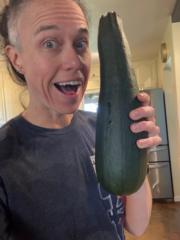
Yesterday’s harvest + a letter to my future self
Dear Future, Wiser Self: You are the only person in your family who likes okra. You do not need 8 okra plants. Sincerely, Eating Okra Daily and Still Drowning in Okra

3 likes • Aug 15
My husband loves okra so our pharmacist brought in plants for him. I don’t like that particular veggie at all. I suggested he just trade Huong tomatoes for okra. When we plant tomatoes we could open a farmers market. They seem to love our yard.
1-10 of 80

@sandy-chilese-3441
Wife, mom, grandma, priest, quilter, fabric addict, gardener,dog lover, Spyder Rider, mediocre cook, lousy housekeeper, humble servant of Jesus Christ
Active 1d ago
Joined Jan 29, 2026
Peoria AZ
Powered by