Activity
Mon
Wed
Fri
Sun
Aug
Sep
Oct
Nov
Dec
Jan
Feb
Mar
Apr
May
Jun
Jul
What is this?
Less
More
Owned by Samone
A Ìṣẹ̀ṣe Ifá community honoring good character, oral tradition, and divine wisdom, aligned with Ori, Orisa, Ancestors, and Olódùmarè.
Memberships
🦋TRANSFORMATION STATION🦋
16 members • Free
The Operator's Room
13 members • Free
Women's Bible Study
55 members • Free
Temple of the Tides
27 members • Free
Skoolers
165.4k members • Free
Woven Empowering Businesswomen
142 members • Free
DCT AI Community
5.3k members • $17/month
2 contributions to Temple of the Tides
Mar 18 •
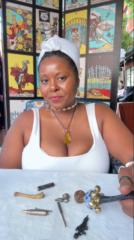
March 15 weekly Ifa Call
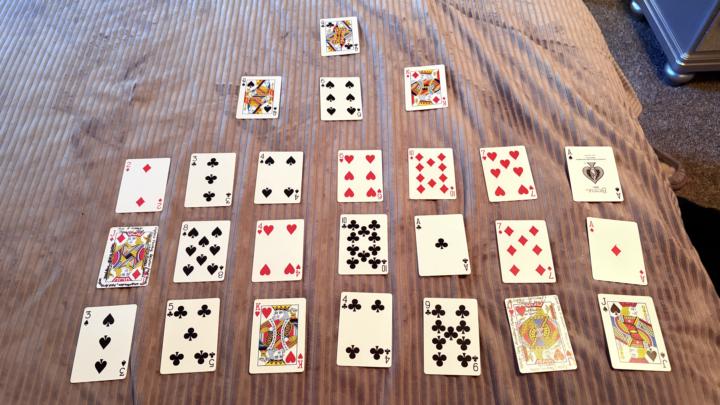
VIEW RECORDING - 153 mins Divination systems are remarkably diverse, with cultures worldwide developing unique ways to seek insight into the unknown. These methods often involve interpreting natural phenomena, using specialized tools, or performing ritualistic actions. Often times passed down through oral traditions, initiations and practices. Common Global Divination Systems - Cartomancy & Tarot: One of the most recognizable forms, using cards (like the 78-card Tarot deck) to interpret spiritual or practical questions. - Astrology: Reading the alignment and movement of celestial bodies to understand human affairs. - Scrying: The practice of gazing into reflective surfaces like crystal balls, mirrors, or water. - Geomancy: Interpreting markings on the ground or the patterns formed by tossed handfuls of soil, rocks, or sand. - I Ching: An ancient Chinese system involving the tossing of yarrow stalks or coins to generate hexagrams that correspond to specific texts. - Runes: Using ancient alphabets, such as the Elder Futhark, typically carved into stones or wood and "cast" to be read. - Tasseography: Interpreting patterns left by tea leaves or coffee grounds in a cup. Specialized Cultural Practices - Ifá (West Africa): A complex system practiced by the Yoruba people using palm nuts or cowrie shells to consult the Odu Ifá literary corpus. - Augury (Ancient Rome): Determining the will of the gods by observing the flight patterns and songs of birds. - Poe/Jiaobei (East Asia): Using crescent-shaped wooden blocks thrown to the ground to receive "yes" or "no" answers from deities. - Nggàm (Cameroon/Nigeria): A form of "spider divination" where the movements of a land crab or spider through a set of cards or objects are interpreted.
1 like • Mar 18
I love love love learning about different divination systems, thank you for sharing. Looking forward to next weeks call.
Jan 20 •
Book Release!
My New Book WAP is available on Amazon! Please support me and go purchase my first book! https://a.co/d/cZcR8da

1 like • Jan 25
Excited 🎉…… I just received my book 📕 & excited to read it. Thank you 🫶🏽
1-2 of 2
@samone-marie-wainright-8132
Samone Marie (Ìyánífá Ifẹ̀Tayọ̀)
Full Circle Doula, CHW, Ancestral Soul Guide & Author
“Guiding You On A Journey To Reclaim Your Peace”
Active 42d ago
Joined Dec 27, 2025
Portland, Oregon