Activity
Mon
Wed
Fri
Sun
Mar
Apr
May
Jun
Jul
Aug
Sep
Oct
Nov
Dec
Jan
What is this?
Less
More
Memberships
Diyar Pastry Lab
5 members • Free
5 contributions to Diyar Pastry Lab

8h •
🍪 Cookie Science 1.5
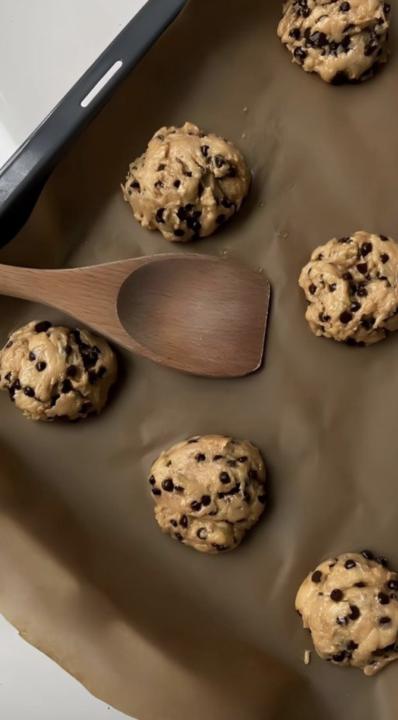
Baking Fresh Dough — What Happens? Fresh cookie dough is baked right after mixing, while the butter is still soft and the dough is warm. Because of this: • Butter melts very early in the oven • Dough spreads quickly • Structure forms later As a result, cookies made from fresh dough often: • Spread more • Bake thinner • Have softer edges • Lose some height This doesn’t mean fresh dough is wrong — it simply spreads before the structure has time to fully set. Fresh dough spreads first, then sets. In the next post we will talk about what happens when we freeze the dough first then bake it

1 like • 8h
👍👍
2d •
🍪 Cookie Science 1.4
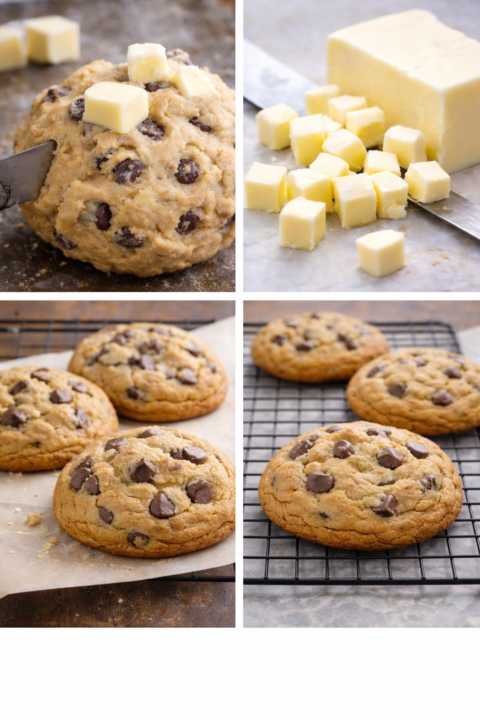
How Cold Butter Change Cookie Structure🧈🌡️ Cold or frozen butter stays solid longer in the oven. Because it doesn’t melt right away, the dough keeps its shape during the early stage of baking. This gives the cookie time to set its structure before spreading. As a result: • The cookie spreads less • The center stays thicker • The shape is more defined • The structure is stronger Instead of fat melting first, the dough sets first. That shift in timing is what creates: • Taller cookies • Softer centers • More controlled spread This is why chilled or frozen dough often produces thicker cookies — even when the recipe is exactly the same. Butter temperature doesn’t change ingredients. It changes when structure forms. In the next part, we’ll look at how chilling the entire dough affects texture even more.
1 like • 2d
Chewy
3d •
🍪 Cookie Science 1.3
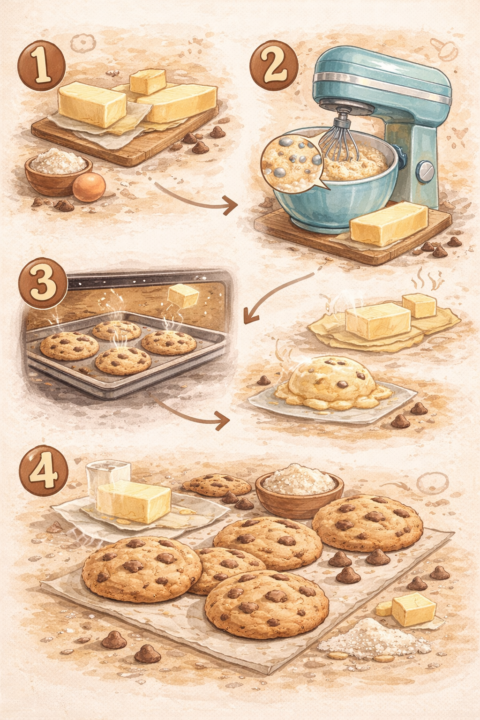
• Why Room-Temperature Butter Is Often Ideal Room-temperature butter has a soft but solid fat structure.🧈🌡️ This matters because butter at this stage can: • Hold its shape during mixing • Trap small air pockets when combined with sugar • Melt gradually in the oven, not instantly In baking, timing is everything. 🔥 When butter melts slowly, the dough has time to: • Set its structure • Develop a balanced spread • Bake evenly from the inside out That’s why room-temperature butter often gives: • Evenly spread cookies • Soft centers • Defined edges • Balanced texture ❗️This doesn’t mean it’s the only correct choice — but it’s often the most forgiving and predictable.❗️ Understanding how butter behaves at different temperatures helps you control results, not guess them. In the next part, we’ll look at how colder butter and chilled dough change cookie structure.
1 like • 3d
Nicee
4d •
Welcome to Diyar Pastry Lab 📌
Hi, I’m the pastry chef and founder of Diyar Sweets, an online pastry brand. This space is for anyone who wants to understand the science behind baking — not just follow recipes. Here you’ll learn: - Why recipes work (and why they fail) - How to troubleshoot common pastry mistakes - How ingredients, temperature, and technique affect results I’ll share selected recipes, explain what can go wrong, and show what causes failures and how to fix them. This group is for home bakers, pastry students, and anyone curious about baking science. What’s coming: - Recipe breakdowns - “Why this failed” explanations - Practical baking science tips Welcome 🤍 Let’s bake with confidence, not guesswork.
1 like • 4d
We are waiting to learn more
5d •
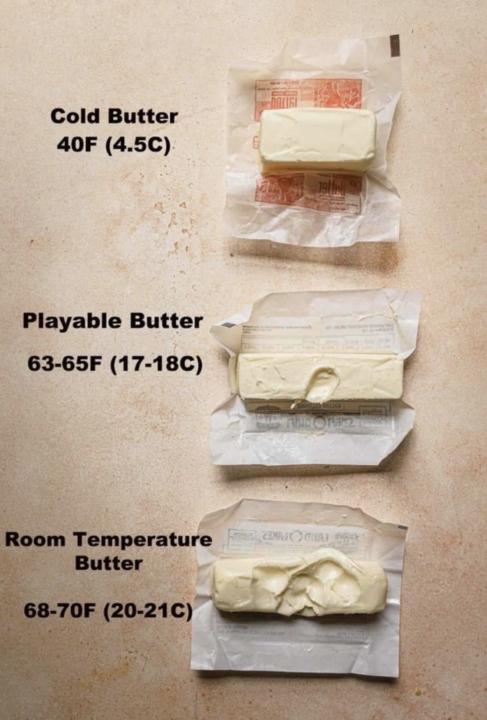
Why room-temperature butter🧈 🌡️matters more than people think
I used to ignore butter temperature and wondered why my texture changed every time. Cold butter = less air → denser results Soft butter = better creaming → lighter texture Once I controlled this, my results became consistent. Curious—what ingredient do you think affects baking the most?
1 like • 5d
thanks very useful
1-5 of 5

@rida-hijazi-5208
Arabic teacher 📚 | Passionate about language & culture | Helping students master Arabic step by step
Active 8h ago
Joined Jan 28, 2026
Canada montreal