Activity
Mon
Wed
Fri
Sun
Aug
Sep
Oct
Nov
Dec
Jan
Feb
Mar
Apr
May
Jun
What is this?
Less
More
Memberships
Skool Growth Free Training Hub
8.6k members • Free
THE SKOOL HUB
5.4k members • Free
GC
Growthworks Community
24k members • Free
Template Skool
3.7k members • Free
Digitally Rich Community
669 members • Free
Mind the Gap Community
86 members • Free
7 contributions to Mind the Gap Community
Aug '25 •
You can’t fix what you don’t always see
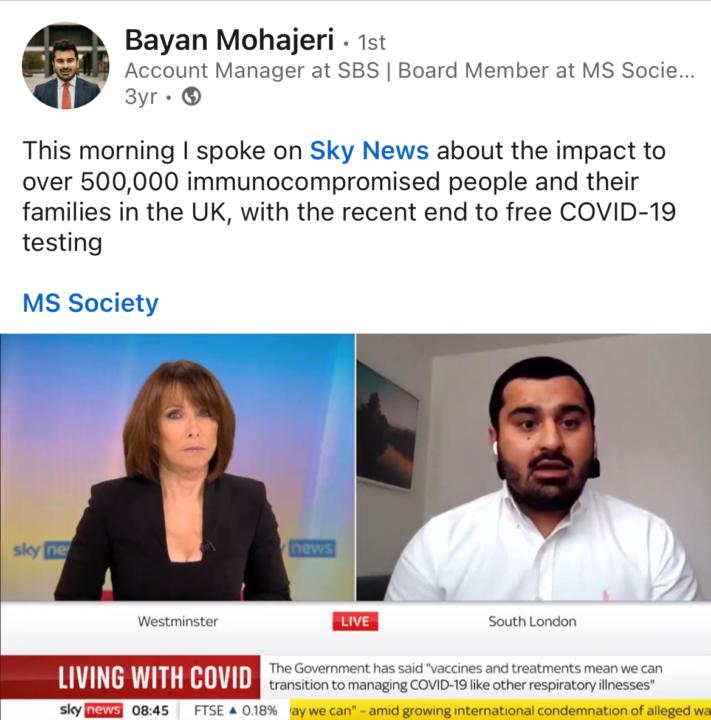
Multiple sclerosis (MS) continues to be seen—and spoken about—as a disease that affects only white people, particularly by many in Europe. In America, it’s often labelled as a “white women’s disease”, and outside of English-speaking communities, there isn’t even a widely recognised term for it. This limited perspective makes living with MS in the UK especially isolating for people of colour. Every time MS is discussed publicly, it’s almost always a white person sharing their experience. It may seem like a minor issue to some, but in reality, there are countless Black people suffering from MS without answers as to why this disease often affects them so aggressively. The rate of disability among Black people with MS is much higher compared to their white counterparts, yet the reasons remain largely unexplored. There is a distinct lack of urgency when it comes to understanding MS in Black communities. As a result, people continue to suffer in silence while the narrative remains unchanged. We keep hearing that “MS affects everyone,” but in practice, the stories that are shared in the media rarely reflect this diversity. The only times you might see a Black person talking about MS are when they are athletes or celebrities—and even then, discussions rarely address health disparities or the unique challenges faced by Black and minority ethnic communities. The power and influence of television and media are constantly underestimated. When only one type of story is told—when only white faces are associated with MS in news reports, documentaries, and awareness campaigns—it shapes public perception and even impacts research priorities. It reinforces the misconception that MS is only a “white person’s disease,” which means that the unique experiences and challenges faced by Black people are consistently overlooked. I have been turned down by the media countless times when I have tried to speak on this topic. When they research MS, all they see are white faces, and so my voice is overlooked. But I refuse to be silenced or discouraged. My lived experience matters, and I am determined to challenge the current narrative around MS.
0
0
Jul '25 •
A Very Big Congratulations!!!!
We have a Doctor in the house!!! A very big congratulations to Dr Malone Mukwende! 7 years is not a small thing! All your hardworking has led you here. Very very happy for you 👏🏽👏🏽👏🏽👏🏽

Apr '25 •
Patient Interactions
What's one patient interaction that made you realize the importance of culturally responsive care?
2 likes • Apr '25
From a patient perspective, cultural awareness is greatly important in healthcare. It means understanding and respecting patients’ backgrounds, beliefs, and needs. For example, when I had my first multiple sclerosis treatment, the medication was famous for causing a red rash. Because this rash is well-known, I was worried when I didn’t see it on my body. I thought maybe the treatment wasn’t working. The infusion nurse dismissed my concern, saying the rash doesn’t always appear and it wasn’t important. I felt like it was my skin colour that was the issue. I don’t often think like that but I was in a low place, and I thought I was the most unlucky black person in the world. This was because I didn’t know any black person at the time with MS. Every-time I went for my treatment I was surrounded by middle age to elderly white people. My neurologist took time to listen carefully and noticed a dark bruise on my thigh on examining me , that I hadn’t seen before. She reassured me that reactions can vary and explained that not everyone gets the typical rash. That personal attention really helped ease my worries. Cultural awareness could also look like understanding a patient’s support system, especially when it comes to illnesses and culture. In many Black heritage communities, there is often stigma around certain illnesses. Understanding this and working to raise awareness within their family network and support system is a key part of cultural awareness. An example of this was when I travelled to Ghana on an advocacy trip with my organisation, a nonprofit patient group. We visited a multiple sclerosis clinic there. The African nurses were already ahead in involving the patient’s family network to make sure they were aware of the illness. This helps prevent replacing awareness with traditional cultural misconceptions like voodoo or stigma. Most of these misunderstandings exist because people are unaware of what is really happening. Once awareness replaces those misconceptions, families are better able to support their loved ones who need care.
1 like • Apr '25
https://storage.thenerveofmyms.org.uk/w/uvVwotl A little something from our advocacy work in Ghana.
Dec '24 •
Course Reviews
Hi Friends, Its been just over a week since we launched the course! I'd love to find out how you are getting on and if there is any feedback that you have on the course! I'm happy to jump on a call at a time that suits you or alternatively feel free to respond to this message whenever you are free!
1 like • Jan '25
[attachment]
0 likes • Jan '25
@Malone Mukwende that’s great it’s in the John Parker Lecture Theatre. i will be there around 11 before my presentation at 11:30am.
Dec '24 •
Change can only come if we work together.
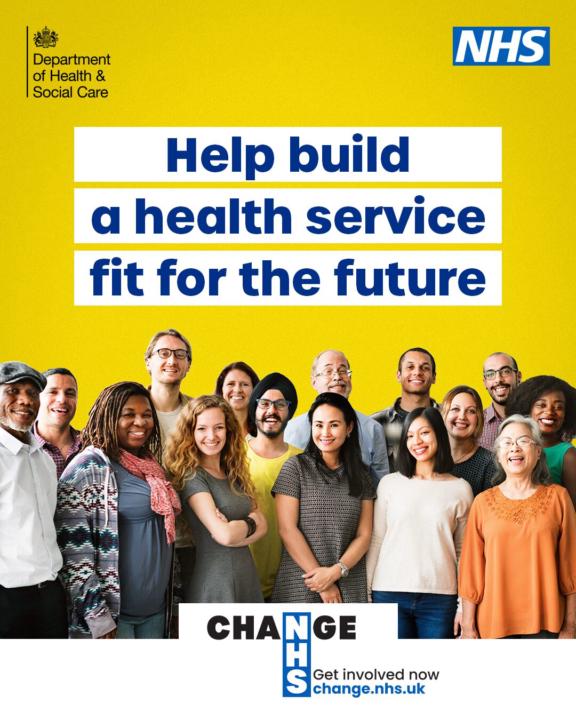
The NHS in the UK has launched a new campaign as part of their 10-year plan, aiming to ensure healthcare serves everyone. The government is inviting community groups and the public to contribute ideas to shape this vision. As someone actively involved with my community, I'm determined to see real action rather than just more talk. We've had plenty of reports and inquiries, but true progress comes from taking concrete steps. In my work, I've noticed a significant lack of trust between the Black community and the NHS. To address this, I organised workshops with healthcare workers who understand our community's unique challenges. These sessions provided a space for patients to voice their concerns and receive reassurance, which was very much appreciated. Often in medical settings, appointments feel rushed, limiting the opportunity to fully express issues. But in these workshops, patients could ask anything, helping to build trust and understanding. This approach is crucial for bridging gaps and fostering trust. When I attended the Black Health Summit in London, I was struck by the absence of white clinicians. Since a significant portion of clinicians are white—over 60%, in fact—it’s essential they participate in such events. Our community primarily sees white doctors, so their presence is vital to understanding and addressing our specific healthcare needs. I believe there are biological differences that should be considered; for example, why are Black women dying at higher rates than others during child birth in the UK and the US? These issues need examination with input from all medical professionals, regardless of background. It’s about involving everyone to ensure life-saving measures are put in place. I’m truly grateful for what you are trying to build here @Malone Mukwende it’s inspiring and positioned well for effective change.
2 likes • Dec '24
@Malone Mukwende I see this as both a systemic issue within specific health systems like the NHS and a broader challenge in healthcare generally. Systemic problems often arise from institutional practices, such as limited cultural competence and underrepresentation of minorities among healthcare staff. However, there are also universal issues, like implicit biases and the need for better data on health outcomes across ethnic groups. Addressing these requires reforming health systems and promoting global initiatives for equity and inclusivity. Collaboration between communities, healthcare providers, and policymakers is essential for real change.
1-7 of 7
@natalie-diana-busari-9908
I am health advocate and the Founder of a nonprofit patient advocacy organisation which supports black individuals living with multiple sclerosis (MS)
Active 63d ago
Joined Nov 25, 2024
Powered by