Activity
Mon
Wed
Fri
Sun
Apr
May
Jun
Jul
Aug
Sep
Oct
Nov
Dec
Jan
Feb
Mar
What is this?
Less
More
Memberships
Scale Systems
159 members • $1,800/month
Legacy Wealth Accelerator
19 members • Free
Founder OS+
220 members • Free
4 contributions to Legacy Wealth Accelerator

Oct '25 •
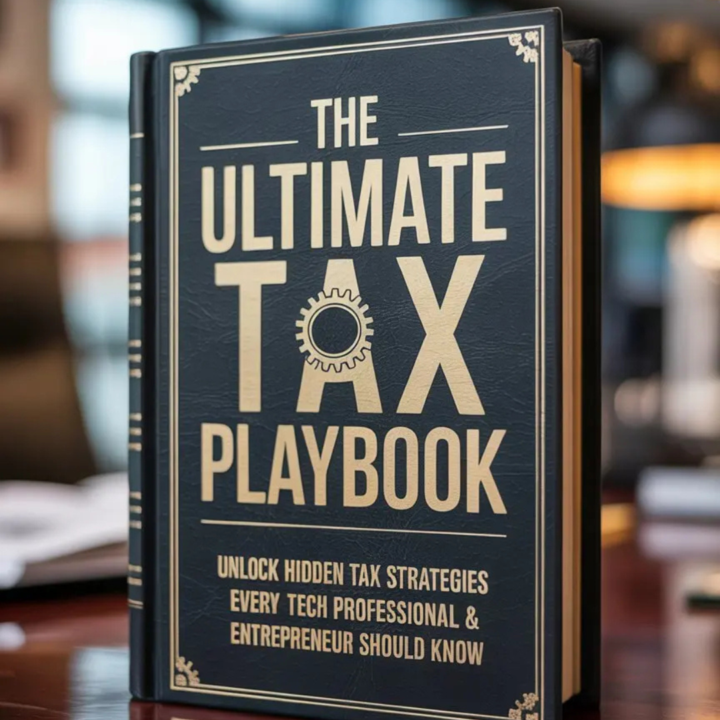
❤️🔥 The Ultimate Tax Playbook
If you’re earning big but still losing 30–40% of it to taxes… this is your wake-up call. The IILIFE Ultimate Tax Playbook breaks down how top tech professionals and entrepreneurs are legally saving $75K–$300K+ a year, and turning those savings into real estate-backed wealth. Inside, you’ll learn: ✅ How to use depreciation, 1031 exchanges, and REP status to slash taxable income ✅ How to leverage Opportunity Zones & self-directed accounts to eliminate capital gains ✅ How 100% bonus depreciation & the OBBBA can change your 2025 tax plan forever If you’re ready to keep more, invest smarter, and design your wealth strategy for 2025–2026, grab your FREE copy here 👇 IILIFE.live/tax-playbook

0 likes • Oct '25
This is a massive pain point for so many high earners. The numbers you're quoting ($75K-$300K+) are staggering. I'm especially curious about the combination of 1031 exchanges and Opportunity Zones. Just downloaded my copy, looking forward to diving in!
Oct '25 •
what hedge fund strategies can real estate investors actually learn from?
I used to think hedge funds were just billion-dollar bets on Wall Street. Turns out, their core strategies are actually lessons in discipline, timing, and risk management. I started studying how funds use long/short equity, macro timing, and even event-driven investing. The parallels in real estate are crazy. Holding cash-flowing rentals while cutting losers, watching rates like a hawk, spotting value gaps , these principles aren’t just theory. They’re playbooks for building long-term wealth. Curious , do you think real estate investors should study hedge fund strategies more closely, or are they overhyped?
Sep '25 •
Is the EB-5 visa the real answer to Trump’s student visa crackdown?
I’ve been watching the fallout from the 6,000+ student visa cancellations, and honestly, it feels bigger than just immigration. Universities are losing billions, students are losing their futures, and businesses are losing talent. I’ve seen how H-1B and O-1 visas can’t keep up, and it makes me wonder if EB-5 is the only stable path left, especially for students who want to stay, build companies, and create jobs. Do you think EB-5 is the real solution, or just another expensive workaround?

Sep '25 •
What’s the smartest tax strategy for early retirement?
I’ve been digging into FIRE and one thing stands out: taxes make or break your plan. Retire early without strategy and you can lose 30%+ to penalties and bad withdrawal choices. Tools like Roth ladders, bridge accounts, and sequencing withdrawals can stretch a portfolio 6+ extra years. I’m curious, if you’ve planned for FIRE, which tax strategy has been the most valuable for you? Or which one do you think most people overlook?
0 likes • Sep '25
@Nidhi Katta You've hit on the key to FIRE. Most people overlook strategies that work during the accumulation phase. For me, it's been massive depreciation from multi-family value-add opportunities. A cost segregation study on a property allows you to "front-load" depreciation, creating large passive losses that offset ordinary income. This isn't just about saving for retirement; it's about radically reducing your tax burden today, which supercharges your investable cash flow. It’s a more active strategy than setting up a ladder, but the immediate tax benefits can shave years off your timeline. Happy to help if anyone has questions about how this works in practice. Feel free to reach out, I'm glad to offer some free guidance based on my experience
1-4 of 4

@mukesh-sivaji-3926
VP at IILIFE | 20+ yrs in Analytics & Data World | Digital Marketing | Entrepreneur in RealEstate & Startups | Motorcycle enthusiast | Family-oriented
Active 45d ago
Joined Aug 23, 2024
Austin, Texas
Powered by