Activity
Mon
Wed
Fri
Sun
Jul
Aug
Sep
Oct
Nov
Dec
Jan
Feb
Mar
Apr
May
Jun
What is this?
Less
More
Owned by Michael
Passion Projects—a place where creativity, kindness, and passion can come together to spark something bigger than ourselves.
Memberships
Shopify Growth Collective🥂
927 members • Free
Doing What You Know
40 members • $25/month
Music Income Club
36 members • $9/month
WD
We don't give up here!
3 members • Free
Squiggle Skool
115 members • Free
Art Skool
36 members • $9/month
Evolve Now Social
2.3k members • Free
Altruistic Silver
44 members • Free
123 contributions to Evolve Now Social

3d •
Some creative writing. I hope you enjoy
TRUNK (a short story by Michael Fuller) A story told by the guy in the trunk. Most people only get one scene. You know the kind. A pair of hands. A struggle. A punch. Darkness. Then the trunk slams shut. The audience never learns our names. We’re the disposable characters. The kidnapped witness. The unlucky accountant. The security guard who saw too much. The henchman who failed the boss one too many times. I’ve been all of them. Not literally, of course. But every time a writer needs someone in a trunk, they create a guy like me. We exist for one purpose: to make the hero look determined or the villain look dangerous. Then we’re forgotten. The strange thing about being a trunk guy is that you have a lot of time to think. The hero is usually driving somewhere dramatic. The villain is usually making threats. Meanwhile, I’m bouncing around between a spare tire and a jack handle, wondering why nobody asks what I think about the plot. I have opinions. For example, if you’re a henchman working for an evil mastermind, maybe don’t take the job that includes a dental plan described as “survive until Friday.” And if you’re a victim, maybe don’t investigate abandoned warehouses at midnight. You’d think people would learn. They never do. I know because I’ve been in thousands of trunks. Different stories. Same trunk. One week I’m a mob enforcer. The next week I’m a journalist. Sometimes I’m tied up. Sometimes I’m unconscious. Once I was a professional assassin who somehow got defeated by a retired librarian with a garden rake. That one still bothers me. But this time feels different. This time I can hear the audience. They’re waiting for the hero to open the trunk. They expect the usual scene. The lid lifts. Light pours in. The hero asks questions. I give information. Then I disappear from the story forever. But I’ve decided I don’t want one scene anymore. I want a life. I want a name. I want hobbies. Maybe I collect comic books. Maybe I draw caricatures at county fairs.
1
0
10d •
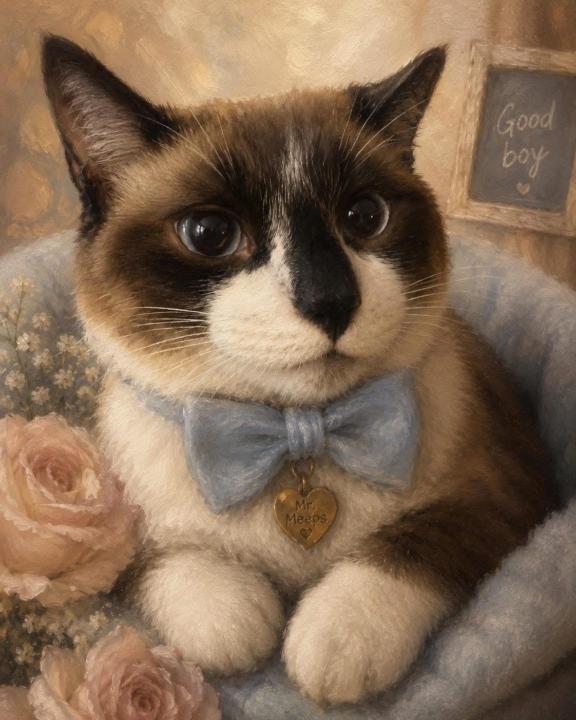
Mr. Meeps
It is with empathy, and compassion I create meaningful art. Experiencing my own grief I know from experience the feeling of a broken heart. Mr. Meeps pat memorial portrait created for a very dear friend. My time and talent is my gift to you.
2
0
10d •
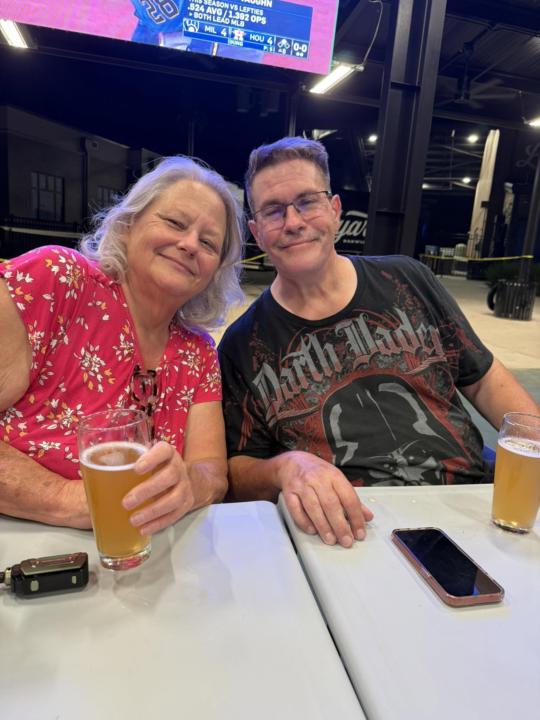
Eleven years ago
Eleven years ago, my life changed for the better. Nine years ago today, I made the best decision of my life by marrying you. Chris, you have been the absolute greatest blessing in my life. Through every laugh, every challenge, and every beautiful memory we’ve built since 2015, my love for you has only grown. Happy 9th Anniversary to my partner, my best friend, and my whole heart. Here’s to forever.
11d •
Happy #Musical Monday
🎵 Musical Monday Challenge 🎵 From the bottom with just a handful of people… to building something real, one connection at a time. No big budget. No massive following. Just a vision, a few dreamers, and the belief that we grow stronger together. We preached unity, collaboration, and lifting each other up — and slowly but surely, this community evolved into what it is today, thanks to every single member who showed up, shared, supported, and contributed. This song captures that journey perfectly: “Big Dreams” by The Real Young Swagg" It’s about coming from small beginnings, facing doubt, pushing through the hard times, and refusing to stay down. It’s about holding onto those big dreams even when the circle is small and the road feels lonely — then watching things grow as the right people join the mission. That’s Evolve Now Social in audio form. This week’s Musical Monday Challenge: Post a song that represents your community (or your personal journey) and tell us the story behind why it fits. - What did you build from the ground up? - Who helped you along the way? - What “big dreams” are you still chasing together? Drop your song + your story in the comments or as a new post. Tag the community so we can all vibe and support each other. Let’s turn Musical Monday into a powerful reminder that we really do evolve now — and we do it together.
1 like • 11d
Good sound
1-10 of 123
@michael-fuller-2659
Freelance illustrator, cartoonist, and caricature arist
https://client-portal--artbymike08.replit.app/submit
Active 8h ago
Joined Aug 21, 2025
Rosenberg, TX
Powered by