Activity
Mon
Wed
Fri
Sun
Apr
May
Jun
Jul
Aug
Sep
Oct
Nov
Dec
Jan
Feb
Mar
What is this?
Less
More
Memberships
SW
Sleeping With the Ancestors
225 members • $9/month
The King's Circle
30 members • $22/month
111 contributions to The King's Circle
4d •
The Power Already Among Us
In today’s Across the King's River newsletter, I shared a powerful reflection inspired by Ines Tola and a profound comment she made here in The King’s Circle about her journey of seeking approval. If you’re not on my mailing list, you can read the full post on my blog: Ines Tola: Exploring Identity, Music, and Writing Across Continents | Across the King's River There is so much wisdom in this circle. We have healers, authors, artists, scientists, engineers, entrepreneurs, finance professionals, AI experts, and business leaders among us. I’m truly grateful to grow alongside you. Let’s continue to lean into the depth of expertise here as we move forward — together. Reflection Question Whose gift in this circle have you not fully tapped into yet — and what might open up if you reached out? What genius is already sitting beside you here that could help you move forward faster or wiser?
1 like • 4d
@Candice Ramessar I'm a healer in a STEM world. I can relate.
11d •
When Are You Going to Rest?
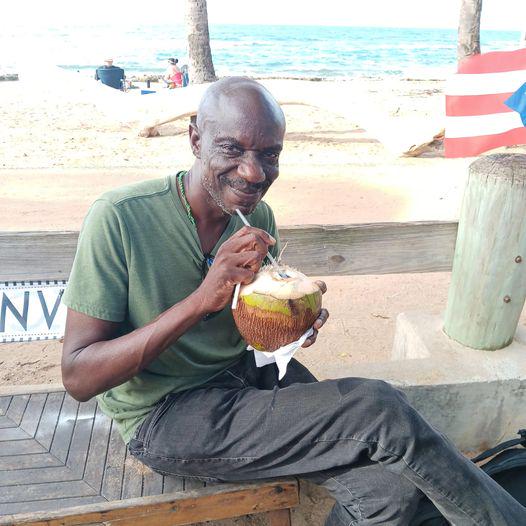
When are you going to rest? Not collapse. Not burn out. Not crash. Actually rest. And enjoy it. You have limits. You have a nervous system. You have a soul that needs space — not just sleep, but silence. Not just time off. This photo of me holding a coconut was taken in Puerto Rico about three years ago. I remember feeling deeply relaxed… peaceful… present. And if I’m honest? I also felt guilty. One of my best friends was back in California, driving his taxi all day just to make ends meet. I knew so many people were struggling. Part of me wondered, Who am I to feel this good right now? But here’s what I’ve learned: We deserve a break too. The photo with the pillows was taken during one of my last nights in Nigeria. During that trip, my sisters — Chief Aikulola, Ifa Lola, and Hadiya — reminded me that comfort, even a little luxury, can belong in our spiritual retreats. Rest doesn’t make us less spiritual. Comfort doesn’t make us less committed. Peace doesn’t make us selfish. In fact, it makes us whole. And that’s the plan moving forward. So back to you… When will you rest? Not when everything is done. Not when you’ve earned it. Not when you break. Rest is not a reward. It’s part of being human. Maybe today you close the laptop 30 minutes early. Maybe you take the walk. Maybe you sit in the quiet without reaching for your phone. The world will keep spinning. And you’ll remember — you were made to be alive.
1 like • 8d
@Ines Tola My son has been working hard at school, playing sports, and spending time with friends and not getting much sleep. His body finally gave out a few days ago and he's been home recuperating. We've had many discussions about the way he treats his body. I told him if you don't rest, your body is going to put you down. The body had enough and put him down for 3 days! He's going back to school tomorrow. My son always has to go through the pain to learn a lesson which is the complete opposite of me. I hope these rest conversations and these experiences will help him discern more about taking care of his body, mind, and spirit.
0 likes • 4d
@Lisa Hopps I grew up in Cleveland! I'm from the eastside. I don't miss those windchill factors coming in from the lake where the wind feels like a knife slicing your face. Those were the days! Where are you in Cleveland?
7d •
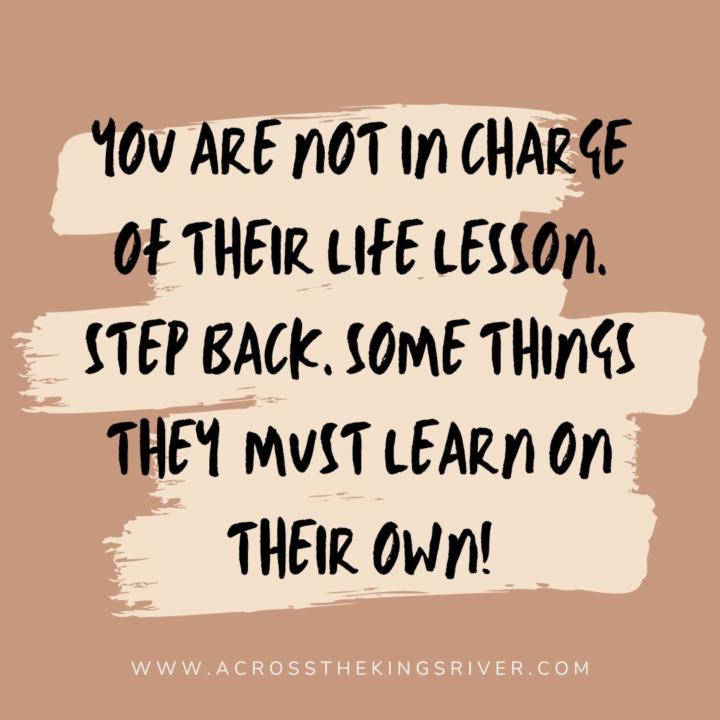
Not Your Lesson to Teach
Give yourself permission to step away. Or give yourself permission to step back. Not every lesson is yours to teach. Not every outcome is yours to control. Sometimes love looks like space. Reflection Questions: Am I helping… or am I trying to control the outcome? What lesson might they need to experience without my interference? What is one situation where you know it’s time to step back?
1 like • 4d
@Lisa Hopps Giving space can feel like rejection but it's really the person making a decision for self-care and introspection. I think of it as an act of courage because we are often socialized to explain our no as a selfless act. But the waiting to get back in our loved one's space can be unsettling. What spiritual practices provide the emotional support you need as this moment?
2 likes • 4d
I'm chairing a search committee to hire a new executive director for a non profit. I'm the board of directors for this organization. I decided to slow my roll on the process because I felt that there was an elephant room. It was a feeling for several weeks. I called the board president about my feelings and some concerns about current executive director involved in the search for their replacement. She had a meeting with the executive committee and they they raised similiar concerns and decided to remove this person from the search committee due to confidentiality and conflicts of interest. I was relieved that I trusted my body sensations and paused an upcoming meeting with the committee. Stepping back and trusting my body's reaction to my feelings is the type of knowledge that I'm leaning into more these days.
5d •
Be Focused
If everything is a priority… then nothing is. Read that again. When you try to chase every opportunity, answer every message instantly, build every idea, help everyone, and say yes to everything — you dilute your power. Scattered energy = average results. Focused energy = unstoppable momentum. The question isn’t “What could I do?” The question is: What actually matters most right now? What: - Feeds your soul - Expands your skills - Moves your mission forward - Creates real value for the people you’re called to serve So today, ask yourself: 👉 If I could only move ONE thing forward this week, what would it be? 👉 What deserves my best energy? 👉 What am I saying “yes” to that’s stealing from my real priority? Protect your focus like it’s your future — because it is.
2 likes • 4d
After reading this, I decided to move forward on something. I just reached out to a friend who's a singer and songwriter about my desire to sing again. I'll wait for his response. He was a recording artist and released one album. I listen to it every now and then and I remember watching him and his band perform some of those songs many years ago. I did not know that he could sing at the time and it was a nice surprise. Oh he just texted me back. He said to start singing again, play my favorite playlist of songs on my phone and sing along with them. This will build my confidence. Everything to gain, nothing to lose. I'll move forward on this this week.
6d •
Guard This Season
Every season demands something different. Some seasons are for healing. Some are for learning. Some are for building. This one is for focus. Get clear on: What feeds your spirit. What stabilizes your emotions. What strengthens your finances. Reflection Questions: What do I need to focus on most right now? What is distracting me from becoming who I’m called to be?

2 likes • 4d
I'm focusing on how to develop my voice to get back into singing after stopping this 15 years ago. I've been putting the word out to some people about voice lessons and joining a choir, but I'm still exploring my options. Singing has never been a skill that felt confidence. I was in many choruses and sang solo a few times but terrified of rehearsals and performance. I had a similiar experience in my acting career but I think I was able to get beyond the fear because I was performing a character and not me. Singing is all about you, the performer. I'm looking for an instructor that I feel comfortable with and who can challenge me. Singing takes discipline such as breathing and relaxing the muscles. Taking care of your instrument is vital. I think I've been searching for the opportunity in the wrong places.
1 like • 4d
@Teju Rice Triathlon? I did not know. You are full of surprises. How did you get involve with triathlons and what motivated you? I don't think I've ever met a triathlete before.
1-10 of 111
Active 16h ago
Joined Dec 31, 2025
Naguabo, Puerto Rico
Powered by