Activity
Mon
Wed
Fri
Sun
May
Jun
Jul
Aug
Sep
Oct
Nov
Dec
Jan
Feb
Mar
Apr
What is this?
Less
More
Memberships
The Forager's Guild
11 members • $10/m
Whole ATL
15 members • $29/month
🇺🇸 Skool IRL: Atlanta
190 members • Free
Offer Development Society
37 members • Free
Kickstarter Challenge
26.5k members • Free
PT Launchpad
37 members • Free
7 Figure Fitness Closers
1.1k members • Free
3 contributions to The Forager's Guild
13d •
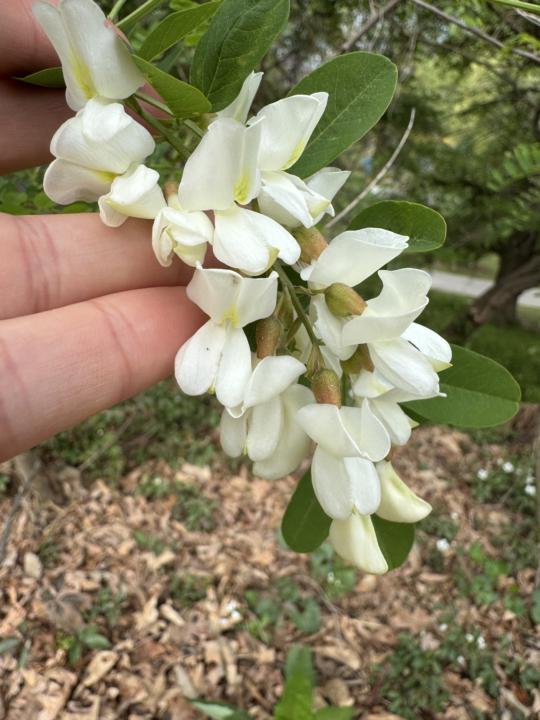
Black locust season - you've got to smell these
These Black locust or Robinia pseudoacacia are blooming in Atlanta right now. Best way to find them is in open fields, near roads, or bridges. They like rocky and recently cleared locations and it can be hard to reach the flowers. They have spikes on their bark. These smell amazing, and they taste amazing too. I put them in my water, banana ice cream, oatmeal and more. They're only ripe for a week or two max and then you'd have to go north to forage them. They're my favorite flower to forage without a doubt for aroma.
0 likes • 13d
@Tristian Wolf oh wow inside of beans sounds cool how do you prepare them?
0 likes • 13d
@Tristian Wolf ahh yeah honey locust are tasty they’re similar for sure! Black locust I think the bean may be used in bean gum but the flowers are delicious but only before they open. Once you see the stamen they don’t have the same sweet smell.
18d •
A fruit with omegas!
you probably been out on the trails lately and seen a shrub that looks like it’s flickering silver in the wind. That’s the Autumn Olive (Elaeagnus umbellata). Now, some folks call it a "stubborn invader" because it’s a pioneer species—it loves disturbed soil and spreads like wildfire—but as an ethnobotanist, I see a powerhouse of resilience and nutrition that literally feeds the earth it stands on. How to Spot It! Look for a large, spreading shrub (sometimes up to 20 feet!) with oval leaves. The giveaway is the underside of the leaf—it’s covered in tiny silvery scales that shimmer. The Flowers: In late spring (April–June), it puts out these small, cream-colored tubes that smell interesting! The Fruit: Right now, we’re looking at those beautiful, speckled red berries. They usually peak from late August through October. But they are coming out right now as well! These berries taste really good!... Kinda like tart pomegranate meets a sweet grape. These berries have way more lycopene than a tomato (up to 17 times more!). Autumn Olive is packed with Omega-3 and Omega-6 fatty acids. Eating the seeds along with the pulp gives you a direct boost for heart health and fighting inflammation. It’s nature’s own "multivitamin" hiding in the thicket. Medicinal value: Digestive and Bowel Support: In traditional Chinese and Japanese medicine, the leaves are specifically used to treat bowel disorders. Respiratory Relief: Decoctions of the leaves have been traditionally used to address coughs, asthma, and general respiratory discomfort. Poultices: Freshly crushed leaves are applied topically to minor wounds, cuts, and skin irritations to promote healing. Antiseptic: Leaf tea can be used as an oral antiseptic for gum infections or as a gargle for sore throats. Liver Protection: Modern research indicates that leaf extracts may have hepatoprotective effects, helping to protect the liver from toxicity and damage. Inflammation and Pain: Scientific analysis has identified compounds like gallic acid and kaempferol in the leaves, which are potent inhibitors of inflammation and may help manage associated pain.

0 likes • 13d
Definitely a tasty fruit and great nutrition. I think people call it an invader or invasive plant because it comes from Asia, grows quickly, have evergreen leaves in an environment where most plants go dormant for winter, and as a result it will shade out native plants. It outcompetes spicebush (super medicinal and amazing plant), pawpaw, elderberry, native bay plants, alders, blueberries, and more. And then there are the hundreds of herbal plants that die back each year both annual and perennial or biennial that are completely wiped out when Eleagnus grows in dense stands. This is because no plants have evolved in Georgia to have large evergreen leaves that also stay low to the ground and grow prolifically. When you walk in a park you'll notice thousands of these particular plants and very few other shrubs or herbs struggling to eek it out. When a plant takes sun all winter and shades the ground in the spring it basically ensures no herbs will grow, which are also medicinal and useful like the wild mustards, wild strawberries, blueberries, deerberries, that you don't tend to see in Atlanta and definitely never when these plants are growing. So while it is a wonderful and helpful plant in it's own way, and tasty, and medicinal, and certainly in its native environment, in Georgia it basically sets up and outcompetes hundreds of other plants that have amazing uses that you won't get to experience if you don't at least remove some of the plants. I also highly recommend going to Shirley Miller wildflower trail to see what I'm talking about. It's an amazing place with all native plants and the diversity of edible and medicinal plants is out of this world. Many plants are endangered or live only there because it is kept with native plants and invasive plants are removed or prevented from establishing by how isolated it is from the city. So I forage and eat these berries and I always bite the seeds, but I also pull hundreds of them out of the parks but I plant hundreds of useful native plants so that the species that co evolved with the insects, birds, and other animals and mushrooms can also live here instead of going extinct by being crowded out of their habitat.

19d •
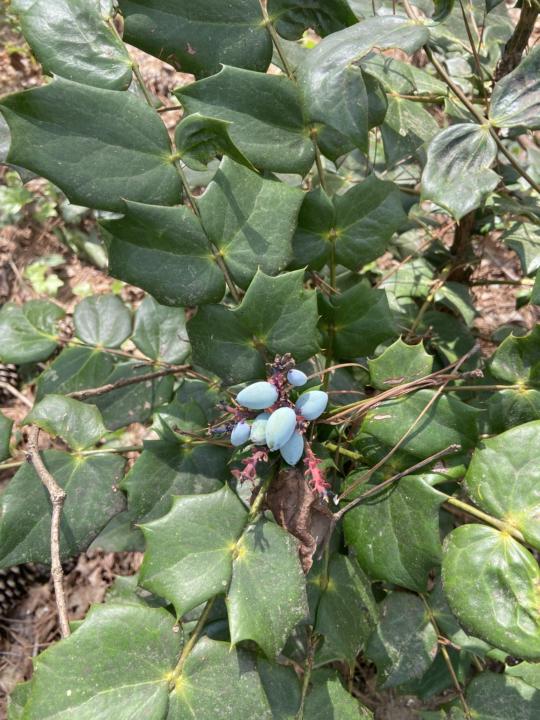
Edible berries?
I was out on a walk and my coworker noticed this plant. Are these berries edible?
1 like • 13d
I've taken the ripe red berries and put them into vinegar and they're actually really neat for turning white vinegars into a dark red color. These plants are also non native and sadly spread and outcompete a lot of native plants. So you can harvest as much as you want. They also contain Berberine which some people are using medicinally but I do know it has cholesterol lowering effects. Barberries tend to be the tastier way to get that compound. Too much berberine is associated with diarrhea symptoms so I keep the berries low and especially the bark or roots which are a neon yellow.
1-3 of 3
@josh-wayne-7648
Healthy Forager - Helping women over 50 manage digestive issues find clarity and comfort quickly and reliably.
Active 12d ago
Joined Apr 4, 2026
INFJ