Activity
Mon
Wed
Fri
Sun
Jun
Jul
Aug
Sep
Oct
Nov
Dec
Jan
Feb
Mar
Apr
May
What is this?
Less
More
Owned by Joao
Joao Crus Brazilian Jiu-Jitsu, Dripping Springs,Texas. Using BJJ as a tool for emotional development. Private community for students and parents.
BJJ & martial arts instructors: go beyond drills. Build resilient, confident kids. Free resources inside. Join free. Teach better. Change lives.
Memberships
AI Bits and Pieces
712 members • Free
AI Automation Station
2.6k members • $9/month
AI Consultant Incubator
2.2k members • Free
AI Automation Society
354.8k members • Free
Ground Standard Professionals
80 members • Free
MAIA's Black Belts In Business
1k members • Free
AI Money Lab
72k members • Free
Tango-Therapy
29 members • Free
Melina's Tango Skool
180 members • Free
12 contributions to The Children BJJ Blueprint

Feb 28 •
Buddy Week: Your Friendliest Growth Strategy
Buddy Week is one of the most effective, and underused, tools for growing your academy. The concept is simple: invite your current students, kids and adults, to bring a friend to train for free. No commitment, no pressure, just a chance to experience what you do. But the magic is in how you run it. Before the Week Build anticipation. Talk about it in class two to three weeks ahead. Post about it on social media. Send a message to your parent group chats. Make your students feel like ambassadors, because they are. Give them simple language: “Hey, I train at this great academy and they’re doing a free week for guests. Want to come check it out with me?” The easier you make it for them to invite someone, the more people will show up. During the Week When a guest walks in, treat them like they’re already part of the family. Give them a loaner uniform so they feel like everyone else on the mat, not like an outsider. Design a slightly easier, more accessible version of your regular class. You want them to feel challenged but capable. You want them to leave thinking “I can do this.” Make the instructor introduction personal. Shake their hand, learn their name, ask them why they came. That first connection is everything. After Class This is where most academies leave money on the table. Have a simple, warm conversation ready, not a sales pitch, a genuine check-in. Ask them what they thought, what surprised them, what they enjoyed. Then invite them to continue. Have a clear, easy enrollment offer ready for Buddy Week guests only, a discounted first month, a free uniform with sign-up, or a waived registration fee. Make the decision easy. Make it feel like a natural next step, not a transaction. Why It Works People join Jiu-Jitsu because someone they trust brought them in. Word of mouth is your most powerful marketing tool, and Buddy Week turns every one of your students into a recruiter, without it ever feeling forced. Your current students also get to share something they love, which deepens their own connection to your academy.
0
0
Feb 27 •
Consequences aren’t punishment
When a child misbehaves, consequences aren’t punishment. They are emotional communication for when verbal communication isn’t working. They create the contrast a child needs to understand: “when I do this, that happens.” Punishment and reward are just two sides of the same coin, both keep the child externally regulated, always scanning for what happens to them from the outside. Both place the parent at the center of the moral universe, teaching the child to manage your approval rather than read reality itself. Consequences work differently. They aren’t leverage, they’re information. Consistent, honest, connected to the action itself. Not “I’m going to make you feel bad enough to stop,” but “this is simply how things work.” And for this to land fully, the consequence needs to be relational, logically connected to the behavior, not arbitrary. When it flows naturally from what happened, the child can’t argue with it. It stops being about your anger or your authority. It becomes something the child can actually feel, process, and learn from. That’s what makes it communication rather than control. And it treats the child as someone capable of learning from reality — not someone who needs to be managed into compliance.
0
0
Feb 24 •
Stripes, Promotions & Why They Matter
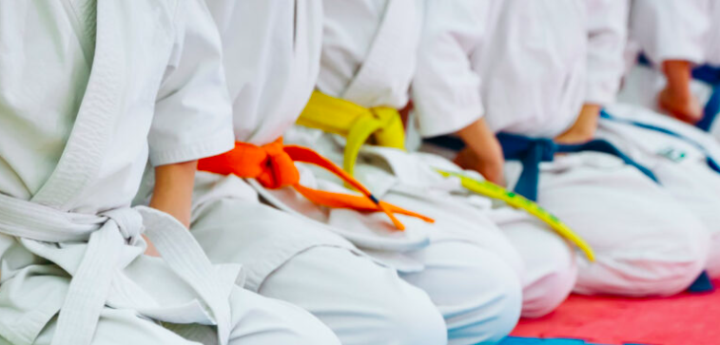
Parents used to ask me all the time when their kid would get a new stripe, and I’ll be honest, it used to get under my skin. I thought they just didn’t get what Jiu-Jitsu is really about. But I changed my mind. Parents bring their kids to Jiu-Jitsu because they want them to grow. And if they don’t speak the language of Jiu-Jitsu, they can’t see the progress happening on the mat. Stripes become their way of tracking that growth. Promotions become moments where you can look a kid in the eyes, call out their effort, and plant something in them that sticks way longer than any technique ever will. These moments are gifts. Don’t waste them. That said, handing out stripes every 10 weeks just to keep everyone happy, regardless of effort or behavior, is one of the worst things you can do. For the kid, for your culture, and for the integrity of the belt system. Promotions have to be earned. They have to feel real. At our academy, promotion means a minimum class count, time on the mat, and, most importantly , we need to see real growth. If a child isn’t ready and we promote them anyway, that’s on us. We didn’t do our job. Make sure your staff knows how to talk to parents about this, warmly, clearly, and with confidence. Parents don’t need to be Jiu-Jitsu experts. They just need to trust that you have a system and that you care. Because kids don’t remember every move you taught them. They remember the coaches who actually gave a damn.
0
0
Feb 23 •
a practical guide on how to structure parent communication throughout the year
A Coach's Year-Round Guide to Parent Communication Most coaches communicate with parents when there's a problem. The best coaches communicate with parents before one ever develops. Here's a simple framework to keep parents informed, engaged, and aligned with your coaching throughout the entire year. The First 30 Days — Set the Foundation This is the most important window you have with any new family. What you establish here becomes the standard they'll measure everything else against. On day one, don't just hand them a waiver and point them to the mat. Sit down for 10 minutes and walk them through your philosophy. Explain how you teach, what you value, and what you'll be working on with their child. Use simple, clear language. Tell them what success looks like in your program, and make sure it goes beyond trophies and technique. At the end of their first week, send a personal message. Something brief. Tell them one specific thing you noticed about their child. This single habit builds more trust than any marketing material ever will. At the 30-day mark, do a quick check-in. Ask how their child is talking about class at home. Ask if they have any questions. This conversation often surfaces small concerns before they become reasons to quit. Monthly — Keep the Loop Open Once a month, send a parent update. It doesn't need to be long. It needs to be useful. Cover three things: what you worked on this month, what you'll be focusing on next month, and one simple way they can reinforce the lessons at home. This monthly touchpoint does something most coaches underestimate, it gives parents language. When their child comes home and says "coach told me to breathe when I feel scared," and the parent already knows that's part of your curriculum, they can say "that's right, tell me more." That moment of reinforcement at home is worth more than an extra class on the mat. Every 3 Months — The Progress Conversation Four times a year, have a brief one-on-one conversation with each family. Not about belt promotions or tournament results. About the whole child. What patterns are you seeing? Where are they growing? Where are they still challenged?
0
0
Feb 22 •
Stop Teaching Everyone the Same Way
Here's one of the things that made the biggest difference in our kids program: we stopped trying to teach everyone the same way. Different ages aren't just different sizes, they're different minds. A six-year-old needs movement, play, and repetition. A ten-year-old needs challenge, autonomy, and context. When you design a class that tries to serve both at the same time, you end up serving neither as well as they deserve. Separating by age group and building curriculum specific to each stage isn't just better for the kids. It makes your job as a coach dramatically easier, because you're finally teaching to the room you actually have.
0 likes • Feb 22
[attachment]
1-10 of 12

@joao-crus-6684
Personal development coach for adults and children who integrates Emotional Intelligence practices with Jiu-Jitsu training. Author of 2 BJJ books
Active 3d ago
Joined Feb 21, 2026
Dripping Springs,TX