Activity
Mon
Wed
Fri
Sun
Apr
May
Jun
Jul
Aug
Sep
Oct
Nov
Dec
Jan
Feb
Mar
What is this?
Less
More
Memberships
Horses Connect
111 members • Free
2 contributions to Horses Connect
Oct '25 •
What Do You Need to Train as a Horses Connect EALPD Coach?
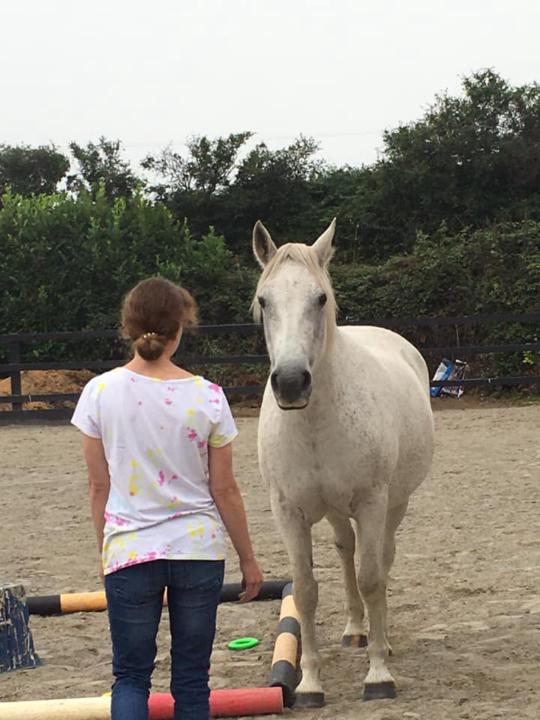
Becoming a Horses Connect Equine-Assisted Learning and Personal Development (EALPD) Coach involves a lot more than knowing and loving horses! It means being ready to learn from them, with them, and through them. Our best coaches bring a balance of horsemanship, humanity, and heart. 1. Genuine Respect and Understanding of Horses You don’t need to be a professional rider or trainer, but you do need to truly understand and respect horses as sentient beings. You’ll already have experience handling horses safely and confidently on the ground, and you’ll know that communication is a two-way process built on trust, awareness, and consistency. You recognise the horse as a partner and teacher, not a tool. 2. Emotional Intelligence and Empathy Equine-assisted work is all about connection. A good EALPD Coach is emotionally aware, able to sense and respond appropriately to others – and that means horses and humans. You’re naturally compassionate, a good listener, and comfortable sitting with silence or strong emotion. You don’t rush to fix; you hold space for growth. 3. Curiosity and Openness to Personal Growth To help others explore their inner world, you must be willing to explore your own. You’ll approach this training as an adventure of self-awareness and transformation, not just a qualification. Our best students are open-minded, reflective, and willing to question old patterns or beliefs. You value learning from feedback, especially from your equine co-coaches! 4. Communication and People Skills You enjoy working with people as much as horses. You can read non-verbal cues, communicate clearly, and build rapport with clients from all walks of life. You bring patience, kindness, and humour to your interactions. You know how to make people feel safe, seen, and supported. 5. Groundedness and Self-Regulation Horses mirror human energy. An effective EALPD Coach can stay calm, centred, and grounded even when others feel unsettled. You understand your own triggers and know how to return to balance, modelling this for clients as part of the learning experience.
1 like • Oct '25
Feel very lucky to have been trained by such beautiful people!!
Oct '25 •
HOW HORSE ARE YOU?
Here's a fun quiz for your Saturday afternoon 😀 Ever wonder which member of the herd you might be? 👀 Take this quick, fun quiz and find out if you’re more herd animal, herd leader, or free spirit! 1️⃣ When you walk into a room full of people, you… A. Pause and observe before joining in 🧐 B. Go straight up and say hello because you love connection 🐴 C. Keep to yourself unless someone draws you in 🕶️ 2️⃣ Someone brings you a surprise project. How do you react? A. Snort first, then sniff it out slowly 👃 B. Jump right in because you’re curious and adaptable 💪 C. You need a minute to decide if it feels safe or not 😅 3️⃣ When someone in your group is upset, you… A. Pick up on their mood instantly 🫶 B. Try to comfort them and help them relax 💗 C. Get a bit unsettled yourself because big feelings ripple through you 🌊 4️⃣ Your ideal day sounds like… A. Hanging with your trusted friends, grazing and chatting 🌾 B. Exploring new places and meeting new people 🌍 C. Quiet time in nature, just being and breathing 🌳 5️⃣ When faced with a challenge, you usually… A. Take a deep breath and feel your feet before acting 🌬️ B. Charge ahead until you figure it out 🐎 C. Wait and watch because you learn by observing first 👀 🐎 RESULTS – Count your letters! Mostly A’s → 🌿 You’re the Sensitive Herd Member You’re intuitive, gentle, and tuned into the emotions of others. You feel the herd energy and help create harmony. Mostly B’s → 🌟 You’re the Confident Lead Mare You’re bold, curious, and lead with heart. You bring direction, confidence, and spark — others naturally follow your energy. Mostly C’s → 🌙 You’re Free-Spirit Horse You value peace, space, and freedom. Independent yet loyal, you thrive when allowed to move at your own rhythm. 💬 Share Your Result Below!👇 Tell us: 1️⃣ Which horse are you? 2️⃣ Which one of your horse-like qualities are you most proud of? 3️⃣ What could you learn from the other types of horse? Let’s see how our herd shapes up! 🐴💫

0 likes • Oct '25
3Bs &2Cs 🙃
1-2 of 2
@joane-jimenez-8434
Swiss/French living in Connemara for 11 years. Joined the Horses Connect Training one year ago. Fantastic new journey and beautiful Horses and peoples
Active 5d ago
Joined Sep 12, 2025
Cashel, Co Galway