Activity
Mon
Wed
Fri
Sun
Aug
Sep
Oct
Nov
Dec
Jan
Feb
Mar
Apr
May
Jun
Jul
What is this?
Less
More
Owned by Jeanne A
Turn scent into your superpower. 5-minute aromatherapy for clearer thinking, calmer days, restful nights. Real results, zero complicated rituals.
Memberships
Skool Extensions 🧩
630 members • Free
Lifestyle Freedom Business
373 members • Free
Natural Living Lab
5.9k members • Free
The Skoolers Library
103 members • Free
Luna’s Little Jungle
24 members • Free
Tune your Self - Sound Healing
259 members • $15/month
Sound Healing Academy
147 members • Free
The Synergy Room 🐝
68 members • $7/month
Essence and Ease Skool
48 members • Free
160 contributions to April Joy Wellness

4d •
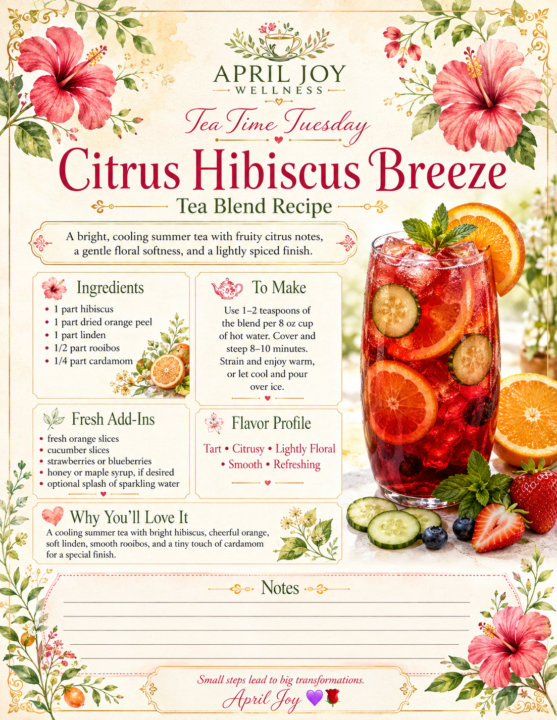
Tea Time Tuesday: Citrus Hibiscus Breeze 11 AM CST 🌺🍊
Happy Tea Time Tuesday, sweet friends. Today’s blend is bright, cooling, refreshing, and perfect for a hot summer day: 𝑪𝒊𝒕𝒓𝒖𝒔 𝑯𝒊𝒃𝒊𝒔𝒄𝒖𝒔 𝑩𝒓𝒆𝒆𝒛𝒆 This one has that beautiful tart hibiscus flavor, cheerful orange, smooth rooibos, soft floral linden, and just a tiny touch of cardamom to make it feel special. It is lovely warm, but honestly, I think this one really shines iced. You could also top it with a splash of sparkling water for a fun little summer mocktail feel. This blend is tart, citrusy, lightly floral, naturally smooth, and refreshing without feeling boring. 𝗔 𝗹𝗶𝘁𝘁𝗹𝗲 𝗵𝗲𝗿𝗯 𝗻𝗼𝘁𝗲: Hibiscus is often loved for its cooling, tart, refreshing nature. Orange peel brings brightness and citrus flavor. Linden adds a soft, calming, floral feel. Rooibos gives the blend a smooth, naturally mellow sweetness. Cardamom adds a tiny citrus-spice finish that makes the whole blend feel a little more special. See you today at 11am CST for our 𝗚𝗲𝗻𝘁𝗹𝗲 𝗿𝗲𝗳𝗹𝗲𝗰𝘁𝗶𝗼𝗻 𝗳𝗼𝗿 𝘁𝗼𝗱𝗮𝘆 What helps me feel refreshed in body, mind, or spirit? Maybe it is tea. Maybe it is quiet. Maybe it is music. Maybe it is fresh air. Maybe it is a cold drink on a hot day. Maybe it is finally giving yourself permission to pause. Your reset does not have to be complicated. Sometimes it can start with one glass of tea and one deep breath. 𝗦𝗮𝗳𝗲𝘁𝘆 𝗻𝗼𝘁𝗲: This is for educational purposes only. Hibiscus may not be right for everyone, especially if you are pregnant, nursing, taking blood pressure medication, managing blood sugar concerns, or taking certain medications. Please check with a qualified healthcare professional if you are unsure whether an herb is right for you. Your turn: Would you drink this one hot, iced, or sparkling? Small steps lead to big transformations. 𝓐𝓹𝓻𝓲𝓵 𝓙𝓸𝔂 💜🌹 Stay positive and kind

2 likes • 3d
I see trying this as a cold brew in my future. I am loving the summer tea blends!
7d •
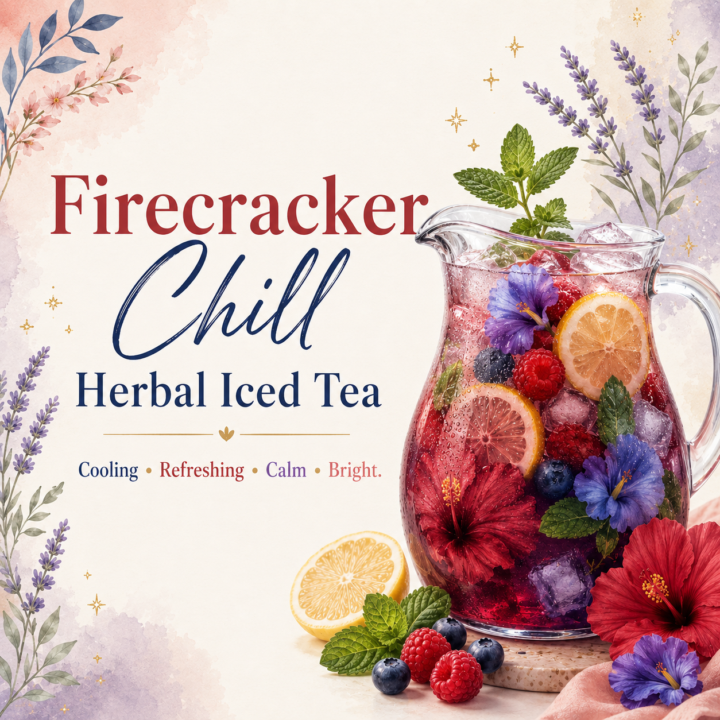
Firecracker Chill Herbal Iced Tea
🇺🇸🌿 Firecracker Chill Herbal Iced Tea I usually share one tea blend a week, but since it’s the 4th of July, I thought we needed a little extra sip of something refreshing. This Firecracker Chill Herbal Iced Tea is cool, bright, and perfect for a hot summer holiday. It has that beautiful blend of: 🌺 Hibiscus 🌿 Lemon balm 🌱 Mint 🍊 Orange peel 💙 Butterfly pea flower 🍓 Berries 🍋 Lemon slices You can make it as an iced tea, pour it over ice, add fresh berries and lemon, or even top it with sparkling water for a fun little herbal mocktail moment. It’s refreshing, colorful, and a sweet way to bring a little calm into all the holiday noise. For educational purposes only. Herbs can interact with medications or health conditions, so always check with a qualified healthcare provider if you’re pregnant, nursing, taking medication, or managing a medical condition. If you try this blend, let me know how you like it! April Joy 💜🌹 Stay positive and kind.
1 like • 3d
I cold brewed this yesterday and I love it! I have a feeling I just might drink the whole 32 oz I infused today!
18d •
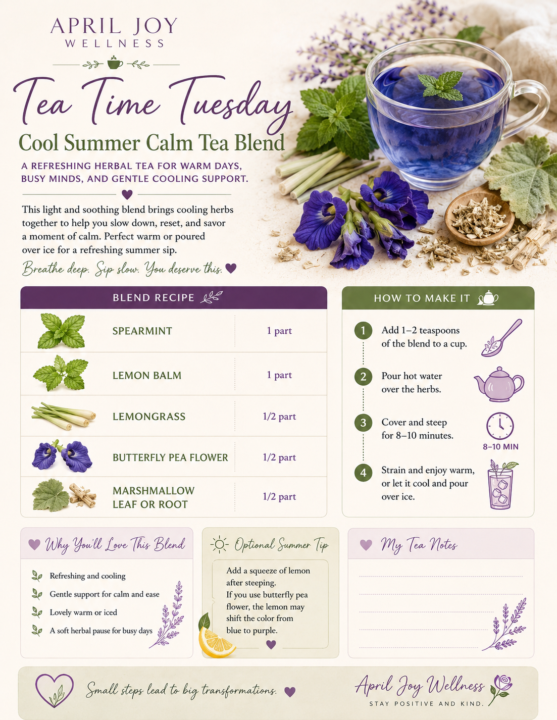
𝑻𝒆𝒂 𝑻𝒊𝒎𝒆 𝑻𝒖𝒆𝒔𝒅𝒂𝒚: 𝑪𝒐𝒐𝒍 𝑺𝒖𝒎𝒎𝒆𝒓 𝑪𝒂𝒍𝒎 𝑻𝒆𝒂 𝑩𝒍𝒆𝒏𝒅 🌿🫖
A refreshing herbal tea for warm days, busy minds, and gentle cooling support. This one uses spearmint + lemon balm as the familiar calm/cooling base, but brings in lemongrass, butterfly pea flower, and marshmallow leaf/root so it feels different from your other blends. 𝑻𝒆𝒂 𝑻𝒊𝒎𝒆 𝑻𝒖𝒆𝒔𝒅𝒂𝒚: 𝑪𝒐𝒐𝒍 𝑺𝒖𝒎𝒎𝒆𝒓 𝑪𝒂𝒍𝒎 𝑻𝒆𝒂 𝑩𝒍𝒆𝒏𝒅 🌿🫖 Good morning, tea friends. Today’s Tea Time Tuesday blend is for those warm summer days when your body feels hot, your mind feels busy, and you just want something that feels refreshing, cooling, and calming. This week’s blend is: 𝑪𝒐𝒐𝒍 𝑺𝒖𝒎𝒎𝒆𝒓 𝑪𝒂𝒍𝒎 𝑻𝒆𝒂 𝑩𝒍𝒆𝒏𝒅 A refreshing herbal tea for warm days, busy minds, and gentle cooling support. This is the kind of tea I would reach for when I want something light, soothing, and easy to sip — especially poured over ice. Today’s blend includes: 🌿 Spearmint — 1 part Cooling, refreshing, and traditionally used to support digestion and freshen the senses. 🌿 Lemon balm — 1 part A gentle, lemony herb traditionally used to support calm, mood, and nervous system balance. 🍋 Lemongrass — ½ part Bright, citrusy, and refreshing with a light summer flavor. 💙 Butterfly pea flower — ½ part A beautiful blue herb traditionally used in tea rituals and often enjoyed for its cooling, calming feel. 🌱 Marshmallow leaf or root — ½ part A soothing herb traditionally used to support moisture and comfort in the body. How to make it: Add 1–2 teaspoons of the blend to a cup. Pour hot water over the herbs. Cover and steep for 8–10 minutes. Strain and enjoy warm, or let it cool and pour over ice. For an iced version, you can add a squeeze of lemon after steeping. If you use butterfly pea flower, the lemon may shift the color from blue to purple, which makes it extra fun. Before you sip, ask yourself: 𝒲𝒽ℯ𝓇ℯ 𝒹ℴ ℐ 𝓃ℯℯ𝒹 𝓉ℴ 𝒸ℴℴ𝓁 𝒹ℴ𝓌𝓃, 𝓈ℴ𝒻𝓉ℯ𝓃, ℴ𝓇 𝓈𝓁ℴ𝓌 𝒹ℴ𝓌𝓃 𝓉ℴ𝒹𝒶𝓎? Maybe your body needs cooling. Maybe your mind needs quiet. Maybe your schedule needs breathing room. Maybe your nervous system needs a softer pace. Maybe you simply need one small moment that belongs to you.
1 like • 13d
I have to try this, it has butterfly pea flower! I need to get some spearmint still, I will substitute with peppermint but I know it will not be the same
1 like • 8d
This cold brewing in my fridge right now, it is going to be hard to wait until tomorrow morning.
12d •
Sunday Reset
Due to unforseen circumstances (dog pooped on bed) I will be washing extra laundry today so the evening Sunday Reset will not be happening today.

2 likes • 12d
Understandable, until next time.
May 16 •
Was Excited Until
I am at an holistic event today and for a brief moment I was thought you were here. What are the chances?
2 likes • May 17
@April Johnson I actually thought it was going to be great to see you today until I realized you do not live here and then I was sad. 😒
1-10 of 160

@jeanne-kargel-9557
Intuition and creating custom blends for people is my favorite thing to do! I have a Skool around simple 5-min aromatherapy tips.
Active 2d ago
Joined Aug 4, 2025
Twin Cities, MN