Activity
Mon
Wed
Fri
Sun
Oct
Nov
Dec
Jan
Feb
Mar
Apr
May
Jun
Jul
Aug
Sep
What is this?
Less
More
Owned by Jay
An interactive platform where you can explore an unparalleled, holistic system to unlock peak performance and awaken human potential.
Mindscape Psychedelic Inst
74 members • Free
Skool Growth Free Training Hub
9.5k members • Free
Skool Course
71.1k members • $29/month
Wealth OS - Coaches
1.1k members • Free
Skoolers
160.5k members • Free
93 contributions to Onyx Elite Performance

15d •
Condor Eagle 🦅
Another beautiful experience on the weekend with presence, connection and heart opening medicine with a strong group of men from our Community 🥰🔥🪶.
2
0

24d •
Ankorr Harness 🔥
A brief clip of a powerful moment on our last Satori Elite, Alchemy Retreat in Bali. After an intense conditioning stimulus each participant experienced the Ankorr harness. A symbolic reflection of being held back, the shackles of life, self created obstacles that can play a role in keeping us small and disconnected from self. A deep process that requires a brave, courageous soul willing to explore their limits and allow themselves to be seen in a vulnerable state from all those in the group that follow. @michael.j.whittaker entered the harness first and set the tone in the most beautiful of ways. Primal !! Proud of you Brother 🙏 The Warrior archetype represents strength, courage, and the ability to overcome obstacles. However, like all archetypes, it also has its shadow side. A spiritual warrior is like a skilled archer who aims for the target of enlightenment. Instead of arrows, they shoot down their own ego and desires. They battle not with swords, but with inner peace and wisdom. They fight not against others, but against their own ignorance and illusions. The warrior is not merely a soldier of conflict but a guardian of the soul’s integrity. Rooted in courage, discipline, and unwavering commitment, the warrior archetype embodies the energy to confront inner chaos and external challenges with clarity and purpose. This archetype is not defined by brute force but by its ability to discern when to act and when to hold ground, mastering both power and restraint. The warrior defends the boundaries of the self, protecting what is sacred and cutting away what no longer serves. It is the force that stands against fear and complacency, wielding decisiveness like a blade, carving a path to personal growth. A force of clarity, discipline, and truth. It is the part of you that burns through illusion. Confronts and walks towards fear. Stands for meaning. Cuts away what no longer serves. He protects what is sacred The Warrior isn’t awakened through thought but through breath, sweat, discipline, and surrender.
3
0

Jul 25 •
Shadow Work - Alchemy Retreat, Bali
The Most Dangerous Work You’ll Ever Do on Yourself The Shadow is not simply your “dark side.” It is the totality of everything you’ve been taught, conditioned, or forced to disown about yourself. It includes rage, lust, greed, and cruelty yes. But it also includes your genius, your magnetism, your wildness, your joy, and your power. Jung described the Shadow as the part of the psyche that the ego refuses to acknowledge. It forms in childhood as a survival strategy: This part of me is unacceptable to the people I depend on for survival. So it gets buried into the unconscious, where it doesn’t disappear. It compounds. The Golden Shadow - Reclaiming Your Buried Gold While everyone can grasp that their dark impulses are suppressed, far fewer realise that their greatest gifts, power, and beauty have been equally buried. The golden shadow forms when the environment communicates, directly or indirectly, that being too brilliant, too powerful, too magnetic, too much is dangerous. Maybe you outshone a parent and sensed their discomfort. Maybe your gifts were used to exploit you. So you gave your gold away to mentors you worship, to celebrities you’re obsessed with, to people you feel inexplicably inferior to. This is not the end of the path. It is the beginning of the real one. There’s layers to our retreat offerings and this is but one beautiful component curated throughout our journeys.
3
0

Jul 23 •
Alchemy Retreat, Sumberkima Hill, Bali
Some moments captured during our recent Alchemy Retreat in Bali. Another immersive deep dive and beautiful insights into the human experience. Connecting with other humans at a soul level and priming a space to explore all parts of self can create such a a profound catalyst for wholeness and an undeniable glimmer into authenticity. New Bali dates will be announced soon 🌴 🪶

Jun 25 •
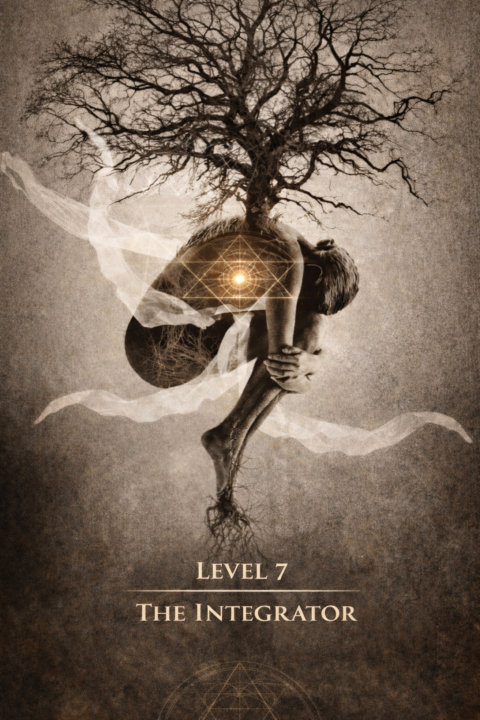
Level 7 - The Integrator Unlocked
Shadow • Ego • Polarity • Soul • Self-Responsibility Level 6 forged pressure capacity. Level 7 integrates shadow, polarity, identity and soul. This is no longer performance enhancement. This is individuation. Level 6 trained stress. Level 7 teaches you how to metabolise it. This is where: Ego meets Self. Trigger meets awareness. Shadow becomes gold. Addiction becomes insight. This phase moves through eight modules — Inner Inquiry, Psychology of the Masculine, Masculine & Feminine Dynamics, Embodied Awakening, The Ego vs The Self, Shadow & Golden Shadow, Dream Analysis, and Integration Synthesis. The check-ins below are how you keep that work honest and lived between sessions. As Hollis reminds us: what you do not embody, you forget and repeat. Welcome to Level 7 - @Ross Jones @Matt Dixon @Brad Triplett @Steven Chapelhow @Janki Shah @Brady Watt 👊
2
0
1-10 of 93

@jay-gray-1244
An unparalleled, holistic system for peak performance.
Join our community and experience Onyx Elite’s offerings for awakening human potential.
Active 8h ago
Joined Apr 5, 2025
Powered by