Activity
Mon
Wed
Fri
Sun
Jan
Feb
Mar
Apr
May
Jun
Jul
Aug
Sep
Oct
Nov
What is this?
Less
More
Memberships
Your Land Is Gold
16 members • Free
Multifamily Strategy Community
2.4k members • Free
Landlord Legends
62 members • Free
Rent By Room
64 members • Free
One Rental at a Time
512 members • $20/m
19 contributions to Your Land Is Gold
5h •
12.4.25 Mastermind Replay Is Now Available
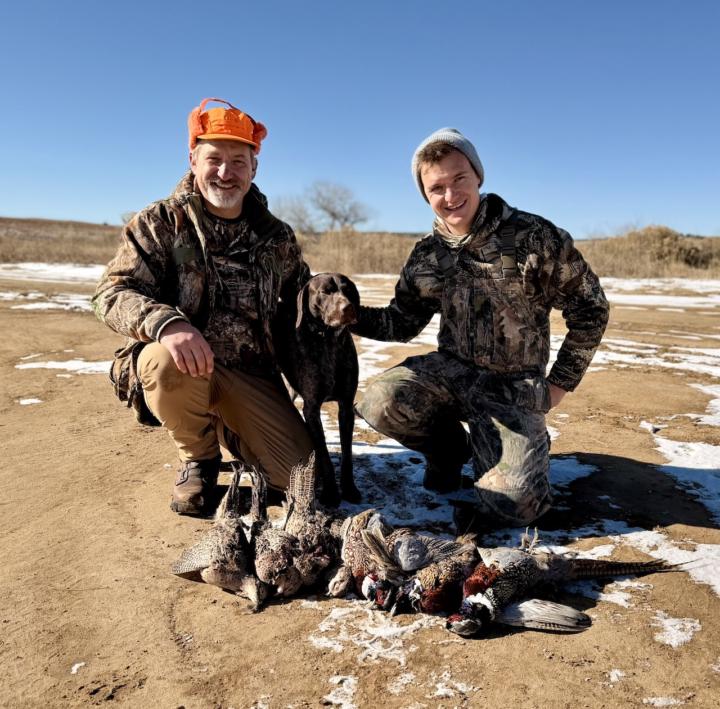
Tonight's Mastermind was a blast, and the replay is now up: https://www.skool.com/gold/classroom/a51c84c0?md=3ccb11d8c46147eea31043dbb1376d74 The real highlight? Todd Wynne-Parry crashing our party. Todd is one of the strongest voices in the glamping world — thoughtful, experienced, plugged into the industry in ways most of us only hope to be. Having him in our midst was a gift. And it continues: I’ll be duck hunting with him in the morning (pics incoming), then spending the afternoon with him at the Pikes Peak operation Aramark runs here in Colorado Springs. Aramark is a massive publicly traded company, and Todd has been open about his interest in acquiring operations like Monument Glamping. I’m grateful for the time with him and I’ll share what comes of our conversations. Before I signed off, I gave a small reminder about posting here in the community — and it’s worth repeating. Your content doesn’t need to be polished, perfect, or strategic. It can be whatever is happening right now. Anything that crosses your desk… post it. That’s the magic of this group. We’re looking over each other’s shoulders as we figure out how to turn our land into gold. The day-by-day trials, wins, questions, or weird little discoveries — those are the things that help all of us. So keep sharing. We’re better for it.
0 likes • 4h
Thank you for your time and commitment as well thank Todd for his input I love the van Strategy he suggested
3d •
Amenity Operations: What Yesterday’s Pheasant Hunt Taught Me About Glamping
Micah and I spent yesterday at Rocky Mountain Roosters, a pheasant hunting preserve about thirty-five minutes from what will become MG2. The original idea was simple: get a sense of what “amenity-based operations” look like up close. Turns out, the place was a masterclass. Here are the take-aways Micah and I wrote down: - Identity matters. Their lodge wasn’t fancy, but it was unmistakably “them.” - The big wall map gave structure to the entire visit and invited curiosity. - Dogs and photo spots created connection and shareable moments. - Small touches — candy jars, old photos, rustic signs — added personality. - Functionality was built into every corner: check-in, seating, traffic flow. - Sitting areas (inside and out) encouraged people to slow down and hang out. - A simple liability waiver handled risk without overcomplicating the operation. - Micro-experiences (like watching the dogs work) elevated perceived value. - The lodge served as the anchor for everything else on the property. So how does this translate to a glamping business? Amenities are what transform a glamping site into a place. Not a park. Not a campground. A place. Here’s the way forward for Monument Glamping: - Create small gathering spaces with intention: stargazing benches, scenic lookout chairs, hammock clusters. - Build a “welcome lodge” (small footprint, big personality) that becomes the emotional center of the stay. - Introduce micro-experiences: sunset walks, coffee tastings, fireside evenings, curated trails. - Develop a large map display showing the land, the story, and future plans. - Enhance the property’s identity through décor, signage, and subtle storytelling. - Build warm, social “linger spaces” that naturally extend guest stays. - Offer pet-friendly bonuses and photo-friendly moments that make the experience feel personal. If you’re developing your own site, don’t think “amenities = expensive builds.” Think layers of experience. A couple of smart, intentional additions can change the way people feel about your land — and that feeling is what drives bookings, reviews, and long-term success.
1 like • 3d
One of my goals for 2026 is to stay at as many glamp sites as possible with my time availability I will shoot for 1 a quarter hopefully in September Monument glamping will be one along with the Glamping show 2025
1 like • 2d
@Chris Jeub how soon before should I book I'm planning coming in early on the 28th and leaving late on the first October do I go on your website cab it be booked out that far in advance
5d •
8 week on you tube
@Chris Jeub I've been following as they have come out week 7 just poped up but i have not seen week 6 PS TY for putting this out
0 likes • 5d
@Chris Jeub ty kind sir
6d •
Poll: What's Your December Looking Like?
December is just around the corner. It has a funny energy to it, doesn’t it? Part reflection, part planning, part “okay… what now?” As we all push toward the end of the year in Your Land Is Gold, I want to get a quick sense of what you’re focusing on during this last stretch. This isn’t a test — it’s just a pulse check so I know how to support you best as we head into 2026. Take a moment and choose the option that fits where your head is at right now:
Poll
6 members have voted
2 likes • 6d
My primary goal is to finish my BRRRRs for December get the rentend and refinanced for 2026 Get 3rd Brrrrr completed then purchase and complete 3 to 4 more Brrrrrs For Glamping continue research work on a business plan, SOP's, create rough drawings and designs for 10 sites create a General plan for my community areas and Amenities Keep an eye out for a property in the 2 areas I'm thinking about that might be able to combine all of what I want to do as investments
3 likes • 6d
I'm of the mindset that I need to get some financial stability first with value-add projects and optimize my construction business with real estate and homeowner remodels before I put a lot of money into Glamping My time is just as valuable to me as the cash
7d •
Doing more glamping research
@Chris Jeub have You done any follow up with Zach Stoltenberg's project Im very interested in his project and the work he does
0 likes • 7d
I might be or at least a conversation so I can get direction for what my ideas are. Have you received after a year where his project is at. as well, I had A big question the pond would seem you have a potential flood hazard to the neighbor was curious if that was brought up
1-10 of 19
@james-van-tassel-3305
Self employed contractor 31 years 37 years in construction
Newbee
taking my work ethic and knowledge to help get myself to financial freedom
Active 4h ago
Joined Nov 4, 2025
Sacramento CA
Powered by