Activity
Mon
Wed
Fri
Sun
Apr
May
Jun
Jul
Aug
Sep
Oct
Nov
Dec
Jan
Feb
Mar
What is this?
Less
More
Memberships
The Watch Manual
16 members • Free
1 contribution to The Watch Manual

15d •
History vs. Artistry: The "Relic" Debate in 2026 🕰️
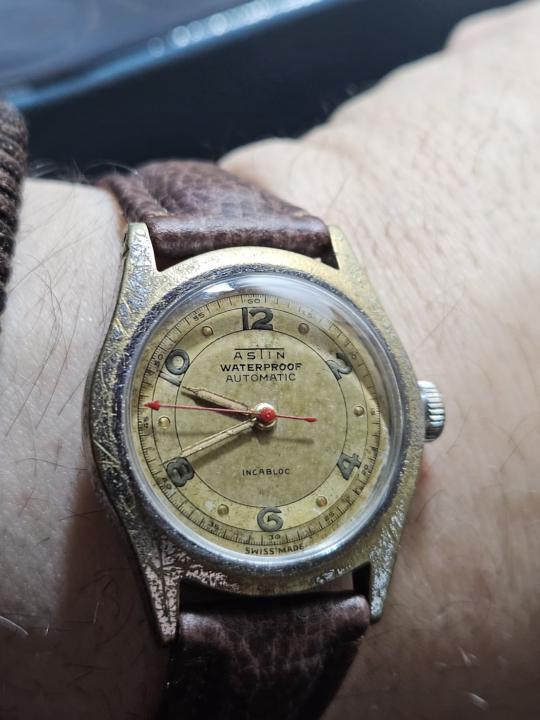
As we move further into 2026, the watch world has reached a fascinating crossroads. We’ve collectively moved away from the obsession with "factory-fresh" perfection and polished steel that characterized the early twenties. Today, the most desirable trait a timepiece can possess isn't a high resale value—it’s soul. This has led to the rise of the "Relic" style: the deliberate, artificial aging of a watch to give it that "weathered" look of a vintage piece that has seen decades of adventure. But as any true enthusiast knows, there is a world of difference between buying a story and owning history. The "Artificial" Relic: Buying the Look Influenced by the world of high-end guitars, some brands now offer "distressed" finishes. They use chemicals to fade bezels into "ghost" greys and ovens to bake dials into "tropical" browns. It’s an aesthetic choice—an artistry that offers the vintage vibe with the reliability of a modern movement. In an era of "Quiet Luxury," it’s an easy way to avoid the "shiny and new" look that feels a bit too loud for current tastes. The "Natural" Relic: The True Patina Then, there is the real thing. Look at the Astin in the photo. This isn't "fauxtina" - the result of a technician with a blowtorch or a bottle of acid. This is natural patina: the honest, slow-motion chemistry and grinding of time. - The Case: Every scratch is a memory, an accidental encounter with a doorframe or a suitcase. - The Dial: That warm, parchment-like hue? That’s decades of sunlight and oxygen doing their work. - The Hands: The subtle oxidation isn't a "flaw"—it’s the watch’s fingerprint. Why it Matters Now In 2026, true prestige is measured by technical literacy. Anyone with a credit card can buy a watch that looks old. But it takes a "thinking collector" to appreciate the difference between a manufactured effect and a life well-lived. The market is normalizing, and as the hype bubbles burst, we are returning to pieces that tell a genuine story. A watch like this Astin doesn't need to shout about its price tag; its character speaks for itself.

1 like • 15d
Greetings, Franz. Insightful observation, as always. I remember Spinnaker Watches contributed to this trend back in 2019 with their Wreck series. It seems to have sold well as several colorways are still being sold. Their latest Spinnaker Wreck Automatic Barnacle seems to take the concept a bit further, with heavier distressing on the dial. I rather like the aesthetic and could easily imagine one on my wrist for everyday carry.
1-1 of 1