Activity
Mon
Wed
Fri
Sun
Jul
Aug
Sep
Oct
Nov
Dec
Jan
Feb
Mar
Apr
May
What is this?
Less
More

Owned by Jim

Oasis Builders

128 members • Free

Oasis Builders helps busy families grow healthy food, herbs for medicine, and gain calm confidence for everyday readiness.

Memberships

Faith & Flowers

15 members • Free

30 contributions to DIY Gardening
Yay or Nay?
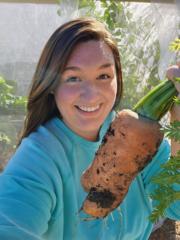
🥬Google Lens says Wild Lettuce🥬 Dug this huge sucker out of a raised bed at one of the community gardens in town. Google says it's a bit bitter but the roots are medicinal. ❓Do you know how to prepare the roots❓ ❓Are the greens safe to eat❓ The last thing I want to do is ☠️ poison ☠️ myself. 😆 However, my gardening goal is to be able to identify more wild grown plants. As well as grow and use medicinal herbs to help my chronic illness.
Yay or Nay?
0 likes • 8h
I agree with a little bitter... I typically stir fry or us in soups...
Selecting an Herb
Over the next week or so I will post snipetts on how to select an herb in relation to body type. Our first step is understanding our constitution. Constitution is the larger pattern a person tends to carry in their body, digestion, energy, stress response, sleep, skin, emotions, and seasonal rhythm. One way of several to understand your constitution is to understand your Dosha. In herbalism we must understand what body system we want to affect, primary action you would like to solve, the energetic quality of herbs, and the cautions for preexisting conditions or allergies before we select an herb to use. Undertsanding Doshas is a good stepping ground. What is your Dosha? Post below with the nearest city to you or state if you are shy... Climate also affects the herb choices...
0 likes • 8h
@Lynda Suen Kapha is earth and water, with qualities described as heavy, cold, oily, slow, soft, dense, and damp. Kapha often dislikes cold and damp, which fits Inverness well. Remember that herbs can be used daily in cooking for benefits as well as making teas. Also watch contradictions, it is not a no use indication but a use with caution. For example, a friend was on high blood pressure medication. We pulled a Hawthorne tea blend together which also addressed her hot nature. She drank small doses while watching her blood pressure. As her blood pressure lowered, she weaned herself off the medicine with physician blessing. The best daily tea herbs here would be Ginger, Krishna Tulsi, Rosemary, Thyme, Cardamon, Cinnamon, Dandelion, Nettle and Sage.
1 like • 8h
@Lynda Suen Sounds good... I made a post so others can see easily...
Scottish Spring Hearth Tea
@Lynda Suen Kapha is earth and water, with qualities described as heavy, cold, oily, slow, soft, dense, and damp. Kapha often dislikes cold and damp, which fits Inverness well. Remember that herbs can be used daily in cooking for benefits as well as making teas. Also watch contradictions, it is not a no use indication but a use with caution. For example, a friend was on high blood pressure medication. We pulled a Hawthorne tea blend together which also addressed her hot nature. She drank small doses while watching her blood pressure. As her blood pressure lowered, she weaned herself off the medicine with physician blessing. The best daily tea herbs here would be Ginger, Krishna Tulsi, Rosemary, Thyme, Cardamon, Cinnamon, Dandelion, Nettle and Sage.
2
0
Stillwater Vata-Pitta Evening Tea
@Dianna Doblosky The strongest direction for Vata-Pitta with past trauma is not to “lift mood fast,” but “restore safety in the body.” That points toward gentle nervines, mineral support, moistening herbs, and only light adaptogens so we do not push an already alert system harder. The best herbal direction is warm enough to ground Vata, cool enough not to inflame Pitta, moistening enough to soften depletion, and gentle enough not to overstimulate trauma-sensitive wiring. Best support herbs are Oat Straw or Milky Oats, Lemon Balm, Chamomile, Rose petals or rosehips, Linden flower, Tulsi, small amount, Passionflower, mostly evening, Lavender, tiny amount.
Vata - Kapha
@Candy Walsh For a Vata-Kapha person in Texas with chronic illness, pain, and inflammation, common practice would keep the approach gentle, warming enough to move stiffness, moistening enough to protect Vata, and not too heating because Texas is already warm this time in May so the blend should not be overly spicy or drying. This blend should not chase pain but support the whole body. Whole-body support includes digestion, elimination, circulation, and general resilience, not just symptom suppression. This is in no way medical advice. This is common knowledge found through research. Please discuss with your naturalist physician with caution for current medication interactions. The research includes common cautions to be aware of. Base daily support:Nettle, oatstraw, tulsi, ginger, turmeric, fennel, and spearmint. Why this fits:Nettle helps mineral support, inflammation patterns, and gentle elimination. Oatstraw helps soften the dryness and nervous depletion that can come with Vata and chronic illness. Tulsi helps Kapha stagnation, stress response, and mental heaviness. Ginger gently warms digestion and circulation. Turmeric supports inflammatory patterns, although it should be kept moderate with chronic illness. Fennel protects digestion. Spearmint keeps the blend from becoming too hot for Texas.
1-10 of 30
Jim Flach
4
44points to level up
@james-flach-4044
Off-grid dad turned healthcare builder and disaster planner, now sharing calm, practical ways to grow food, use herbs, and build family readiness.

Online now
Joined May 8, 2026
ENTP
Cookeville, TN 38506
Powered by