Activity
Mon
Wed
Fri
Sun
Aug
Sep
Oct
Nov
Dec
Jan
Feb
Mar
Apr
May
Jun
What is this?
Less
More
Owned by Heather Maír
Anxious about singing? Non-singers/beginners/nervous voices are safe here. Singing as self-care with holistic vocal coach, Heather Maîr Thomas
Memberships
The Black Archive
12 members • $3/month
1 contribution to The Black Archive
May 12 •
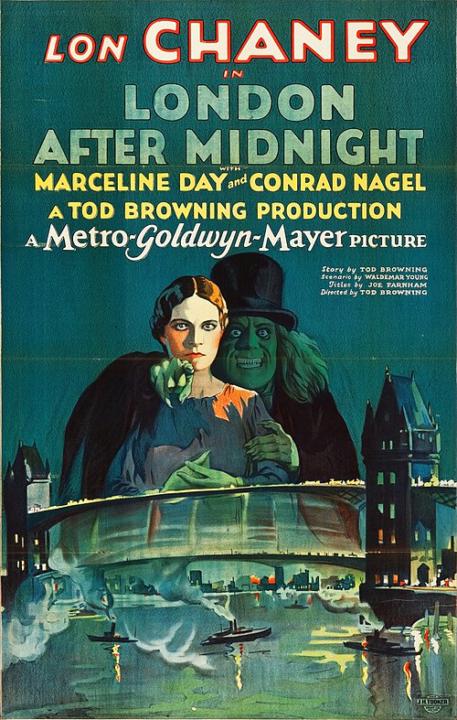
London After Midnight
The strange thing about lost films is that they become more vivid in the imagination than the surviving ones. Nobody lies awake at night mourning the existence of a perfectly accessible romantic comedy from 1998. But mention the title London After Midnight and a certain kind of person — usually male, usually over forty, usually in possession of several shelves of vinyl records and at least one coat bought from a military surplus store in Camden in 1987 — will lean forward with an almost devotional intensity. Perhaps it is because absence lends glamour to mediocrity. The film itself, by most surviving accounts, was less a masterpiece than an agreeably lurid parlour game: a murder mystery disguised as a vampire story, directed by Tod Browning and starring Lon Chaney in a dual role that allowed him to display the full grotesque elasticity of his face. The plot concerns the apparent suicide of a wealthy man in a gloomy London townhouse, and the subsequent arrival — five years later — of two vampiric figures who take up residence opposite the scene of the death. One is Chaney’s cadaverous “Man in the Beaver Hat”, with his needle teeth, funereal cape and eyes widened into a kind of ecstatic derangement; the other a pale young woman who glides silently through corridors and appears at windows with dreamlike menace. Soon the surviving members of the dead man’s household begin to crack under the strain. Doors open in the night. Shadows move across staircases. A bedridden witness becomes convinced he is being haunted. Scotland Yard, naturally, dispatches an inspector whose methods involve less forensic science than elaborate psychological theatre. The delicious absurdity of the film lies in the fact that none of this finally has anything to do with the supernatural. Browning, with a kind of schoolboy perversity, reveals the vampires to be part of an intricate performance staged in order to terrify the guilty party into confession. It is Scooby-Doo by way of German Expressionism.

2 likes • May 12
You describe my brother in law to a tee… (records, army surplus etc…) 🤣
1-1 of 1

@heather-mair-thomas-2932
Award-winning holistic voice coach, conservatoire trained vocalist. Created Sing Therapy™, transformative vocal freedom method. Proud Cornishwoman.
Active 1d ago
Joined May 12, 2026
London UK