Activity
Mon
Wed
Fri
Sun
Sep
Oct
Nov
Dec
Jan
Feb
Mar
Apr
May
Jun
Jul
What is this?
Less
More
Owned by Heather
If you're a business owner ready to be seen... ready to get in the game, to test your pitch, and get honest feedback, this is your spot. Join now.
Memberships
Bye Bye Menopause Weight
196 members • Free
The Regulated Leader
91 members • Free
47 contributions to Plant'd

🔥
Jun 16 •
I need a little garden inspo ...
Share your garden pics below! I'd love to see the layout and size. Can be flower or veggie garden!

🔥
2 likes • 6d
@Alexandra Brito takes time!

Jun 4 •
Garden tips
Good morning! Hope everyone is having a great start to thier summer! Whats something you learned that you wish you always knew... Like laying tomatoes down when you plant them gives them a stronger base... Put your tips n tricks below!

🔥
2 likes • Jun 12
My tip is to let the hubby do it ... He enjoys it way more than I do!
May 24 •
Wasps N Cacti 🌵🐝
If you see wasps swarming all over unbloomed cactus buds, they aren't waiting around for the flower to open. They are actually harvesting a highly targeted, sweet treat provided by the cactus itself through a biological trick called extrafloral nectaries (EFNs). Here is exactly what is happening: 1. The "Secret" Nectar Glands Most people assume plants only make nectar deep inside fully open flowers to attract pollinators like bees. However, many cacti (especially barrel cacti, opuntias/prickly pears, and chollas) possess extrafloral nectaries—specialized glands located outside the flower, often right on the bud scales, stem tissue, or modified spines. These glands actively secrete a sugary, nutrient-rich liquid long before the bud actually opens. 2. Hiring Visual "Bodyguards" Cacti don't produce this nectar out of generosity; it's a defensive strategy. Unbloomed buds are tender, moisture-rich, and highly attractive to pests like caterpillars, sap-sucking bugs, and beetles. By pumping out nectar on the outside of the bud, the cactus intentionally recruits aggressive, predatory insects like wasps and ants. The wasps claim the cactus as a prime feeding territory. While drinking the nectar, the wasps will fiercely attack, kill, or drive away any other insects trying to chew on the unbloomed buds. 3. Quick Energy for Adult Wasps While wasp larvae eat protein (insects), adult wasps primarily live on pure carbohydrates for energy. The exposed, easily accessible sugar droplets on unbloomed cactus buds provide a massive, low-effort energy boost for foraging adults. Once the buds finally bloom, the cactus will stop fueling these exterior glands and shift its energy to inside the flower to attract standard pollinators. Until then, the wasps are just doing their job as hired security!

🔥
1 like • May 24
Very interesting!

🔥
May 18 •
SOS 🤑🌳
I think I'm killing my money tree.... I KEEP forgetting to water her she now has spores on her soil and yet is dry?! only I could mkae a plant dead from wetness and dryness lmao She's still kickin but not looking good 😬 I have a feeling it needs to be completely cleaned off and repotted into somehting bigger with room to breathe any help is appreciated! 🙏

🔥
3 likes • May 18
@Amy Locks would definitely know what to do here!
Apr 28 •
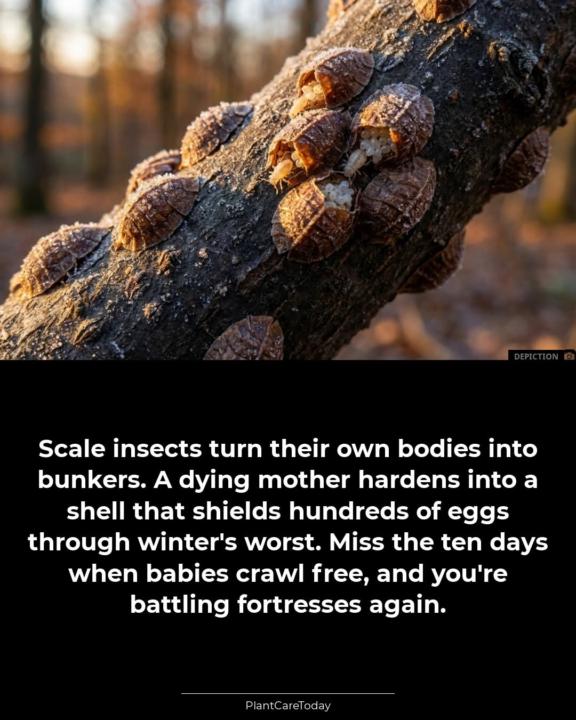
Scale
We were just talking about scale the other day, and I came across this. What are some tips n tricks that has worked for you getting g rid of scale?
🔥
2 likes • Apr 28
[attachment]
1-10 of 47

🔥
@heather-boers
Your network is your net worth 🧭
Building connections that create visibility, opportunities, and growth.
Active 10m ago
Joined Jul 8, 2025
Three Lakes, WI