Activity
Mon
Wed
Fri
Sun
Jul
Aug
Sep
Oct
Nov
Dec
Jan
Feb
Mar
Apr
May
Jun
What is this?
Less
More
Owned by Genesis
A training ground to grow elite communication skills, build magnetic presence and turn our story into a tool to inspire others and grow your career.
41 contributions to Main Character Lab

5d •
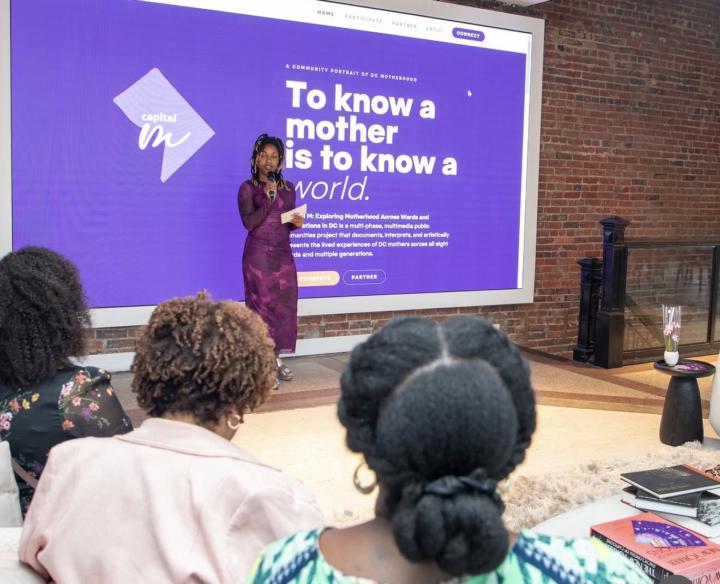
🏆 COMMUNITY WIN — Let's celebrate Founding Member Charlia Acree!
@Charlia Acree just launched Capital M, a multimedia public humanities project documenting the lived experiences of DC mothers across all eight wards and multiple generations — and we are SO proud! She recently presented the project at its launch event in Penn Quarter, and this thing is moving. From oral history interviews to a culminating community art exhibition, Charlia is using her voice and her story to honor the women who hold Washington, DC together. This is exactly what Main Character energy looks like — vision, heart, and execution on full display. Using our voices & our confidence to serve the communities that matter to us most! Go show her some love and check out the project at https://www.capitalmdc.com/ !
6d •
Working on it!
Man, going through these exercises is really helping me to think in a different way about public speaking or presentations for young adults (my audience). How I can empower them, not just inspire them.
1 like • 6d
I'm glad you're taking full advantage of the tools here! Can't wait to hear what you're working on.
8d •
New Series Launched! Dating + Communication (10 Video Series)
Happy Monday MCs! How's everyone feeling? Me? I'm writing this from my bed — COVID hit me like a truck this week. Three days in and I'm finally on an upward turn, but ya'll please be careful out there. It is absolutely still floating around. ANYWAY — sick or not, we're moving! 🚀 I'm excited to announce we just dropped the first video in our brand new Dating + Communication series — "How To Be Attractive Without Playing Games." This series is all about building the internal foundation that makes connection feel natural — self-regulation, genuine presence, and the kind of confidence that doesn't need to perform. We're dropping one video every week so make sure you're subscribed on YouTube so you don't miss a thing. Go watch it, share it, and come back here and tell me what landed for you. Drop your thoughts in the comments — I want to hear from you!
1 like • 8d
@Eve Shulmister Absolutely! I have a video about handling rejection with grace that I think you'll really appreciate. I don't see that subject taught enough
19d •
Why Two People Can Say the Same Thing… And They Both Hit Different
Good morning MCs, hope everyone had a restful & productive week. I'm writing you from Mississippi, where I'll be attending my niece's high school graduation today! It's a bit dreary here, as you can see in my selfie. Anyhow, I wanted to share the latest video from our YouTube Channel and wanted to get your thoughts on it. This one was fun to shoot because I had to get in my "acting" bag a little bit lol In this video, I explore how power in communication isn't about being louder, but about clarity, connection, and directness. We dive into the nuances of communication skills, highlighting how elements like conversational pace can impact your message.
1 like • 17d
@Rhianna Basore thanks for that reflection. I like that phrase you shared! The acting teachers be havin the answers lol
1 like • 12d
@Eve Shulmister for sure Eve! It’s hard for me to practice this in the heat of the moment, but I’ve gotten better over time. Sometimes I’ll gently bite the inside of my cheek when I feel activated or feel an urge to rush. It reminds me to thinking deeper before responding

26d •
Thrilled to be here
Hello, Main Characters! I’m so excited to be here so I can grow my confidence around showing up on video as myself (not a character) and figuring out how to craft and pitch my speaking. I’m an actor, writer, producer/filmmaker and money coach for creative geniuses. Please let me know if there’s any way I can help you on your journey! I love growing together. ❤️
1 like • 25d
Welcome Rhianna, we're happy you are here!
1-10 of 41
Active 13h ago
Joined Dec 2, 2025
Powered by