Activity
Mon
Wed
Fri
Sun
May
Jun
Jul
Aug
Sep
Oct
Nov
Dec
Jan
Feb
Mar
Apr
What is this?
Less
More
Owned by Sindi
Explore your family roots and learn about genealogy from an interested community. Welcome.
Wisdom Warriors is a open and welcoming community for exploring life as we age, sharing life stories, and making connections.
Memberships
Doing Business Right
5 members • Free
Pinterest Skool
3.8k members • Free
Skool Network 💲💰📈💰💲
102 members • Free
Speaking Mastery
158 members • $49/month
Fans of NFL Football
40 members • Free
DBR Single Entrepreneurs
152 members • Free
DBR Bookkeeping
30 members • $199/month
The Relationship Chef
94 members • Free
the skool CLASSIFIEDS
1.7k members • Free
222 contributions to AGE WELL NETWORK


1 like • Feb 2
Hi there David. Sorry I didn't see your post earlier. Glad you are doing well. I'm 74 and inspired to see you are so young and hanging around Skool. Have a great day!

Feb 2 •
💪 Motivation Monday Pep Talk
💪 Every small step counts 💪 Every effort matters 💪 Every day you show up, you are doing something right. 𝐅𝐢𝐧𝐢𝐬𝐡 𝐭𝐡𝐢𝐬 𝐬𝐞𝐧𝐭𝐞𝐧𝐜𝐞: Today I choose to take care of myself by ______ 𝐅𝐢𝐥𝐥 𝐢𝐧 𝐭𝐡𝐞 𝐛𝐥𝐚𝐧𝐤 𝐚𝐧𝐝 𝐢𝐧𝐬𝐩𝐢𝐫𝐞 𝐬𝐨𝐦𝐞𝐨𝐧𝐞 𝐞𝐥𝐬𝐞 🌱✨

5 likes • Feb 2
Sticking to my guns and getting the things I wanted to get done... done. It's been a good day for me.
Feb 2 •
🌻 Motivation Monday Community Love
"𝑆𝑜𝑚𝑒𝑡𝑖𝑚𝑒𝑠 𝑚𝑜𝑡𝑖𝑣𝑎𝑡𝑖𝑜𝑛 𝑐𝑜𝑚𝑒𝑠 𝑓𝑟𝑜𝑚 𝑒𝑎𝑐ℎ 𝑜𝑡ℎ𝑒𝑟." 💖Tag or mention someone in this group who inspires you. 💖Tell them why their presence matters Let’s start the week lifting each other 💬💞

4 likes • Feb 2
I think I need to recognize you @Tom Hickerson for always being here and inspiring us to keep going, think about our own health and fitness with just a caring and loving tone. Thank you for inspiring me to do a little more.
Feb 2 •
🎉 And We Have Our Winners! 🎉
𝐀 𝐡𝐮𝐠𝐞 𝐜𝐨𝐧𝐠𝐫𝐚𝐭𝐮𝐥𝐚𝐭𝐢𝐨𝐧𝐬 𝐭𝐨 𝐨𝐮𝐫 𝐰𝐢𝐧𝐧𝐞𝐫𝐬 𝐭𝐡𝐢𝐬 𝐫𝐨𝐮𝐧𝐝: 🏆 @Anna Murrietta 🏆 @Sindi McGuire 🏆@Candace Ramsey Please join me in celebrating them for their participation and contribution to our community! I also want to give a BIG thank you to everyone who participated, liked, commented, and supported each other. This community keeps growing because of YOU. Your engagement, kindness, and willingness to share truly make Age Well Network special. ❤️ Every interaction helps inspire others to stay active, connected, and focused on aging well. 👉 Winners will be contacted privately with details on how to receive their prize. Stay tuned for the next challenge… it might be YOU next time!

4 likes • Feb 2
Totally surprised, thank you.
Jan 26 •
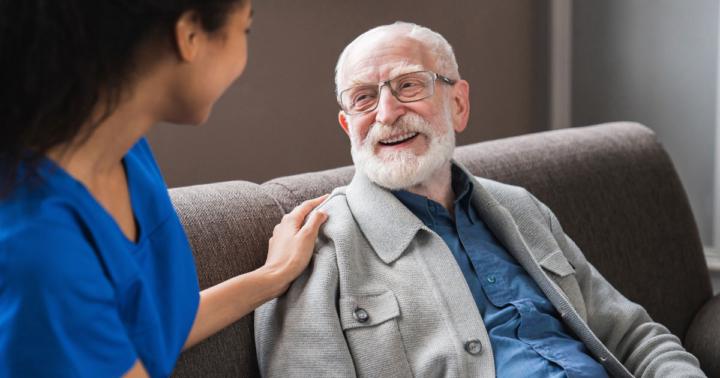
Understanding the Mental Health of Older Adults
As people live longer, mental health in later life is becoming more important than ever. Aging brings many changes, including retirement, shifts in social roles, and physical health challenges. While many older adults maintain strong emotional well-being, others face mental health conditions that often go unnoticed or untreated. Addressing mental health openly helps promote dignity, independence, and quality of life as we age. 𝐖𝐡𝐲 𝐌𝐞𝐧𝐭𝐚𝐥 𝐇𝐞𝐚𝐥𝐭𝐡 𝐌𝐚𝐭𝐭𝐞𝐫𝐬 𝐢𝐧 𝐋𝐚𝐭𝐞𝐫 𝐋𝐢𝐟𝐞 Older adults contribute wisdom, experience, and stability to families and communities. However, mental health challenges such as depression and anxiety affect a meaningful portion of people over the age of 65. These conditions can limit daily functioning, reduce motivation, and increase the risk of physical illness. Unfortunately, symptoms are sometimes mistaken for normal aging, which delays support and care. Stigma around mental health can also discourage open conversations and help-seeking. 𝐂𝐨𝐦𝐦𝐨𝐧 𝐑𝐢𝐬𝐤 𝐅𝐚𝐜𝐭𝐨𝐫𝐬 𝐟𝐨𝐫 𝐌𝐞𝐧𝐭𝐚𝐥 𝐇𝐞𝐚𝐥𝐭𝐡 𝐂𝐡𝐚𝐥𝐥𝐞𝐧𝐠𝐞𝐬 Life experiences and changing circumstances shape mental health in older age. Loss of loved ones, reduced mobility, chronic illness, and financial stress can all impact emotional well-being. Social isolation and loneliness are compelling risk factors. When regular social interactions decrease, feelings of sadness and anxiety often increase. Age-related discrimination can further harm mental health. Negative stereotypes may cause older adults to feel undervalued or excluded. In addition, abuse of older adults remains a serious concern. Emotional, physical, or financial mistreatment can lead to lasting psychological distress and erode trust and self-confidence. 𝐒𝐮𝐩𝐩𝐨𝐫𝐭𝐢𝐧𝐠 𝐌𝐞𝐧𝐭𝐚𝐥 𝐖𝐞𝐥𝐥-𝐁𝐞𝐢𝐧𝐠 Promoting mental well-being goes beyond medical treatment. Strong social connections play a vital role in emotional health. Community involvement, meaningful activities, and supportive relationships help older adults feel valued and engaged. Even small interactions, such as regular conversations or group participation, can improve mood and reduce feelings of isolation.
1 like • Jan 26
I can see when mental health begins to decline. We must work harder and these are good reminders to us all.
1-10 of 222
@sindi-mcguire-1703
Retired admin helping friends & loving genealogy. Enjoying Skool, very active and engaging.
Active 6h ago
Joined Nov 26, 2024
ISFJ
Fayetteville, AR
Powered by