Activity
Mon
Wed
Fri
Sun
Aug
Sep
Oct
Nov
Dec
Jan
Feb
Mar
Apr
May
Jun
Jul
What is this?
Less
More
Memberships
Rout Safety Community SG
22 members • Free
7 contributions to Rout Safety Community SG

3d •
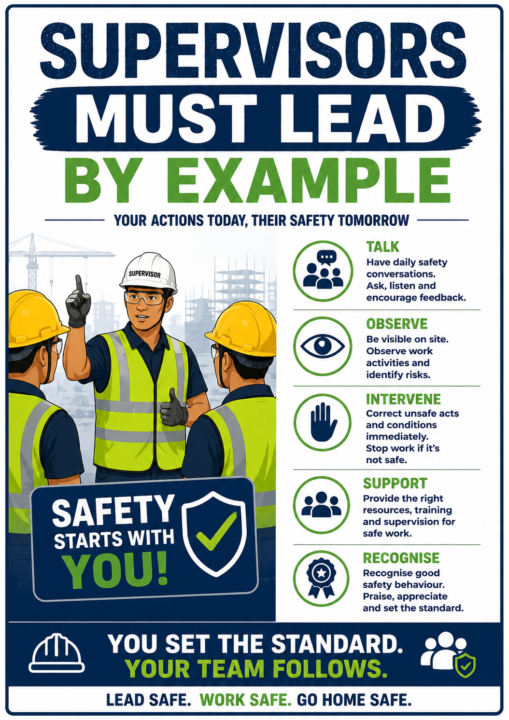
Workers will speak up when it is safe to be honest
I recently read an article discussing how workers are more likely to speak up when they feel psychologically safe. It reminded me that a strong safety culture isn't built by policies alone—it's built by everyday actions. Here are a few good practices that every supervisor and manager can adopt: ✅ Encourage open communication by listening without interrupting or judging. ✅ Thank workers for reporting hazards, near misses, and improvement ideas instead of blaming them. ✅ Build trust by treating every concern seriously and following up with actions taken. ✅ Conduct regular toolbox meetings where everyone has an opportunity to share their observations. ✅ Lead by example—supervisors should demonstrate safe work practices and be willing to admit mistakes. ✅ Recognise and appreciate workers who contribute to improving safety and quality. ✅ Promote a "learn, don't blame" culture by focusing on preventing future incidents rather than assigning fault. ✅ Ensure workers know they can stop work and report unsafe conditions without fear of punishment. ✅ Provide regular safety training and refreshers to keep everyone informed and confident. ✅ Remember: A workplace where people feel safe to speak up is a workplace that is safer, more productive, and built on trust.
2
0
5d •
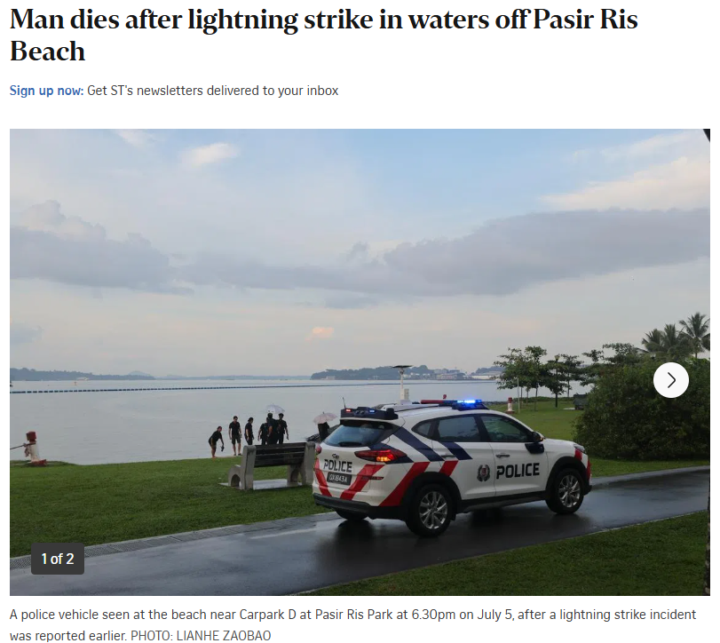
⚡ Lightning Doesn't Give a Warning Twice – Safety Must Come First
The recent lightning fatality is a reminder that weather hazards should never be underestimated. In Singapore, thunderstorms can develop very quickly. As supervisors and safety personnel, we should always be prepared to act. ✅ Stop all outdoor and work-at-height activities once thunder is heard or a lightning warning is issued. ✅ Move workers to a proper building or enclosed vehicle. Avoid sheltering under trees or temporary structures. ✅ Suspend lifting operations involving tower cranes, mobile cranes and other exposed equipment. ✅ Resume work only when it is safe to do so, following your company's weather monitoring and stop-work procedures. At the end of the day, production can wait—but lives cannot. Safety isn't just about complying with procedures; it's about making the right decision at the right time. Stay safe everyone. 🦺⚡
3
0
6d •
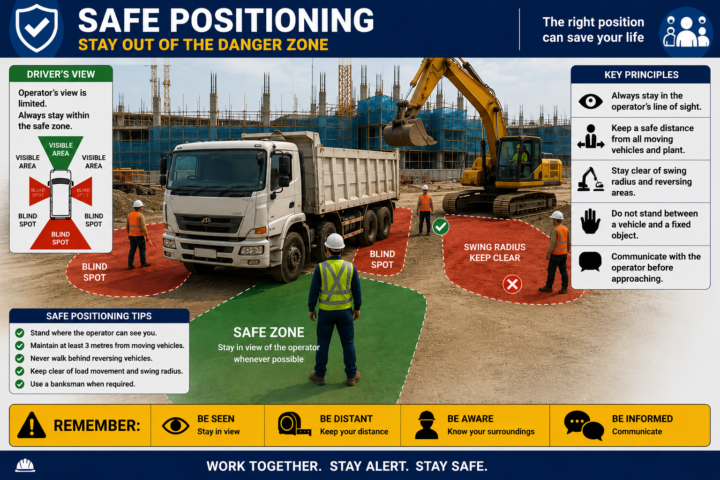
🚧 Safe Positioning Saves Lives
Every day on site, heavy vehicles and machinery create hazards that can become deadly in seconds. One of the biggest risks is standing in a blind spot or within an equipment’s swing radius. Remember: ✅ Be Seen – Stay where the operator can see you. ✅ Keep Your Distance – Never assume the operator knows you’re there. ✅ Stay Clear – Avoid blind spots, reversing vehicles, and swing areas. ✅ Communicate – Always make eye contact or get confirmation before approaching moving plant. A simple rule to remember: If you can’t see the operator, the operator probably can’t see you. Safe positioning isn’t just a safety rule—it’s a habit that protects everyone on site. A few extra steps to position yourself safely today could save a life tomorrow. 🦺 Work together. Stay alert. Stay safe.
7d •
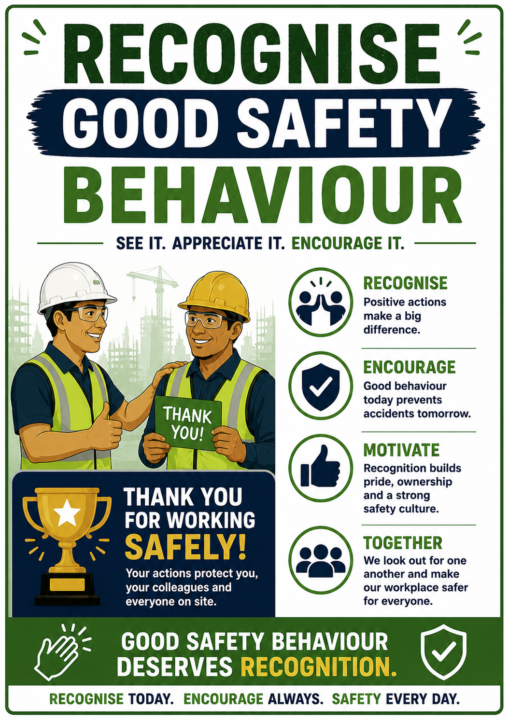
Every Safe Action Deserves Recognition
Safety is more than following rules—it’s about recognising and encouraging the right behaviours every day. 👷♂️🏗️ A simple “thank you” or acknowledgement of safe work practices can motivate others, strengthen teamwork, and build a positive safety culture on site. Let’s celebrate those who choose to work safely and inspire everyone to do the same. Recognise today. Encourage always. Safety every day. 💚🦺 #SafetyCulture #WorkSafe #Leadership #ConstructionSafety #PositiveBehaviour #WSH
3
0

7d •
The incident that never happened
A worker almost trips over an extension cable. He's not hurt, he keeps on walking. No sounding out, no report because of no injury. Then the next day, another worker trips over the same extension cable. He was not so lucky. He fractured his wrist. Thus, the difference between a near miss and an accident is often based on luck?? Today's near miss can very well be next day's incident if we do nothing.
1 like • 7d
fully agree. The difference between a near miss and an accident is often just a matter of timing and luck. Every near miss is a warning sign that a hazard already exists, and ignoring it only increases the likelihood of someone getting injured later. Companies should encourage workers to report all near misses, regardless of whether an injury occurs. Promptly removing hazards, investigating the root cause, and sharing the lessons learnt during toolbox meetings can prevent the same incident from happening again. A strong safety culture is built by acting on near misses before they become accidents, because prevention is always better than reacting after someone gets hurt.
1-7 of 7

Active 3d ago
Joined May 25, 2026
Powered by