Activity
Mon
Wed
Fri
Sun
Jun
Jul
Aug
Sep
Oct
Nov
Dec
Jan
Feb
Mar
Apr
May
What is this?
Less
More
Owned by Elena
Your health is your wealth. ⭐⭐⭐⭐⭐⭐⭐⭐⭐ Understand the root cause of chronic inflammation and fix it for good.
Memberships
Lazy Sales/AI Closing Code Hub
2k members • Free
The Hard Way Fitness
57 members • Free
409 contributions to INFLAMELESS LIVING

🔥
Jan 30 •
START HERE — Welcome
If you’re new, you’re in the right place. This community exists to help you reduce chronic inflammation through simple habits, real food and a Mediterranean approach to daily living. Practical steps that work in real life, no extremes. You can find our plans here. So, let´s do this! 1. Post a photo of a vegetable /fruit that you have right now at home Ugly photos encouraged, we are not on Instagram :) 2. Introduce Yourself Post a short introduction so we can welcome you. Share: - Where you’re from - What brought you here - One habit you want to improve This helps you connect with others and gives you a clear starting point. 3. Go to the Classroom to start the process: click here Start whenever you’re ready.

🔥
5 likes • 5d
@Suzy Wraines Hi, Suzy and welcome!!!
🔥
2 likes • 7h
@Stephen Mooney :)) the gif is gorgeous too! Welcome
🔥
7h •
😎🏆🏃Great news: the fitness gurus are here!😎🏆🏃
Good morning, beautiful people. Let´s welcome 2 fitness gurus that joined this community: 🏃🏃🏃🏃🏃🏃🏃🏃🏃🏃🏃🏃🏃🏃🏃🏃🏃🏃 @Kat Oakley from PhatKat Fitness and @Stephen Mooney from The Hard Way Fitness 🏃🏃🏃🏃🏃🏃🏃🏃🏃🏃🏃🏃🏃🏃🏃🏃🏃🏃 We are in the middle of our May Challenge to tacke with the Insulin Resistance. In today´s live call we will talk about the steps we have to take in order to lower our insulin levels. (Check the calendar) And, surprise, surprise!!! One of these steps is to move our ass! Training our muscles is as important as what we eat! So, let´s internalize this and move and train and be healthy! See you later on the live call! And @Kat Oakley and @Stephen Mooney , say HI don´t be shy! So happy to have you here!

🔥
2d •
🍳 Want to Dodge Alzheimer’s? Get your pots ready!
Wow, a new study has just landed! It´s a 2026 research that is a total game-changer for how we look at our daily routines. We talk a lot about "brain hacks" and supplements, but it turns out the ultimate cognitive super-weapon might actually be sitting in your kitchen drawer. It's called... a spatula. A massive study recently tracked 11,000 adults, and the results are wild. Cooking at home just once a week can slash your dementia risk by over 25%. 🍳🧑🍳🍳🧑🍳🍳🧑🍳🍳🧑🍳🍳🧑🍳🍳🧑🍳🍳🧑🍳🍳🧑🍳🍳🧑🍳 But here’s the kicker: The worse you are at cooking, the better it is for your brain. 🍳🧑🍳🍳🧑🍳🍳🧑🍳🍳🧑🍳🍳🧑🍳🍳🧑🍳🍳🧑🍳🍳🧑🍳🍳🧑🍳 The researchers found that "novice" cooks (the people who probably burn toast and have to Google how to boil an egg) saw a nearly 70% reduction in risk. Why? Because your brain is working overtime! - Executive Function: Trying not to set the kitchen on fire while timing the pasta. - Working Memory: "Wait, did I already add the salt?" - Sensory Overload: The smells, the textures, the heat - it’s like a HIIT workout for your neurons. For an expert, cooking is "autopilot." For the rest of us, it’s a high-stakes puzzle that keeps the brain young. 💡 💡 💡 💡 💡 💡 💡 💡 💡 💡 💡 💡 💡💡 💡 💡 The "One-Meal" Challenge You don’t need to be Gordon Ramsay. You don't even need to be good. You just need to turn off UberEats and get your hands dirty. 💡 💡 💡 💡 💡 💡 💡 💡 💡 💡 💡 💡 💡 💡 💡 💡 The ROI is insane: 🥚Better nutrition (less processed junk). 🥚Massive "Cognitive Reserve" (shielding your brain from aging). 🥚A sense of accomplishment (even if the chicken is a little dry). 👇 Let’s see 1. What is the ONE dish you can actually cook without a recipe? 2. Or, are you a "Novice" who is currently saving your brain by being terrible at it? Let’s see those "culinary masterpieces" (or disasters) below! 🥘👇
🔥
4 likes • 1d
@Ossie Osmond
🔥
2 likes • 21h
@Dyanne Joyner Yes, there is a certain mellow factor and this is a test in high end restauraurants

🔥
24h •
72 Hour Fast
Hi @Elena Maren I thought I remember reading somewhere that you use Yerba Mate tea when you fast. Is that right? I can't find the post now. I am thinking of embarking on 72 hour fast and I was wondering if just water and the Yerba Mate is enough. Since you told me to drink it after meals I have been doing that but I wasn't sure whether using it during a fast is a good thing. It is still too cold in England to start making green veggie juice so I thought maybe a warm fast might be better. ☺️
🔥
2 likes • 23h
And keep us posted on how it´s going for you 🫶
🔥
2 likes • 23h
Ah, yes, and eating keto before entering in the fasting mode and once you finish. THIS IS REALLY IMPORTANT! This is the live call on fasting if you want more info : https://www.skool.com/anti-inflammatory-lifestyle-1274/classroom/2f121282?md=bdfe7a10879b4f2688bbb7d876ed54c2

🔥
4d •
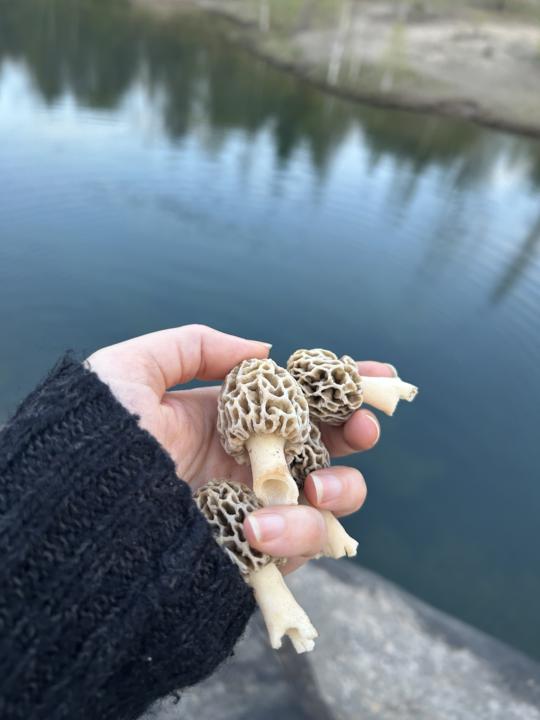
Look what we found!
We went on an evening hike today, and my son came around a bend in the path and said he’d found some weird looking mushrooms. I got so excited! Look at these beauties! I’ve been looking for morels in our area for 10 years! I’m try to decide how many I cook and how many I use to spread spore around our yard.
🔥
5 likes • 2d
@Dietrick Kooyman wow!!!
🔥
0 likes • 24h
@Dietrick Kooyman
1-10 of 409

🔥
@elena-maren-8003
Nutritionist | Culinary Anthropology & Gastronomy |
Sk Community: INFLAMELESS Lifestyle
Online now
Joined Jan 11, 2026
SPAIN