Activity
Mon
Wed
Fri
Sun
Nov
Dec
Jan
Feb
Mar
Apr
May
Jun
Jul
Aug
Sep
Oct
What is this?
Less
More
Owned by Eileen
A powerful space for women coaches to grow and thrive. Prioritize self-care, share wins, get feedback, and connect. Every coach needs a coach—join us!
A grounded place for complicated lives. Real conversation, encouragement, wisdom, and support for people navigating real life.
The Wealthy Woman Within
58
Free
Skoolers
151k
Free
THE SKOOL HUB
5.6k
5.0
$10/m
Horses Connect
145
Free
The House of Confidence
36
Free
23 contributions to Horses Connect
Mar 31 •
Skool Break (no pun intended) 🙂
I had a slight accident last week. Nothing serious, just an undignified fall resulting in some bruised ribs that totally slowed me down and left me feeling very sorry for myself. And there wasn't a horse in sight! The physical slow down opened more opportunities (time) to develop online projects I'm working on, but the feeling sorry for myself stopped me in my tracks. There I was, wishing I could clone myself so I could devote time to all the exciting things in the pipeline, yet when I couldn't do the physical, hands-on part of my job, I couldn't muster up the energy to focus on the online stuff. And I'm trying to figure out why! I firmly believe that KNOWING YOUR WHY is the foundation and pre-requisite for all forward movement. So I would really appreciate any help finding the WHY of my inertia. Answers on a postcard (in the comments) please 🙂


1 like • Apr 5
This sums up my approach pretty well.
Mar 19 •
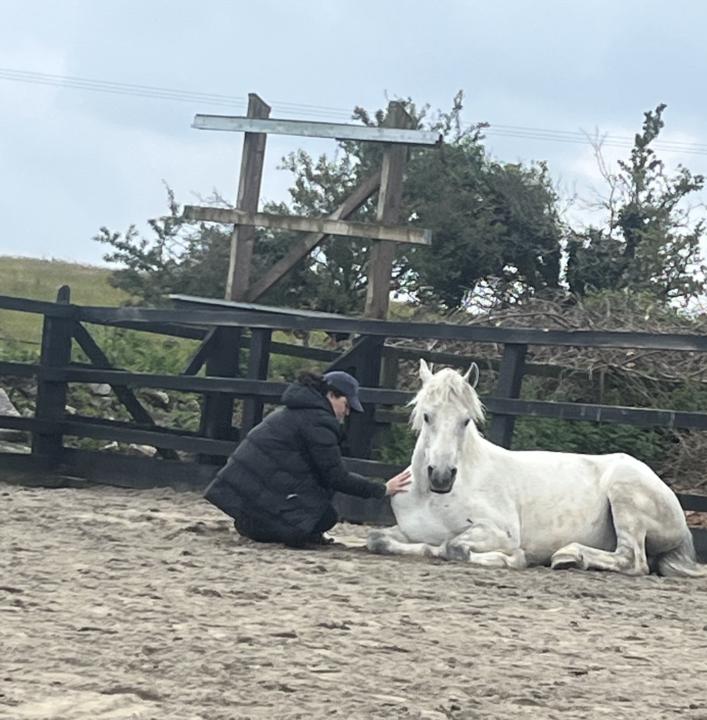
Horses or AI?
I’m a big fan of AI for help with admin-type tasks but it’s never going to come close to what a horse can provide 😊 AI processes information. 🐴 A horse feels information. An AI can help you think differently. 🐴 A horse helps you be different AI responds to what you say. 🐴 A horse responds to who you are. One is trained on data. The other is tuned to truth. And here’s the kicker… AI can simulate connection. You can’t fake that with a horse - Not for a second. The real magic isn’t choosing one over the other… It’s knowing when you need information …and when you need real presence. QUESTION Right now… do you need more information or more connection?
1 like • Mar 20
And horses aren’t wrong.
Mar 1 •
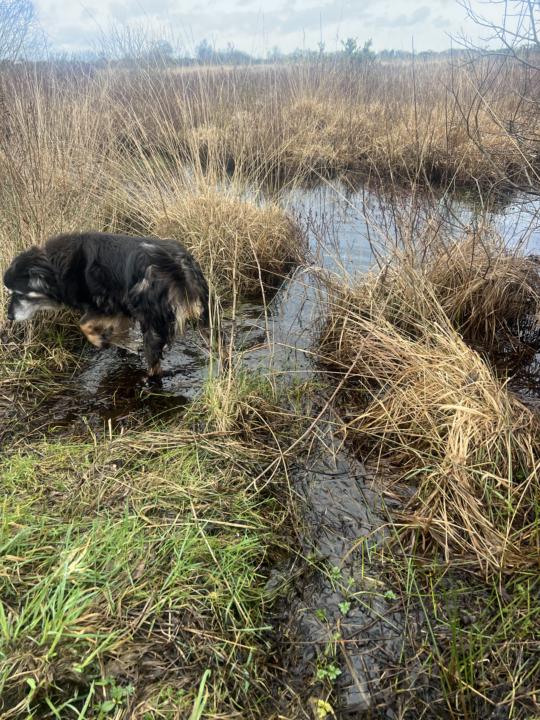
My Weekend
This weekend involved some working, some walking, and a lot of hanging out with a two-year old 😊 All very grounding practices 😍 How did you spend your time?
1 like • Mar 2
Walking. Eating well. Sleeping as much as possible. Preparing for an AMAZING month.
Feb 24 •
WTAF?!
I know that title is bit rude, but it’s the only phrase that adequately expresses what I want to say right now 😊 Last week - at least I think it was last week - I posted about sensing weird energy. I think it was last week but it could have been yesterday because time is also doing strange things! I listed examples of the things that had randomly stopped working - mostly electrical come to think of it 🤫 That trend has slowed down a bit, although the TV is still glitching! But now, I have become extra accident-prone 😳 I’ve burned myself several times putting timber into the stove. I’ve pulled a muscle I didn’t know I had at the gym. I’ve bumped my head on, tripped over or walked in to all kinds of immovable objects 😳 It’s getting to the stage that I’m almost afraid to get out of bed 😳 And don’t get me started on the litany of minor ailments the horses are presenting with 😳 Please tell me I’m not alone. And yes, I know it’s temporary. I just wanted a whinge 🤣

1 like • Feb 25
You aren’t alone. And @Letizia Stagno is right! Time for a break … please not literal.
Feb 10 •
Level 3
I really do not like the levels. I feel it cheapens the skool platform. Your opinion?
1 like • Feb 18
They are great for getting people to be engaged and not just lurking.
1-10 of 23
@eileen
I am a coach who empowers women to align their goals with their values, overcome self-doubt, and achieve bold, authentic success.
Active 47m ago
Joined Sep 25, 2025
ISTJ