Activity
Mon
Wed
Fri
Sun
Aug
Sep
Oct
Nov
Dec
Jan
Feb
Mar
Apr
May
Jun
What is this?
Less
More
Memberships
Together Against Scams
29 members • Free
19 contributions to Together Against Scams

Oct '25 •
Good Morning Fraud Fighters 🥷
So I am wondering who would be interested in doing a group call, one of our members has a couple of ideas that he would like to share with us. Depending where you are in the world would depend on what time we could do the call. If you would to be a part of this call if you could drop a note below with what times you are available and what time zone you are in, then I can try and figure out a time that will work best for everyone.

2 likes • Oct '25
Pacific Time
1 like • Oct '25
Unfortunately, I'm unavailable until Thursday October 30th, and won't be able to attend.
Oct '25 •
🎁 Don’t Take the Bait: How to Spot Prize, Sweepstakes & “Free Gift” Scams
It's that time of year again, holiday season is upon us and we all love good news, but if you ever get a message saying "You have won!"- PAUSE before you celebrate 🛑 Prize and sweepstakes scams are some of the most reported frauds in North America. They’re designed to trigger excitement and urgency so you’ll act fast… before realizing it’s fake. 🚩 Red Flags to Watch For 1️⃣ You didn’t actually enter. If you can’t remember signing up, that’s the first clue. Real contests require you to enter first. 2️⃣ They ask for money or “processing fees.” Legitimate prizes never require payment, shipping costs, or taxes up front. 3️⃣ They pressure you to act immediately. “Claim your prize in 10 minutes!” is a classic manipulation tactic. Real organizations don’t rush winners. 4️⃣ They ask for personal info or banking details. Never share your SIN, banking info, or credit card to “verify” your win. 5️⃣ The message looks unofficial. Misspelled words, random email addresses, or social media accounts that look new are all giveaways. 🧠 How to Protect Yourself - Pause before you press. - Verify the source. Look up the official company website or call their published customer service number. - Never click suspicious links. If you really did win, the company will contact you through verified channels. - Talk it out. When in doubt, share it here in the community — someone may have seen the same scam. 💬 Lets have a Discussion Have you ever been contacted about a “prize” that turned out to be fake? How did you figure out it was a scam — or what do you look for now before you celebrate? Let’s share our experiences and make sure none of us fall for the glittering bait again. 🎉🛡️

2 likes • Oct '25
Email phishing is getting very sophisticated especially with help from AI. But the same AI can also be used to help detect phishing emails. If your email client supports it, you can use "View Source" (or, use a similar feature) to copy and paste an email (preferably complete with headers) into ChatGPT and ask if the email is a scam. Try it. You'll be surprised at how much you can learn from the exercise.
Oct '25 •
INVESTMENT SCAMS 🚨
Investment scams, particularly in cryptocurrency, are rampant on social media. This was the scam I fell for. I did my 'research' and I thought I was ok to proceed. I was not and I lost thousands of dollars. Scammers promise high returns with little risk and often create a sense of urgency. We know this!! Research and I mean research any investment opportunity thoroughly and avoid sending money to anyone who contacts you directly on social media. Has anyone here been affected by a cryptocurrency scam??

1 like • Oct '25
One of my favorites is Scammer Payback. What is it about these videos that make us want to watch? Schadenfreude?
Oct '25 •
How Scammers Operate on Social Media
Fraudsters use various tactics to lure unsuspecting users into their schemes, including: - Fake Profiles: Scammers create bogus accounts, sometimes impersonating real people, to build trust. - Malicious Links: They send messages containing harmful links that install malware or steal data. - Emotional Manipulation: Playing on fear, love, or urgency, they convince victims to act without thinking. - Bogus Investment Opportunities: They entice victims with promises of easy wealth through fake financial schemes. - Social Engineering Tricks: They craft messages designed to gather personal information through quizzes, surveys, or direct requests. Signs That You’re Dealing with a Social Media Scammer 🚨 Recognizing these red flags can help you stay safe: - Poor Grammar and Spelling Mistakes – Many scammers use unnatural phrasing or odd formatting. - Brand-New Profiles with Few Friends or Posts – A lack of personal content is a sign of a fake account. - Duplicate Friend Requests – If you receive a request from someone you’re already connected with, it may be an impersonation scam. - Unsolicited Messages Containing Links – Avoid clicking links in unexpected messages, as they may lead to phishing sites. - Requests for Money via Untraceable Methods – Scammers often ask for payment through gift cards, wire transfers, or cryptocurrency. - Unbelievable Deals or Limited-Time Offers – If an offer seems too good to be true, it probably is. - Requests to Move the Conversation Off-Platform – Fraudsters may push to communicate via email, WhatsApp, or text to avoid detection. Specifically WhatsApp! How to Protect Yourself from Social Media Scams Follow these precautions to reduce your risk of falling victim: 1. Think Before You Click – Don’t interact with suspicious links or attachments. 2. Verify Identities – Contact people through trusted means before sending any money or information. 3. Enable Privacy Settings – Limit what strangers can see on your profile. 4. Use Strong, Unique Passwords – Enable two-factor authentication (2FA) on your accounts. 5. Be Skeptical of Online Strangers – If someone you don’t know reaches out unexpectedly, question their intentions. 6. Report and Block Suspicious Accounts – Social media platforms have tools to report fraud. 7. Monitor Your Accounts for Unauthorized Activity – Stay vigilant for any signs of compromise.
1 like • Oct '25
Excellent post. I really like how you’ve broken this down so clearly. It aligns with the four key phases of digital self-defense: Protect, Detect, React, and Recover. You cover it all; from prevention through awareness and good habits, to detection by recognizing red flags, to reacting quickly when something goes wrong, and finally recovering through reporting, securing accounts, and monitoring for future risks. Scammers thrive on confusion, fear, and impulse, but your post empowers people to slow down, think clearly, and take deliberate action. This is exactly the kind of clear, actionable guidance that helps people build lasting digital resilience.
Oct '25 •
October is Cyber Security Awareness Month in Canada
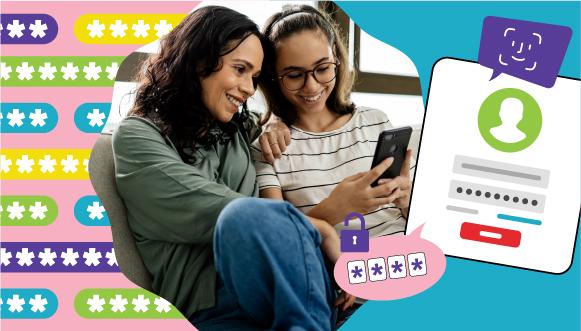
Cyber Security Awareness Month (Cyber Month) is an internationally recognized campaign held each October to help the public learn more about the importance of cyber security. The campaign helps Canadians stay secure online by teaching them simple steps to protect themselves and their devices. How to talk to your loved ones about cyber security: Talking to loved ones about cyber security can be tricky, but it's more important than ever in today's digital world. Whether you're talking with your great uncle, parents, siblings or close friends, helping them understand how to stay safe online can help protect their personal and sensitive information and prevent them from falling victim to cyber threats. Here are some ways you can navigate conversations about cyber security (with even your most reluctant family member). If your loved one says, "I'm not likely to be a victim of cyber security!" Start with a gentle conversation by letting them know they're more likely to be a victim of a cyber attack than they might think. Statistically, 70% of Canadians have experienced a cyber security incident within the past year. Be non-confrontational and start small. Teach them how to secure their accounts with a strong passwords or phrases. If your loved one says, "but I don't do anything risky online!" Make it clear that even people who only use the internet for routine things, like scrolling social media or checking email, can be victims. Cyber criminals are always looking for opportunities to steal from people, especially through phishing attempts and malware. Talk to them about whether they've ever received a suspicious email or direct message on social media . Offer advice on how to spot a threat on social media and help explain how certain social media habits can compromise their cyber security. If your loved one says, "I'm a law-abiding citizen – if the government texts me for personal information, I'm going to give it to them!" Explain phishing attempts to your loved one. Phishing occurs when cyber criminals pretend to be someone or an organization, to steal money and information from victims. It's important that they know the signs of a phishing message to help avoid falling victim to online scams or clicking malicious links or downloads.
1 like • Oct '25
October is Cyber Security Awareness month is the US as well.
1-10 of 19
@efrain-gonzalez-8542
Retired Enterprise Security Architect and Author
Active 221d ago
Joined Aug 18, 2025