
Write something

Feb 3 •
Here’s a little post I wrote about spotting fake emails.
Hey there, thought I would share with your community something from my community. https://www.skool.com/homesafe-safety-security-5253/spot-the-difference-can-you-spot-the-fake?p=7c982b22
0
0

Jan 16 •
I Almost Cashed a Fake Check for Thousands — Here’s How I Possibly helped Stop a Fraud Ring
I almost got scammed back in 2016 — and it started with me just trying to help my son find a virtual assistant job online through a website that used to be called odesk now upwork. Everything looked legit at first. A “company” reached out, offered quick pay, and sent a check for several thousand dollars. They told me to deposit it, keep a few hundred as payment, and then send the rest as a cashier’s check to another “virtual assistant” to buy supplies. Something felt off. So I did what most people don’t do… I slowed down and verified. I contacted the company whose name was on the check. They told me their bank account had been compromised — the check was fraudulent. That moment hit hard. If I had deposited it, the bank would’ve cleared it first… then weeks later reversed it when the fraud was discovered — leaving me responsible for the full amount. Instead of cashing it, I packaged the check, screenshots, and the entire communication trail and sent it straight to the Postmaster General for investigation. Why? Because these fraud rings only survive when people stay silent. They target parents. They target job seekers. They target people just trying to do the right thing. This time, they missed. If you ever get a “job” that involves depositing money and sending some back — stop. That’s not work. That’s a laundering scam. Stay sharp. Protect your family. And don’t let criminals turn your bank account into their crime scene. I don't remember ever getting any word back from the Post Master General so I recently submitted a FOIA to see if they wioll release any info on any results from what I sent. I will keep you posted on this matter. DBE

Nov '25 •
TODAY! Holiday Security Tips for Small Businesses Workshop
Join Learn Online Security today for this educational workshop on how to protect your small business. The holidays are prime time for hackers and scammers. Don’t let your business be an easy target. Learn the most common Christmas-season scams and discover quick, practical steps to keep your data, staff, and customers safe. Join for free today! https://www.skool.com/learn-online-security-4898
4
0
Oct '25 •
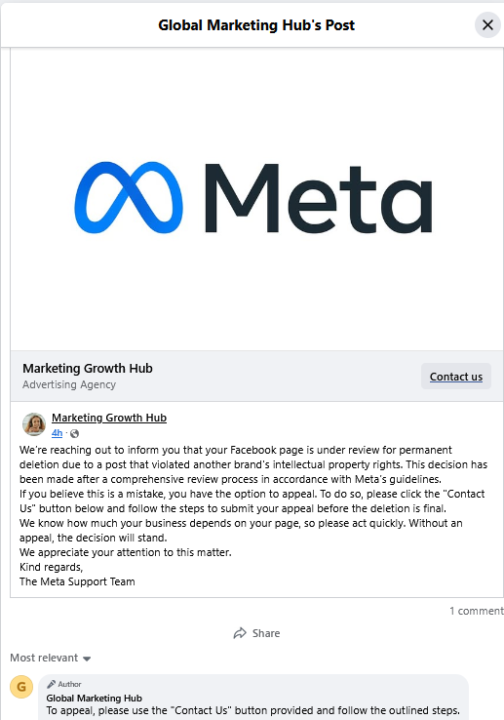
Spot the red flags 🚩
Here's the background story. You login to your Meta Business Suite and find this notification. Along with your own business there are 39 other businesses tagged in the post.

Oct '25 •
🎁 Don’t Take the Bait: How to Spot Prize, Sweepstakes & “Free Gift” Scams
It's that time of year again, holiday season is upon us and we all love good news, but if you ever get a message saying "You have won!"- PAUSE before you celebrate 🛑 Prize and sweepstakes scams are some of the most reported frauds in North America. They’re designed to trigger excitement and urgency so you’ll act fast… before realizing it’s fake. 🚩 Red Flags to Watch For 1️⃣ You didn’t actually enter. If you can’t remember signing up, that’s the first clue. Real contests require you to enter first. 2️⃣ They ask for money or “processing fees.” Legitimate prizes never require payment, shipping costs, or taxes up front. 3️⃣ They pressure you to act immediately. “Claim your prize in 10 minutes!” is a classic manipulation tactic. Real organizations don’t rush winners. 4️⃣ They ask for personal info or banking details. Never share your SIN, banking info, or credit card to “verify” your win. 5️⃣ The message looks unofficial. Misspelled words, random email addresses, or social media accounts that look new are all giveaways. 🧠 How to Protect Yourself - Pause before you press. - Verify the source. Look up the official company website or call their published customer service number. - Never click suspicious links. If you really did win, the company will contact you through verified channels. - Talk it out. When in doubt, share it here in the community — someone may have seen the same scam. 💬 Lets have a Discussion Have you ever been contacted about a “prize” that turned out to be fake? How did you figure out it was a scam — or what do you look for now before you celebrate? Let’s share our experiences and make sure none of us fall for the glittering bait again. 🎉🛡️

1-14 of 14
powered by
skool.com/together-against-scams-6119
A safe space to share tips, warnings, and support to protect each other from scams. Stay alert. Stay smart. Together against scams.
Suggested communities
Powered by