Activity
Mon
Wed
Fri
Sun
Aug
Sep
Oct
Nov
Dec
Jan
Feb
Mar
Apr
May
Jun
Jul
What is this?
Less
More
Owned by Christopher
Birding expert and wildlife artist Christopher Cudworth brings birding to life
Memberships
Skoolers
165.8k members • Free
52 contributions to Art of Birding
11d •
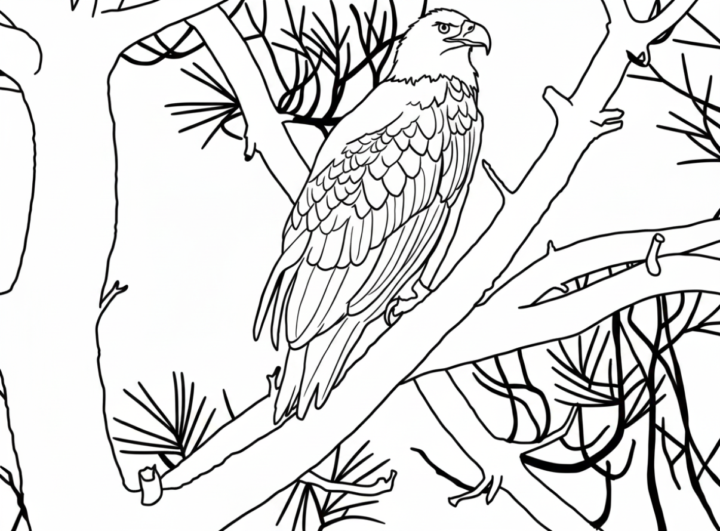
Something colorful this way comes
Here are two coloring sheets created from my bald eagle painting. You can print out the "simple" or the "detailed" coloring sheet version and use colored pencil or even regular pencils to shade in the eagle. I'd love to see your work! #eagle #artofbirding #birder #coloring
0
0
19d •
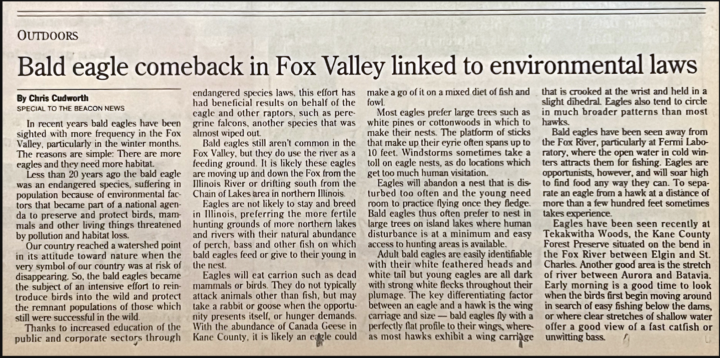
Bald Eagle Comeback is thanks to liberals and tree-huggers
In 1971, when I began birding and specifically, painting birds, the bald eagle was a rare and endangered bird species in the United States. Audubon magazine published a photo set of eagles in Florida by a famous photographer, and looking at those images back then while reading about the devastating effects of DDT on raptor egg shells in peregrine falcons and ospreys, it felt like I'd never see any of those species in real life. Fortunately, the 70s became an era of environmental activism, and both political parties joined in. President Nixon signed the and Clean Air (1970) and Clean Water (1972) acts, and the Endangered Species act in 1973. These acts, along with the ban on DDT in 1972 represented America's commitment to protecting not just endangered species, but millions of other life forms. Wetlands conservation also provided important protection for eagle habitat. However, political conservatives in the Trump administration recently moved to degrade wetland protections by "redefining" what constitutes protected wetlands. This degradation is in response to the political activism of the US Supreme Court in the Sackett v. EPA, who ruled that a couple in Idaho backfilling on their property had the right to do what they want because the "The CWA’s (Clean Water Act) use of “waters” in §1362(7) refers only to “geographic[al] features that are described in ordinary parlance as ‘streams, oceans, rivers, and lakes’ ” and to adjacent wetlands that are “indistinguishable” from those bodies of water due to a continuous surface connection." This is an utterly ignorant description of what wetlands are, how they were formed, and what they do for clean water and conservation. For example, it specifically ignored wetlands formed by glaciers 10,000 years ago that are not specifically connected to any "stream, ocean, river, or lakes." The Supreme Court ruled in willful ignorance of this fact.
1
0
19d •
The Yellowthroat is witchity-witch
Yellowthroat warblers are small, extremely common denizens of grasslands and shrubby habitats. They sing from perches quite often, but just as likely sing from deep in the thickets. They are summer personified, as their voices coat the landscape from late May through August, when they molt and shed that dark mask and migrate south for the winter. They furtive and yet curious all at once. Wichity-wichity-which! is what they sing.
1
0

23d •
Where goes the Henslow's?
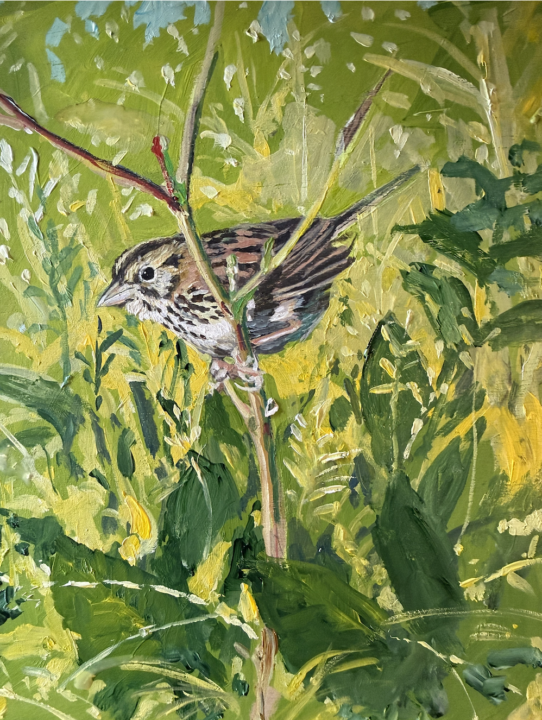
I have a concern. During many years of bird counting at Dick Young Forest Preserve's restored prairie west of Nelson Lake, there were healthy numbers of Henslow's sparrows singing on breeding territories. So far this year? Nothing. Not a single "tsi-lick!" to be heard. Nor are there sedge wrens, whose "chapp-chapp-chapperrr" calls were common too. For the last three years, I've not heard Savannah sparrows or grasshopper sparrows either. They disappeared a few years ago too. Climate change? I am instead concerned that the mid-June mowing practices of the Kane County Forest Preserve District to remove purple clover have eclipsed the breeding prospects of these grassland bird species. If I'd heard even one Henslow's, I might be able to imagine there are more just waiting to be heard on a less windy day. I began this painting a few years ago and finished it today. A Henslow's sparrow in the scrubby restored prairie habits they frequent. Where goes the Henslow's? So far, nobody knows. I'm not the greatest scientist in the world. I finally caught up (almost) on sighting and listening records on eBird. Attention deficit on my part equaled delays in entering data. Fortunately, I've taken photos of Henslow's and other species along the way. Today the list included bobolink (many male and females), dickcissel (dozens) Eastern and Western meadowlark, song and field sparrows, goldfinch, barn and rough-winged swallow, red-winged blackbird, killdeer, Caspian tern (flyover), dozens of yellowthroats, pied-billed grebe in the wetland, Eastern kingbird, phoebe, Eastern bluebird, starling, house finch, and robins. For the record, here's a montage of Henslow's photos
24d •
What's your favorite bird, and why?
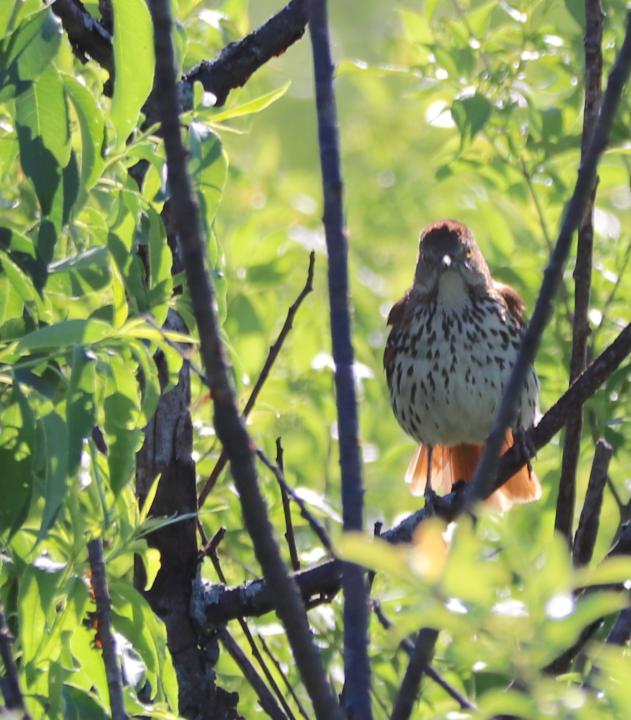
Do you have a favorite bird? One that you've seen or love to see every time? Maybe it's a cardinal or an oriole. A sandhill crane or a great blue heron? I want to hear about your favorite birds. Then I'll choose one, do a quick drawing and share here on Skool. (Pssst" I'll tell you mine if you tell me yours). Here's a few bird photos for inspiration! Leave your comment and a note about favorite bird experience below.
1-10 of 52
@christopher-cudworth-6093
I’m a licensed teacher, birder and competitive athlete. Also a writer, artist, and naturalist.
Active 4d ago
Joined Jan 13, 2026
North Aurora, Illinois