Activity
Mon
Wed
Fri
Sun
Aug
Sep
Oct
Nov
Dec
Jan
Feb
Mar
Apr
May
Jun
Jul
What is this?
Less
More
Memberships
Immune Resilience Lab
8 members • Free
60 contributions to Immune Resilience Lab


2 likes • May 16
I don't watch the news at all!!
May 13 •
Trip to Portugal
Just got back from a trip to Portugal. It is amazing how much cleaner and healthier their food is. So many healthy choices at restaurants. First night I had seared sea bass with roasted potatoes and sauteed zucchini. All done in olive oil. Their grocery stores are not filled with junk. Their desserts are mainly grilled fruit with a natural glaze and just a very small amount of a frozen gelato. So yummy.

Apr 25 •
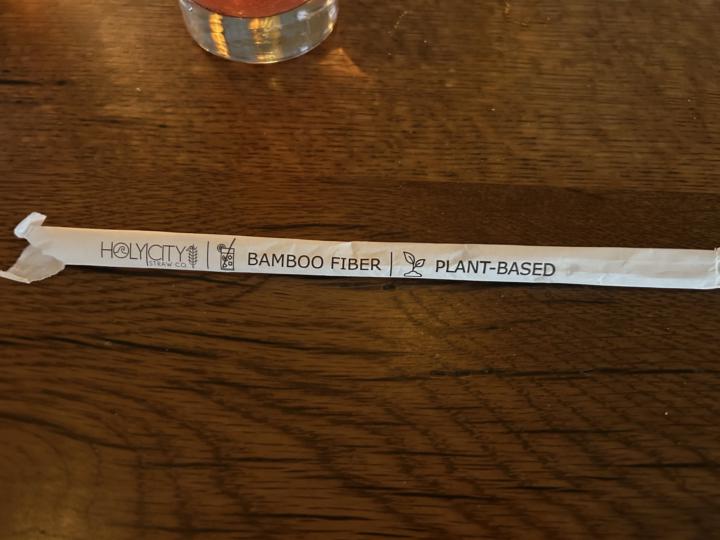
Excited about a straw?!
My wife and I had our date night yesterday, and I always refuse to use microplastic straws. To my surprise, a bamboo straw. Yay!
1 like • Apr 30
I love bamboo products from toilet tissue to mattress covers. Hopefully more places will get on board with the straws.
Apr 13 •
Tuna 🍣 Power
If your immune system had a daily “support stack,” what would actually make the cut? Most people think of supplements first… but real, bioavailable nutrition from whole foods is still the foundation. Here’s a simple, high-impact immune-support meal you can throw together in minutes: 🥗 Immune-Boosting Tuna Power Bowl Ingredients: - 1 can wild-caught tuna (rich in protein + selenium) - 1 cup mixed greens (vitamin C + antioxidants) - ½ avocado (healthy fats for inflammation control) - ¼ cup cherry tomatoes (lycopene + vitamin C) - 2 tbsp pumpkin seeds (zinc = immune critical) - 1 tbsp olive oil (anti-inflammatory support) - Juice of ½ lemon (vitamin C + alkalizing effect) - Optional: minced garlic (natural antimicrobial boost) Instructions: Mix everything in a bowl, squeeze fresh lemon on top, drizzle olive oil, and season to taste. Why this works: You’re hitting key immune-support nutrients in one meal: - Protein → supports repair + immune cell production - Zinc → essential for immune response - Healthy fats → reduce chronic inflammation - Antioxidants → help combat oxidative stress No gimmicks. Just strategic nutrition. If you’re serious about improving energy, resilience, and long-term health, start asking: 👉 “What am I consistently feeding my body?”

1 like • Apr 14
Sounds like the perfect salad. I love tuna.
Apr 11 •
Candle 🕯️ Poll
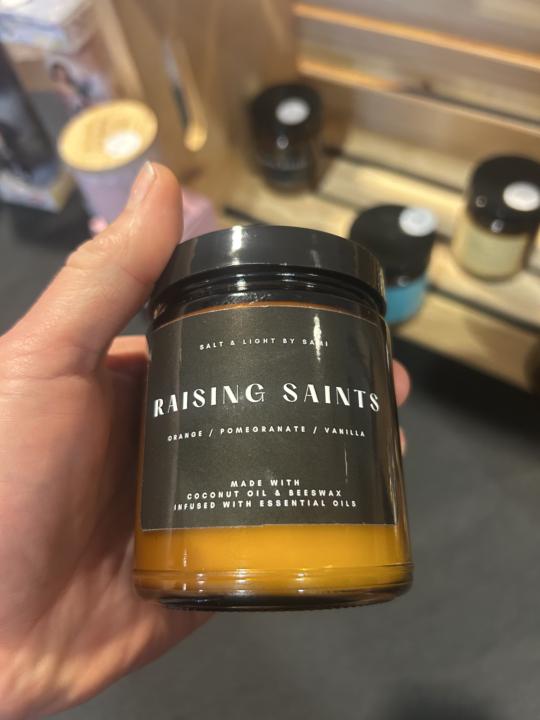
🔥 Quick Poll: What Kind of Candles Do You Use? I’ve been going down a rabbit hole on clean living lately and started looking into what’s actually in the candles we burn at home 👀 A lot of store-bought candles contain paraffin (petroleum-based), synthetic fragrances, and other stuff that probably isn’t doing our immune systems any favors… So I’m thinking about making my own using: 👉 Coconut oil 👉 Beeswax 👉 Essential oils Before I experiment, I wanted to get some real feedback from you all 👇 What kind of candles do you typically use? 🕯️ Paraffin (traditional store-bought) 🌱 Soy candles 🐝 Beeswax candles 🥥 Coconut-based candles 🌿 Essential oil / “clean” candles ❌ I don’t use candles at all Drop your vote AND let me know: 👉 What do you care most about — scent, clean ingredients, price, or aesthetics? Curious to see where everyone stands on this!
Poll
7 members have voted
1 like • Apr 12
I love the smell of lavender and found an essential oil candle that smells wonderful.
1-10 of 60

Active 49d ago
Joined Jan 6, 2025