Activity
Mon
Wed
Fri
Sun
Jul
Aug
Sep
Oct
Nov
Dec
Jan
Feb
Mar
Apr
May
Jun
What is this?
Less
More
Memberships
24/7-OBGYN Health Coaching
15 members • Free
8 contributions to 24/7-OBGYN Health Coaching

Jan 22 •
Hysterectomy or Not
Do you think that having a hysterectomy is always the best solution for fibroids and endometriosis issues. Or just a woman that has irregular periods.
1 like • Mar 10
Okay point taken
0 likes • Mar 10
@Adrian Simien do you think endometriosis is rid of once the hysterectomy is completed

Mar 9 •
How Unhealthy Relationships Affect Women’s Health (More Than You Think)
One thing that doesn’t get talked about enough in women’s health is how much stress from relationships can affect the body. In clinic, it often starts the same way. A patient comes in for something physical — irregular cycles, pelvic pain, fatigue, low libido, or trouble sleeping. We start talking about symptoms, and everything seems routine at first. But as the conversation continues, something else often comes up. She might pause and say something like: "Honestly… I’ve just been under a lot of stress lately." Then the story unfolds. Maybe there’s tension at home. Maybe there’s a relationship that feels emotionally draining. Maybe there’s constant conflict, lack of support, or the feeling of carrying everything alone. And what many people don’t realize is that the body doesn’t separate emotional stress from physical stress. When someone lives in a constant state of tension, the body can stay in stress mode. Cortisol rises, sleep suffers, hormones can become disrupted, and over time this can show up as: • Irregular menstrual cycles • Worsening PMS • Pelvic pain flares • Fatigue • Weight changes • Brain fog • Low libido Sometimes women come in thinking something is “wrong” with their body, when in reality their body is responding to the environment they’re living in. This doesn’t mean every symptom comes from stress. But it does mean our relationships, our emotional safety, and the amount of pressure we carry can have real physiological effects. One thing I often remind patients is this: Your body is not just reacting to what you eat or how much you exercise. It is also reacting to how safe, supported, and at peace you feel in your daily life. Health is not only physical. It’s emotional, relational, and environmental too. Sometimes the most powerful step toward healing isn’t another medication — it’s recognizing the sources of chronic stress in your life. Your health matters.
1 like • Mar 10
That could be it but stress plays a lot when a woman works a lot sometimes we forget the bigger picture sometimes and get lost in our work
Jan 9 •
The Gynecologic Symptoms Women Ignore Because They’re Busy
Many women don’t ignore gynecologic symptoms because they don’t care — they ignore them because life is full. Work, family, responsibilities, and deadlines often come first, and symptoms get pushed to the background. Here are some of the most common symptoms: 1.) Heavy periods are one of the most common examples. Bleeding that lasts longer than usual, soaking through pads or tampons, or passing large clots often gets normalized as “just how my body is,” even though it can lead to anemia, fatigue, and brain fog. 2.)Pelvic pain is another symptom many women learn to live with. Pain during periods, intercourse, or throughout the month is often dismissed as stress, aging, or something to tolerate. But ongoing pelvic pain is not something you should have to power through. 3.)Irregular bleeding between periods or after sex is also frequently overlooked, especially when cycles are already unpredictable. Many women assume it’s hormonal or related to stress, but persistent changes deserve attention. 4.)Subtle symptoms matter too. Feeling constantly tired, short of breath, or mentally foggy may not feel “gynecologic,” but they can be signs of iron deficiency from heavy bleeding. Being busy doesn’t make symptoms less important. Your body doesn’t stop communicating just because your schedule is full. Noticing changes and getting checked isn’t overreacting — it’s being proactive. Here's a reflection questions I tend to ask all my busy patients and one that you should ask yourself: What symptom did you ignore the longest because life felt too busy to deal with it?
0 likes • Jan 22
Being dang anemic and fatigue all the time thinking it’s just working too much.
Jan 15 •
Why High-Achieving Women Ignore Pelvic Pain — and How to Stop Normalizing It
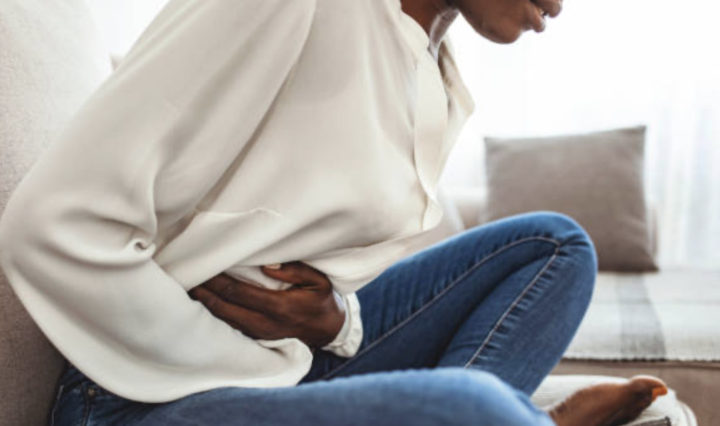
Many high-achieving women say, “I almost didn’t come in—I kept telling myself it wasn’t that serious.” Not because they don’t care, but because they’re used to pushing through discomfort. When life is full, pelvic pain quietly becomes something you manage instead of something you question. Pain that causes you to plan your life around your cycle, rely on medication, avoid intimacy, skip workouts, or push through exhaustion isn’t something to normalize—even if you’re still functioning. These symptoms are common, but they are not normal. Pelvic pain is often the body’s early way of communicating hormonal imbalance, inflammation, pelvic floor tension, or conditions like fibroids or endometriosis. High-achieving women adapt well, but adaptation is not the same as health. A helpful shift is asking, “If this were happening to someone I love, would I tell her to ignore it?” That question alone raises your internal standard. What to Do Next If Pelvic Pain Is Affecting Your Daily Life If pelvic pain is interfering with your work, sleep, relationships, or ability to move through your day comfortably: 1. Stop minimizing it. Needing medication every cycle, avoiding intimacy, or planning your schedule around pain is enough reason to seek care. 2. Track patterns, not just pain. Notice when symptoms occur in your cycle, what makes them better or worse, and what else shows up—fatigue, bloating, mood changes, or bowel issues. 3. Start the conversation. Schedule an appointment with a women’s health provider. Telehealth counts. You don’t need severe symptoms to deserve evaluation. 4. Ask directly for answers. It's okay to ask, “What could be causing this?” and “What are my options?” Early clarity prevents long-term consequences. 5. Remember this:Your body isn’t interrupting your life—it’s offering feedback. Listening sooner protects your future health.
0 likes • Jan 22
Maybe because we tends to forget so much about our issues because we either looking out for other peoples better interests than our own. Or we just don’t trust some OBGYNs in the healthcare system.
Dec '25 •
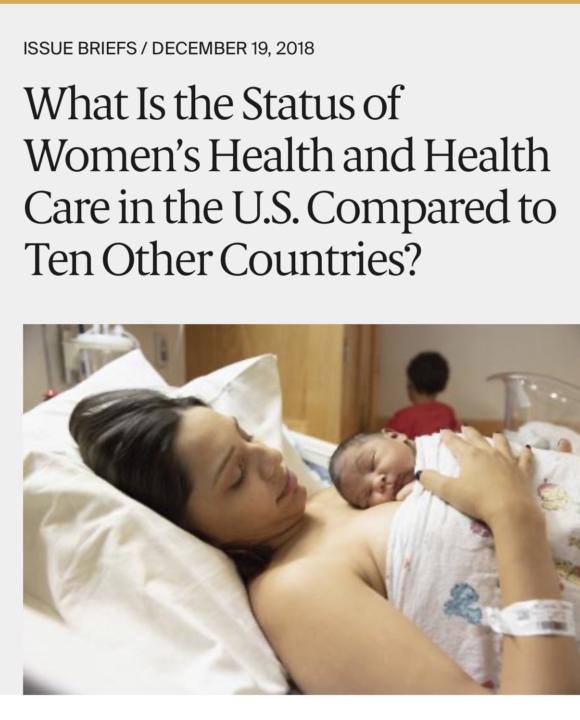
What is the status of women’s health in the US?
Hey all, check this out…. 🤔😡😳 In 2018, the Commonwealth Fund published an insightful article that delves into the crucial statistics surrounding women's health. The report highlights significant disparities and challenges faced by women in accessing healthcare services.
0 likes • Jan 15
Th status of women’s health in the US is awful and here’s why. It’s so much profiling when it comes to a woman’s health meaning based off who’s more important. Sorry to say that more black women suffers the most in healthcare especially in gynecology area. It’s so hard to trust the some doctors in the field anymore as well as some of the hospitals and staff. Especially in labor and Delivery these days. I have seen so many women either have near death experiences during childbirth than any other medical care issues. I truly hope that it gets better because every woman should be safe in healthcare.
1-8 of 8

@candice-kendrick-6559
Just say I’m a true Georgia Peach and Sagittarius. I learned over the years to Always keep God first and family second. I’m known for being overall me
Active 14d ago
Joined Jan 4, 2026
San Antonio