Activity
Mon
Wed
Fri
Sun
Jun
Jul
Aug
Sep
Oct
Nov
Dec
Jan
Feb
Mar
Apr
May
What is this?
Less
More
Memberships
Living Strong Community
103 members • Free
127 contributions to Living Strong Community

13d •
GRATEFUL
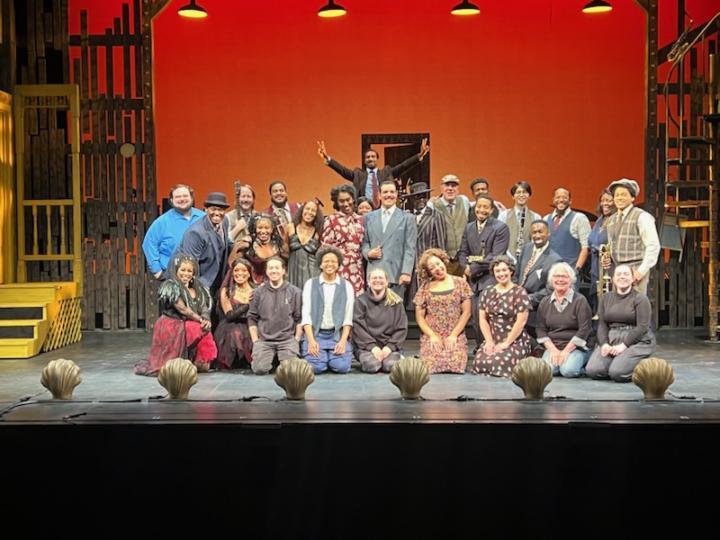
What a journey and blessing it was to be back on the stage... after a 12 year hiatus. These past few months have been electric!! Learing a full show , the blocking, music, harmonies, choreography and the rich musical history of Jelly Roll Morton with quadruple threat talent with giving hearts was AMAZING. So thankful to have been a part of this incredible production! This Glam-mom is still unpacking ..... my heart is full.
1 like • 2d
@Peter Liciaga

Apr 3 •
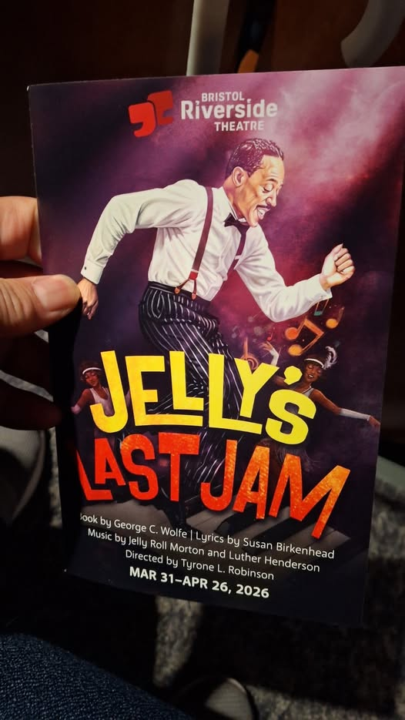
🎭 Living Strong Theater Review: Jelly’s Last Jam
Last night, I sat in the audience at Bristol Riverside Theatre for opening night of Jelly’s Last Jam… And I’ll tell you straight— I didn’t just watch a show. I stepped into a living, breathing experience. 🎺 The Living Strong Lens When I go into a theater, I’m not sitting there with a clipboard. I’m asking something deeper: Did they take me somewhere? Did they pull me out of my world… and bring me into theirs? And last night? Yes… they did. Opening night carries its own energy. There are nerves, there are moments still settling, and there’s discovery happening in real time. But by Act Two… They weren’t searching anymore. They were becoming. 🔥 Performances That Carried the Story The man embodying Jelly Roll Morton—Stanley Martin—brought a voice and presence that grounded the entire show. Forrest McClendon as Chimney Man… That voice didn’t just sit in the room—it moved through it. And Renee Reed as Anita… That Act Two duet? That’s where everything locked in emotionally. And I’ve got to say this as well… The Honeys. Three women who helped carry the storytelling alongside Chimney Man—and my wife, @Renee Chambers-Liciaga , as Honey Number Two. They moved beautifully through the show, guiding the story, supporting the rhythm, and yes… They looked fantastic. Confident. Expressive. And very sexy in the way the story calls for. Because this is real life being told. And Jelly Roll Morton’s world? It wasn’t polished. It wasn’t filtered. It was bold. It was human. And the show doesn’t shy away from that. And there was one scene that really stood out to me… An edgy moment—beautifully directed and staged—where Jelly Roll Morton and Anita begin their love affair. The way they used the bed… the music… the timing… the physical storytelling of that intimacy— It was done with taste, control, and intention. I remember when the scene began, thinking to myself, “Oh… they’re going there…”
1 like • 13d
Thank you hun for your continued support and love over the years
14d •
It’s NOW Time | Still in the Game at 65
Family… I wanted to share this one with you directly. I’m 64—turning 65 in just 10 days—and these past couple of weeks, I’ve been out in the community working closely with local small businesses… listening, learning, and building something meaningful. That’s why I’ve been a little quieter on here. But here’s what’s been strong in my mind and heart… You don’t age out of the Game of Life. You just learn how to play it at a different level. Right now, in this season, I’m leaning into service… taking everything I’ve lived, learned, and experienced—and putting it back into the community in a real, practical way. This is Living Strong. Learn. Practice. Create. Then learn from what you create… and go again. I’d love for you to watch this one and reflect: Where are you in the game right now? And what’s your next move? Let’s keep building… together. Living Strong 💪
1 like • 13d
[attachment]
Mar 27 •
I Grabbed the Mic… and Exposed Myself Last Night
Last night… I did it. I got up on stage and performed my first open mic comedy set. And that, right there… was the win. A couple of weeks ago, this was just an idea— sitting at Angelo’s Larchmont Pizzeria, watching the comedians from the Camden Comedy Collective, meeting Selena, feeling the energy, and thinking… “Maybe I try this.” What struck me right away watching them was one word— Courage. To get up there… take the mic… and just go. And another word— Exposure. You’re putting yourself out there. No hiding. No safety net. And last night… that was me. That “maybe” turned into curiosity. That curiosity turned into action. I put together a story… a few jokes… practiced a bit… walked up with my notes… and stepped onto that stage. Was I nervous? Oh yeah. But it was that kind of nervous energy… the kind you want. The kind that reminds you—you’re alive. And here’s what surprised me… I felt at home up there. And I felt something else too— A real connection with the other comedians. A bond. Because now I understand what it takes to stand in that space… to be seen… to be heard… to be exposed. And I’ve got a whole new respect for that crew. A great group of guys doing something real. I got some laughs. I got some feedback. I connected with people I knew… and people I didn’t. And I enjoyed it. I haven’t watched the video yet— (laughs) I know I’m going to see all the things I’d want to improve. But that’s part of the process. What’s interesting is… I don’t feel a strong pull to jump right back up there immediately. And that reminds me of the first time I tried sushi years ago in San Francisco… Loved the experience… tried everything… and then… nothing. Until months later— I had a craving. And I went back. So maybe that’s what this is. Because what I do know is this— I can get up there… create something… and connect with people. And that connection… That’s what I love. So will I go back up again? We’ll see. But I’ll tell you this— Last night wasn’t about being a comedian.

1 like • Mar 28
Hi, where'sthe rest of your set?
Mar 16 •
This Sunday 3/22 - From Philly Soul to Broadway — A Living Strong Conversation with my wife Renee
Next Sunday on the Living Strong Radio Show, I sit down with someone very special — my wife, @Renee Chambers-Liciaga Renee grew up surrounded by music. Her father, Roland Chambers, worked with the legendary Philadelphia International Records, and her mother was part of the iconic group The Orlons. From those roots, Renee built her own journey in the performing arts — including Starlight Express and now rehearsing for Jelly’s Last Jam at Bristol Riverside Theatre. In this conversation, we talk about music, theater, resilience, and what it really means to stand up for what you believe in. This short clip is just a preview. The full interview drops next Sunday on the Living Strong Radio Show. Will be released for public on Sunday 3/22/26 here: https://youtu.be/3TgJ0mCMriQ
1 like • Mar 28
[attachment]
0 likes • Mar 28
@Tina West thank you sis for your continued love and support ❤️
1-10 of 127
@renee-chambers-liciaga-7093
Creative Director, Coach, Performer ,Glam-mom, wife, Mom, daughter, Auntie, friend, lover of music, movement and the ocean. Baker and mentor.
Active 2d ago
Joined Aug 31, 2025