Activity
Mon
Wed
Fri
Sun
Jul
Aug
Sep
Oct
Nov
Dec
Jan
Feb
Mar
Apr
May
What is this?
Less
More
Memberships
Pre-Vet Skool
38 members • Free
4 contributions to Pre-Vet Skool
3d •
Hi!!
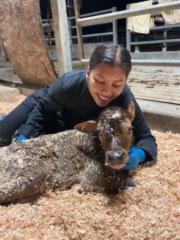
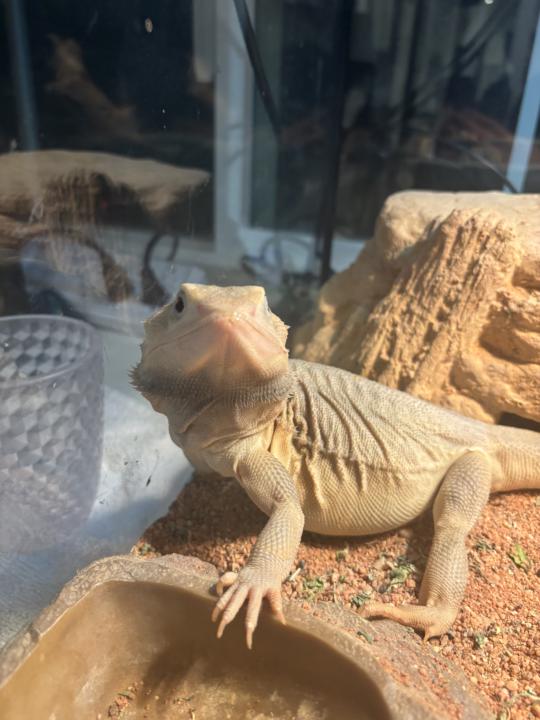
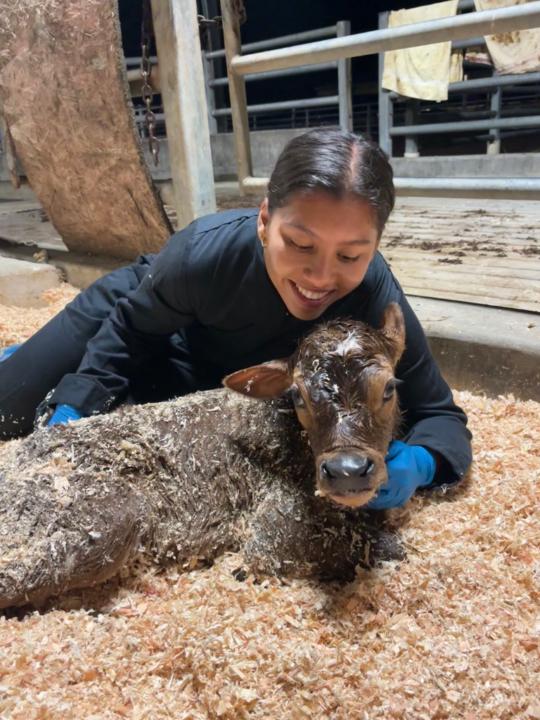
Hi all! My name is Bella and I’m a 1st year Animal Science pre-vet track major at Cal Poly SLO. I’ve worked at a small animal veterinary hospital and boarding for the past couple years as a Kennel Assistant. I’m now hoping to get into mixed animal practice after being exposed to so many different animals my school has on campus. I’m working hard to keep grades as high as I can while also getting as much experience as possible for when I apply to vet school! On the side, I compete in track and field for shot put and hammer. I love the sport and getting to compete at the next level is always fun! I have also been heavily involved in community service since high school and continuing to help here too at a cat shelter and through the club Letters of Love as a fundraising coordinator. I have 3 Bearded Dragons (Derek, Dynamo, and Doug) and 1 Cavapoo (Milo) that are absolutely amazing and the best to have around. I’m so excited to be here, meet you all, and continue to learn so much!
1 like • 3d
@Nisana Miller Hi Nisana, thank you! I definitely want to do work one day with primarily small animals but would also love to add on cows, maybe sheep and goats, and reptiles
2 likes • 20h
@Kathya's Art Hi Kathya!! Thank you so much 🥹 I’m just finishing up my freshman year now and will be starting my sophomore year this August! It’s great to meet you 😊🫶
2d •
Real-Talk
Have you ever seen something difficult, an animal suffering, a hard euthanasia decision, how did you handle that emotionally? I’ll share my answer in the comments.
1 like • 23h
It was my first day shadowing at an emergency vet clinic. A homeless woman came running in with her husky puppy. It was dying and looked like it was suffering. The vet clinic saw the signs and after testing, they confirmed it was positive for parvo. They had safety protocols in case it was positive and suited up to make sure nothing was spread throughout the clinic. The lady was unsure of what to do and became angry after the vet said, “Your puppy is positive for parvo. There is a lot of work that needs to be done. It will be expensive and we cannot guarantee he will make it because of how late this was caught. There is not much we can do, especially if there is no form of payment. We cannot do this for free.” This moment was heartbreaking because there were so many emotions and it’s hard to say no to an animal suffering and an owner feeling such pain. It was hard to deny care but not everything can be free and that is a hard concept. I learned a lot from this experience even though it was something hard to see.
8d •
Hands-On Experience
Which species have you had the most hands-on time with? Which feel most unfamiliar to you? I’ll go first in the comments😊
1 like • 3d
I’ve had the most experience with small animals with my own dog and working at a small animal vet clinic. I’m still not super comfortable with cats but getting better about handling them as I continue to help out as a medic at the cat shelter on my campus. I have not had any large animal experience prior to Cal Poly but know I am going to get so much knowledge and experience with their learn by doing motto of always being out in the field with them. I’m hoping to gain more experience though on reptiles and exotics. I do have 3 bearded dragons but knowing more in a medical setting would be awesome!
0 likes • 3d
@Lily Mason hi Lily! Thank you for your advice that sounds definitely like a good plan!
23d •
🐷 Case Study: Why Are the Best Pigs Dying First?
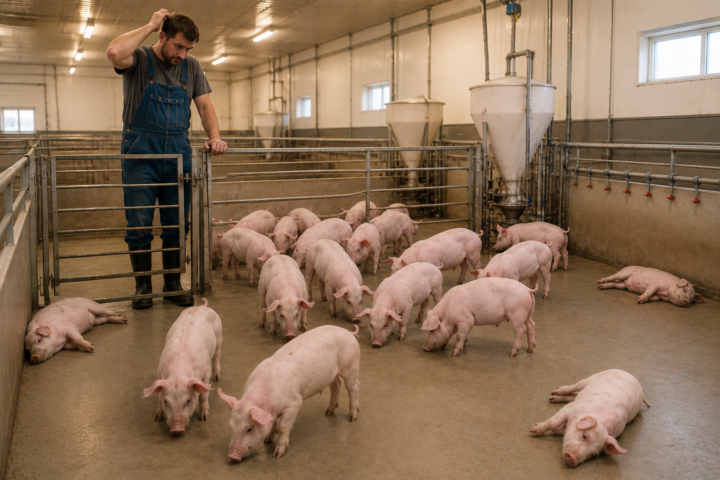
Meet a group of nursery pigs on a Wisconsin farm. Eight weeks old, thriving, gaining weight faster than any other group this season. The farmer is proud of them. Then one morning he finds three dead with no warning. The next day, two more. The pigs that died were the biggest, fastest-growing animals in the barn. You perform a necropsy. When you open the chest and look at the heart, you stop. The cardiac muscle is streaked with pale white bands of necrosis alternating with dark hemorrhagic zones, creating a mottled purple and cream pattern. It looks exactly like a mulberry. This is mulberry heart disease, caused by combined selenium and vitamin E deficiency. Selenium normally sits inside the glutathione peroxidase enzyme, neutralizing the peroxides that would otherwise destroy cell membranes. Vitamin E waits inside the membranes themselves, stopping lipid peroxidation chain reactions in progress. Remove both and cardiac muscle, running continuously at high metabolic demand, is defenseless. The fastest-growing pigs died first because they needed the most antioxidant protection and had the least. Feed analysis confirms selenium at 0.12 mg/kg. It should be 0.3. 💡 The takeaway: In selenium-deficient regions, the pigs you lose first are often your best ones. For more information on this condition, see the classroom or follow the link below: https://www.skool.com/pre-vet-skool-9535/classroom/d804917a?md=a3f90a53671b4c3999e646decb930a26
0 likes • 23d
That’s very interesting to hear!
1 like • 22d
@Nisana Miller yes I have! It was more on the reproductive side of assisting in births/ultra sounds and production side with weights, feeds, moving them around
1-4 of 4
Active 20h ago
Joined May 8, 2026