Activity
Mon
Wed
Fri
Sun
Jun
Jul
Aug
Sep
Oct
Nov
Dec
Jan
Feb
Mar
Apr
What is this?
Less
More
Memberships
Quietly Ambitious Business
682 members • Free
ProveWorth.com Community Proof
479 members • Free
Skool for Happy Healthy Dogs
35 members • Free
WT
Wild Things
15 members • Free
The Handy Man
2 members • Free
Skoolers
193.2k members • Free
2 contributions to The Handy Man

16d •
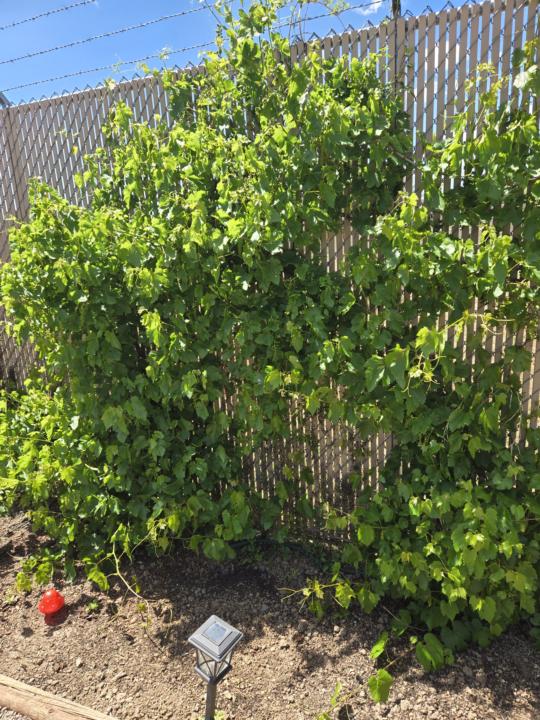
Gardening in 10 steps
Key steps include fostering healthy soil, encouraging biodiversity, conserving water, and avoiding chemicals to build a resilient, low-maintenance garden. 1. Focus on soil health by adding compost, composted manure, and worm castings to feed microorganisms rather than using chemical fertilizers. 2. Avoid synthetic pesticides and herbicides, which kill beneficial insects, beneficial microbes, and disrupt the food chain. 3. Grow native plants to create a resilient, low-maintenance garden that provides natural habitats and food for local pollinators and wildlife. 4. Apply 2–3 inches of organic mulch to keep roots cool, retain soil moisture, prevent erosion, and naturally suppress weeds. 5. Plant a wide variety of flowers, herbs, and vegetables to attract beneficial insects that prey on pests, reducing the need for pest control. 6. Remove weeds manually when young to avoid disrupting the soil structure, rather than relying on chemicals. 7. Water at the base of plants early in the morning to reduce evaporation and disease, ensuring deep root growth rather than shallow, frequent watering. 8. Start a compost pile to turn garden and kitchen waste into nutrient-rich organic matter for your soil, mimicking natural nutrient cycling. 9. Select plants and vegetable varieties known to thrive in your specific climate zone to reduce plant stress and disease. 10. Spend daily time in the garden to understand its ecosystem, catching issues early and allowing nature to guide changes. Enjoy eating the fruits of your labor with no chemicals or preservatives. Most of all have fun!!!!
1 like • 15d
Love this!
17d •
Welcome! Introduce yourself + share a pic of your workspace 🎉
Let's get to know each other! Comment below sharing where you are in the world, a photo of your workspace, and something you like to do for fun. 😊
0 likes • 17d
[attachment]
1-2 of 2
@amy-woods-8194
Dog Behavior Specialist & Coach helping owners understand and fix the root of the problem. Real results through communication and structure.
Active 1d ago
Joined Apr 11, 2026
Arizona