Activity
Mon
Wed
Fri
Sun
Jul
Aug
Sep
Oct
Nov
Dec
Jan
Feb
Mar
Apr
May
Jun
What is this?
Less
More
Memberships
pHERmission public
3.5k members • Free
Tonya Nichols | Purple Peps
91 members • Free
Tonya Nichols │ Holistic Hub
39 members • Free
8 contributions to Tonya Nichols │ Holistic Hub

Jan 16 •
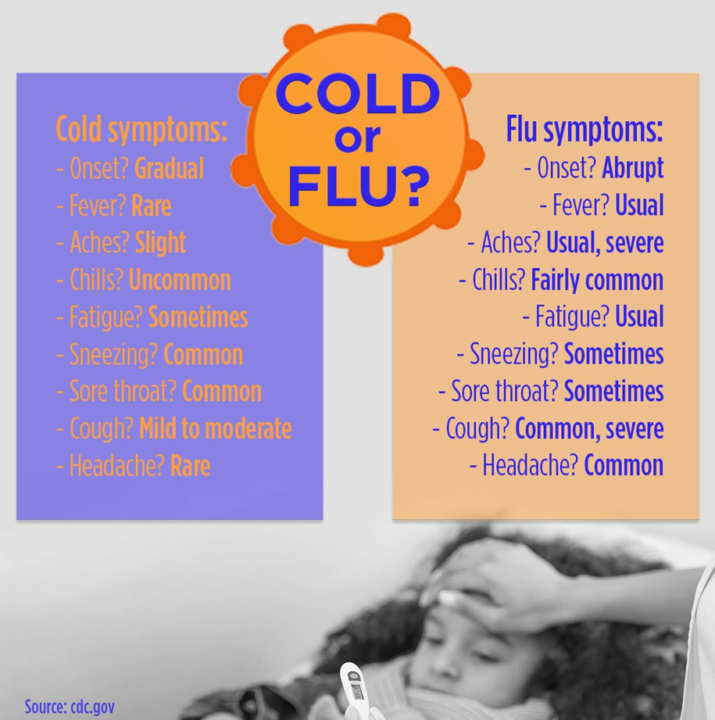
Cold or Flu
They are not the same thing, even though people love to lump them together. A cold usually tiptoes in. You feel a little off, maybe sniffly, maybe scratchy. Life continues. The flu kicks the door down. Sudden fever, body aches that feel like you got hit by a truck, exhaustion that does not care about your plans. Reminder: How aggressively you support the body depends on what you are dealing with. The immune response, inflammatory load, and recovery window are very different. If symptoms hit fast and hard, that is your cue to slow down, support detox pathways, hydrate deeply, and stop trying to “push through.” Your body gives clues. This chart helps you listen instead of guessing. Save this for later, because sick-brain never remembers logic.

0 likes • Jan 17
This wave of symptoms is responding very well to gelsemium at some point in the cycle

Jan 15 •
My Brain is Tired
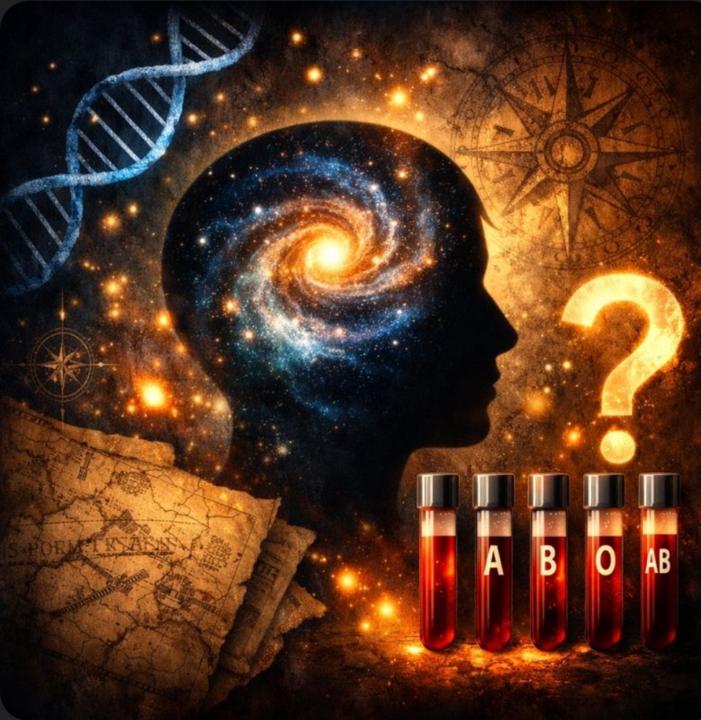
Oh my gosh you guys… I just went down the most mind bending rabbit hole tonight about blood types and human history and I am not even okay right now 🤯🧬 It started as a simple question and somehow turned into this wild, elegant, layered story that made me look at genetics, ancient people, and how we got here in a totally different way. One of those conversations where you keep saying “wait… WHAT” and then five minutes later you’re even more confused in the best possible way. I am not spoiling it. But just know… the answer was not what I expected and it connects things most people never think to connect. If I randomly start talking about blood types this week, mind your business 😏
0 likes • Jan 17
Oh for sure!! As someone with a less common type, I’ve been down a few rabbit holes on this! I’d love to hear your thoughts on the rhogam shot and its possible side effects/effects on the system
Jan 7 •
Rest with a generic twist from Day 7 in the classroom
For some people, rest doesn’t feel restorative and that’s not a mindset issue. It can be genetic. Certain genetic patterns affect how quickly your nervous system clears stress chemicals like adrenaline, norepinephrine, and cortisol. If you break these down more slowly, your body can stay “on” even when you stop moving. This is why: Sitting still can feel uncomfortable Rest can turn into zoning out or scrolling Sleep doesn’t always feel refreshing You feel wired but tired Your body isn’t resisting rest,it’s still clearing the signal. Genes involved in stress breakdown, neurotransmitter clearance, and circadian rhythm all influence how easily you downshift after stress. When these pathways are slower, intentional recovery matters more than passive rest. Day 7 Tool (genetics-friendly rest): Choose rest that gives your nervous system a clear signal of safety, not just inactivity: 🌿 Gentle movement (slow walk, stretching) 🫁 Slow breathing with longer exhales 😎Natural light exposure earlier in the day Think regulation, not collapse. If rest has never felt easy for you, that’s not a flaw/ It's information and it means your body needs supportive rest, not forced stillness 🤍
1 like • Jan 7
I needed this reminder today. Thank you 💕
Jan 3 •
Episode 26 dropped today. When Healing Becomes the Stressor — Why More Support Can Make You Sicker
Have you ever cleaned up your diet, added supplements, tried detox or nervous system work and somehow ended up feeling worse instead of better? In this episode of The Holistic Decoder, Tonya Nichols breaks down a pattern she sees constantly: when healing itself becomes the stressor. We explore why more support isn’t always better support, how well-meaning protocols can overload an already depleted system, and why symptoms don’t always mean something is “working.” This episode walks through capacity, timing, nervous system safety, and the difference between detox and overload without pushing protocols or quick fixes. If healing has started to feel like another full-time job, this conversation may help you finally understand why and what your body is actually asking for. This episode is especially relevant if you’ve felt stuck, overwhelmed, or confused by conflicting wellness advice and want a calmer, more grounded path forward. https://open.spotify.com/episode/43krdabmi8vxb0EEaLf1kx?si=IIYMhaS9RtWwC7ltR5xpxA
1 like • Jan 3
There’s a podcast! Yay!
Jan 3 •
What are peptides and how can they help?
If supplements are letters and hormones are full paragraphs, peptides are short, precise sentences your body already understands. Peptides are small chains of amino acids. Think of them as messengers. They don’t force the body to do anything. They remind the body what it already knows how to do but may have forgotten under stress, illness, aging, inflammation, or burnout. Your body naturally makes thousands of peptides every day. With time, stress, trauma, toxins, infections, and hormone shifts, production drops or signaling gets sloppy. That’s where targeted peptide support comes in. So, what do peptides actually do? Depending on the peptide, they can help with: - Tissue repair and healing - Gut and immune support - Inflammation regulation - Brain clarity and nervous system calm - Metabolism and fat signaling - Sleep, recovery, and resilience - Longevity and cellular communication Peptides don’t “override” your system. They work more like directional signposts, nudging processes back into rhythm. Why peptides are different than supplements or medications - Supplements provide raw materials - Medications often block or stimulate pathways - Peptides communicate instructions That’s why dosing, timing, sequencing, and who they’re for matters so much. More is not better. Stacking without strategy backfires. The nervous system always comes first. Important truth moment Peptides are powerful. They are not casual. They are not trendy add-ons. Used correctly, they can be incredible tools. Used randomly, they can confuse the system. That’s why education matters here. In this space, we’ll talk about: - What different peptides are actually designed to do - Who is and isn’t a good candidate - Why some people feel amazing and others feel awful - How peptides fit into a bigger root-cause picture No hype. No magic promises. Just physiology, strategy, and respect for the body’s intelligence. If you’re curious, overwhelmed, skeptical, or already experimenting… you’re in the right room.
0 likes • Jan 3
Should we be watching the video in the classroom? Can you recommend a book that you like?
0 likes • Jan 3
@Tonya Nichols Ty!
1-8 of 8
Active 3d ago
Joined Jan 2, 2026