
Write something

Jan 16 •
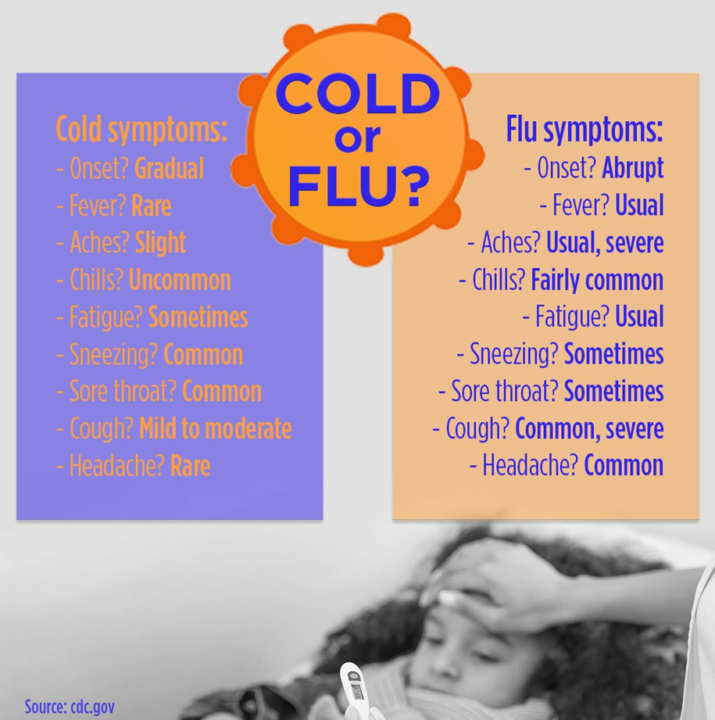
Cold or Flu
They are not the same thing, even though people love to lump them together. A cold usually tiptoes in. You feel a little off, maybe sniffly, maybe scratchy. Life continues. The flu kicks the door down. Sudden fever, body aches that feel like you got hit by a truck, exhaustion that does not care about your plans. Reminder: How aggressively you support the body depends on what you are dealing with. The immune response, inflammatory load, and recovery window are very different. If symptoms hit fast and hard, that is your cue to slow down, support detox pathways, hydrate deeply, and stop trying to “push through.” Your body gives clues. This chart helps you listen instead of guessing. Save this for later, because sick-brain never remembers logic.
Feb 1 •
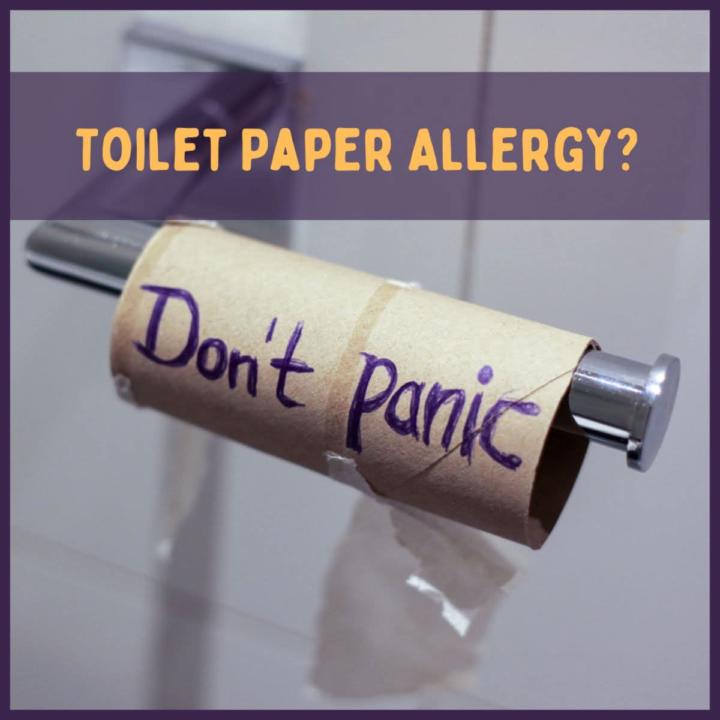
Allergic to TP?
You can absolutely develop reactions to things you’ve used your whole life. Even… toilet paper 🧻 No dye 🚫🎨 No fragrance 🚫🌸 No formaldehyde 🚫🧪 Problem solved ✅ And before anyone jumps to “that’s weird” it’s actually information 🧠 When your body suddenly says nope 🙅♀️ to products, foods, smells, fabrics, or heat, it’s not being dramatic. It’s communicating. Loudly 📣 This is where conversations get interesting 🔍👇 • Why estrogen can amplify sensitivity ⚖️ • How histamine turns everyday exposures into reactions 🔥 • Why the vulvar and skin tissue react first 🌸 • How stress rewires tolerance 🧩 • Why “I’ve always used this” doesn’t matter anymore ⏳ • Liver overload showing up on the skin 🧬 • Mast cells behaving like overprotective security guards 🚨 • Hormone shifts that change absorption 🔄 • Why perimenopause feels like your body changed the rules overnight 🌗 • How chemical load adds up quietly… until it doesn’t 🧨 None of this is random 🎯 None of this means your body is broken 🛠️ It means your threshold changed and your body is asking for less input and better support 🌱 Sometimes the smallest changes reveal the biggest patterns ✨ If you’ve suddenly reacted to something that never bothered you before, your body isn’t failing you. It’s finally being honest
Jan 24 •
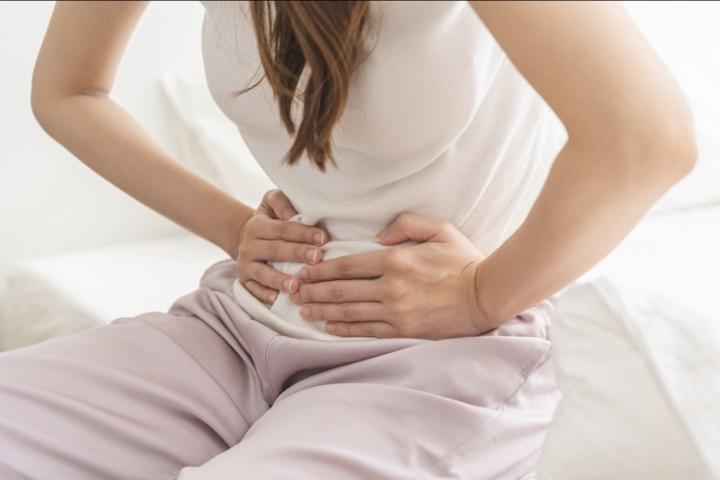
Period Cramps got you down?
Mag phos for the win. Lillie had period cramps today. The kind that stop everything and make you want to crawl into a ball. I gave her Mag phos 30C, three doses about 30 minutes apart. And just like that… gone. Pain dissolved. Mood lifted. Back to life. This is why I love homeopathy when it’s matched correctly. Mag phos is a go-to when cramps are: • Crampy, spasmodic, gripping, or twisting • Better with heat (heating pad = instant relief) • Better with pressure or curling up • Worse at the start of the period • Accompanied by tension, restlessness, or irritability • Relieved temporarily by warmth or hot drinks This isn’t suppression. It’s support. And when you see it work, you don’t forget it. Less drama. Less suffering. More trust in the body’s ability to reset when given the right nudge. Need a kit for all the things? I have a few and more on the way.
Jan 15 •
My Brain is Tired
Oh my gosh you guys… I just went down the most mind bending rabbit hole tonight about blood types and human history and I am not even okay right now 🤯🧬 It started as a simple question and somehow turned into this wild, elegant, layered story that made me look at genetics, ancient people, and how we got here in a totally different way. One of those conversations where you keep saying “wait… WHAT” and then five minutes later you’re even more confused in the best possible way. I am not spoiling it. But just know… the answer was not what I expected and it connects things most people never think to connect. If I randomly start talking about blood types this week, mind your business 😏
Jan 2 •
Day 2
Your body doesn’t change through pressure. It changes through safety. Most people try to force habits, routines, or motivation before their nervous system feels regulated. That’s why change feels exhausting or short-lived. When the body senses threat (even subtle stress), it prioritizes survival, not growth. Safety is what allows flexibility. Safety is what allows learning. Safety is what allows consistency. When your body feels supported, change stops feeling like a fight. Day 2 Tool: Place one hand on your chest and take 3 slow breaths, making your exhale slightly longer than your inhale. This simple action activates the vagus nerve and tells your nervous system: I’m safe right now. You don’t need to do more today. You need to feel safer doing what you’re already doing.
1-10 of 10
powered by

skool.com/holistic-hub-9910
Home of Tonya Nichols: The Holistic Decoder, The DNA Decoder, TonyaNichols.com, and PurplePeps and all things holistic health.
Suggested communities
Powered by