Activity
Mon
Wed
Fri
Sun
Dec
Jan
Feb
Mar
Apr
May
Jun
Jul
Aug
Sep
Oct
Nov
What is this?
Less
More
Owned by Dave
A network of home service business owners building, testing, and scaling their own meta ads together!
Zolato Apex
6
Free
170 contributions to Sublimity Ads Academy
2d •
If you aren’t doing this, it’s costing a lot…
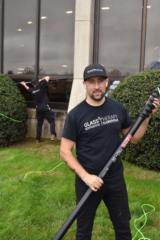
Hey everyone! Since there is no call tonight, I wanted to at least take a second and share something that happened last week. This is the power of doing in person estimates! What do y’all do? In person? Or virtual?

7d •
Don’t under estimate the follow up process!
The buyers journey is real, and if you skip the steps, you’ll lose the lead. Curiosity -> Enlightenment -> Commitment. You can’t take someone who’s only curious and immediately expect them to be ready to buy.
1
0


22d •
Lots of questions! haha
Hey yall! I keep saving my questions hoping I'll be able to hop on a live Zoom, but still haven't been able to make it. Some questions for you @Dave Scribani! 1. Do the ads get smarter and do more start coming in each day? We are averaging about 1 lead per day, which I think is really great! Just didn't know if we should expect more too! 2. If I'm wanting the same people to see our ads (people who've already seen them but need more exposure before inquiring), should I ad another campaign? Or do a split test? Any certain settings for that? I'm just thinking about how I have seen different ads from the same person before and after about the 3rd or 4th one, I end up buying haha. 3. Is there any regular maintenance we need to do on them? When do you switch it up (other than when the leads from the ad start declining) 4. What about ads to people who’ve already used you? I've heard about putting in a list of emails for Meta to target -- have yall ever done that or do you intentionally just use ads to reach the people who haven't used you before? 5. Do we ever boost posts as ads or use the option when posting in Meta where it says “use as ad”? Thanks in advance!!
0 likes • 20d
Alright Syd! Sorry for the delay! I hope this helps! 1. Do the ads get smarter and bring in more leads over time? They do get smarter in the first couple weeks while Meta learns who’s actually filling out the form, but they won’t just keep climbing on their own forever. One lead a day is a great spot to be in. Once it settles, more leads usually come from two things: raising the budget a little at a time, or adding fresh ads. My advice is to leave it alone for now and let it keep doing its thing. The biggest mistake people make is messing with something that’s working. 2. Should I run another campaign to hit people who’ve already seen the ads? Love that you’re thinking this way, and you’re right, people usually need to see you a few times before they reach out. The good news is Meta is already doing this for you. It shows your ads to the same people more than once. The easiest way to get that “3rd or 4th ad” effect is to have 3 to 5 different ads running inside the same ad set, each with a different angle (before and after, you talking to the camera, a customer review, an offer). That way someone sees a few different looks from you instead of the same ad over and over. I wouldn’t do a split test for this; split tests are for figuring out which ad wins, not for follow up. A separate retargeting campaign can work, but at our budget it usually splits the money too thin, so I’d start with more ads in the one you already have. 3. Is there regular maintenance? Not much, which is the beauty of it. Check it a couple times a week and look at two things: your cost per lead, lead flow (Are you getting leads) and your frequency (how many times the average person has seen the ad). If frequency starts creeping up past 3 or 4 and leads slow down, people are getting tired of it. As a rule of thumb, plan on adding a new ad or two every 4 to 6 weeks to keep it fresh. When you do, add them to the ad set you already have instead of starting a new campaign so you don’t reset all the learning. And if you raise the budget, do it in small bumps (around 20% at a time) instead of doubling it overnight.
0 likes • 7d
@Sydney Rhodes Oh yes! I didn't get a notification for it. I don't both adding new creative unless I absolutely have to. Like when the ad stops performing. If its working, leave it alone :) I dont always do this this, but it is good practice!

13d •
Leads going missing.
Hey whatsup everybody. Happy to join a like minded community. Quick question, does anyone have any trouble with leads filling out forms but then going missing and not ever returning calls?
0 likes • 13d
Hey Jermey! Not everyone answers. In fact, most don’t. I’ll give you some real number for last month for my company. Out of 38 leads Contacted 70 to 85% of leads - 27 Quoted 50% of those 27 Closed 11 This is actually very healthy. Some months it’s better, some months it’s worse. Tell me about your follow up process from the moment they submit a lead form.

18d •
Meta Ads - Instant Form Intentional Friction
I feel like I am still trying to find the best balance of intentional friction for lead forms. Ads are pretty dialed in (I work in marketing full time) and I use GHL automations - so my follow up is instant and frequent. Price is dialed in. I use strong trust markers so I don’t feel trust is an issue. But calls answered is prob below 2 or 3 out of 10. Then booking is slow. Wondering what people do to: - Build the best Meta lead form - Accelerate bookings after estimates sent - Set up on site estimates
1 like • 16d
Bring this to the group call tonight if you can make it! If you can’t, let me know and I’ll give you a detailed reply
0 likes • 14d
First off, 2 to 3 out of 10 answering is honestly pretty normal for lead forms. People don’t pick up unknown numbers anymore. So you need a system that pushes hard for the phone call but doesn’t lose the ones who won’t answer. The lead form 1. Use the Higher Intent form type so they have to review their info before submitting. 2. Ask for their address. It adds the right amount of friction and you’ll need it either way. 3. Add one or two simple multiple choice questions (what service, when do they want it done). One question that makes them think beats five that make them quit. 4. On the thank you screen, tell them exactly what happens next: “We’ll call you from (your number) in the next few minutes to set up your free estimate.” Now they’re expecting the call and recognize the number. Getting them on the phone Call fast. Like within 5 minutes fast. If they don’t answer, send a quick text right away: “Hey it’s Dave with ___, just tried calling about your estimate. When’s a good time to chat?” A lot of people will call you back once they know who it is. Why in person estimates: I push in person estimates because that’s where you close. You build trust, you see the job, you upsell, and you’re not just another price in a text thread competing with three other guys. When you’re on the call, offer two specific times: “I can swing by Tuesday morning or Thursday afternoon, which works better?” Then send automated reminders and text them when you’re 30 minutes out. When they won’t answer: If you’ve called and texted at least 4 times and they still won’t pick up, don’t keep chasing the call. Pull up the address on Google Earth or your measuring tool and text them a quote. Some people just don’t want to talk, and that’s fine. Give them the price, give them two dates you can do it, and make it easy to book right from the text. After the estimate Follow up hard for the first 48 hours. Most people aren’t saying no, they’re just busy. Bottom line: fight for the in person estimate because that’s where you win the job. But for the ones who ghost the phone, text them a quote so you’re not leaving money on the table.
1-10 of 170
@dave-scribani-7119
I help business owners save thousands of dollars every month by teaching them how to run their own Facebook ads. Say goodbye to over-priced agencies!
Active 9h ago
Joined Dec 25, 2025
Clarksville Tennessee
Powered by