Activity
Mon
Wed
Fri
Sun
Aug
Sep
Oct
Nov
Dec
Jan
Feb
Mar
Apr
May
Jun
Jul
What is this?
Less
More
Owned by Phillip
Level up your health! Turn Intermittent Fasting into a game with weekly challenges. Start for FREE with a supportive community. Fast with Phillip!
Memberships
Royalty Hero
932 members • $300/month
GREAT Community Leaders
772 members • $49/month
90’s Nostalgia Club 👾
203 members • Free
the skool CLASSIFIEDS
2k members • Free
Spanish For Professionals
393 members • Free
Magical Transformations (Free)
13.8k members • Free
🎮 OnlyLANs Gaming Group
161 members • Free
GOOSIFY: Skool Made Fun
13.1k members • Free
Skool Monetization Lab
220 members • Free
45 contributions to The Storyteller's Path

🔥
22d •
🎬 Opening Line Challenge
Write your first sentence. Give people a taste of that first sentence that you’ll have in your book. 📕 Just one sentence. Drop it below 👇

🔥
2 likes • 16d
I'd wish I'd known it was my last day in the real world. Maybe I would have savored things a bit more.
🔥
2 likes • 16d
@Dani Rosenblad James would you like to know more?
🔥
26d •
🌿 What Would Finishing Feel Like?
Imagine this for a second. Your book is done. ✅ What does that feel like? Drop one word 👇

🔥
4 likes • 26d
[attachment]
🔥
Jun 2 •
What's the BEST Gift for an Author?
Since today is my birthday AND my son's, I figured to shine the light on authors! A great gift for authors would be to give them reviews, share about their book, and be supportive! SO, I'm sharing this with you all! ❤️
🔥
4 likes • Jun 2
May the Best of you Past be the worst of your Future! Happy Birthday!
🔥
May 19 •
🗣️ I Want Your Opinions! 🗣️
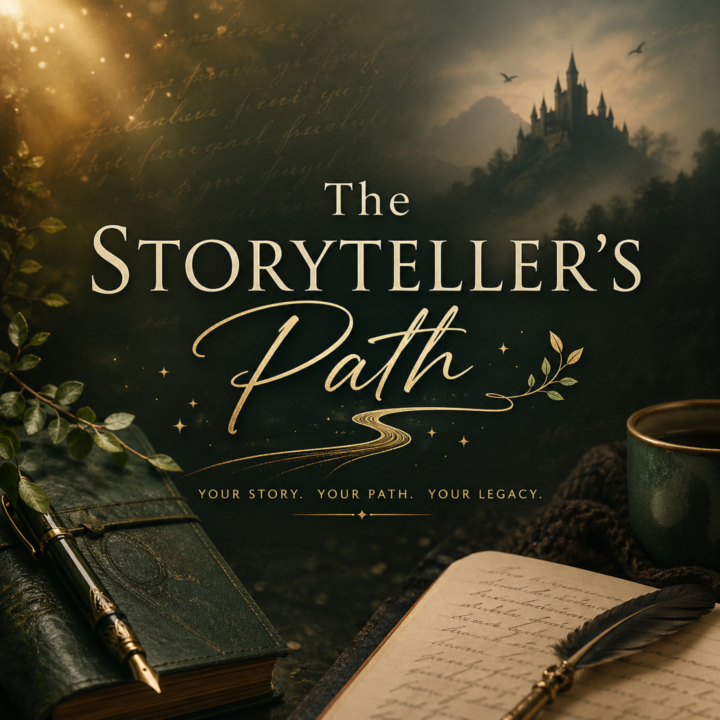
I’m going to be updating my logo and my icon. Let me know your thoughts on what I have created. Or, if you have any ideas, I’d love to hear them! I’ve noticed that my logo doesn’t scream that I help writers with personal, fictional and fantasy books. 📚 So, I want to give it a better look to invite the right people in. And you all are the best ones to ask for your suggestions! Share in the comments your thoughts! 💭 This is what I’ve come up with.
🔥
3 likes • May 19
me likey!
🔥
Apr 25 •
Spotlight time! ✨
✨ It’s time to shine! ✨ If you’ve written and published a book, share it in this community post! That way we can learn about one another’s books and give that loving support to one another! 🙌 Share: 🙌 I’d like for you to give a short summary of the books, the genre, a link to where it can be purchased, and a photo of it! Let’s celebrate the wins of publishing your book! 📕

🔥
2 likes • Apr 25
These are my main three, my Game Master book that I dedicated to my late father-in-law and a journal and dopamine menu that I made for myself but hope they are enough value for others as well. https://www.amazon.com/dp/B0GCT9S1QV/ https://www.amazon.com/dp/B0FSTMSFG4/ https://www.amazon.com/dp/B0GCSQTNBW/
🔥
2 likes • Apr 25
@Dani Rosenblad James my journal and dopamine menu are free on level 2 of my group to download FYI
1-10 of 45
🔥
@phillip-mackey-2627
Running a Fasting Accountability Group like an RPG!
Active 2h ago
Joined Nov 11, 2025
Powered by