Activity
Mon
Wed
Fri
Sun
Jul
Aug
Sep
Oct
Nov
Dec
Jan
Feb
Mar
Apr
May
What is this?
Less
More
Owned by MyLera
🌿 Unlock smarter wellness with MyLera—heal with food, dive into lessons & energize your journey with vibrant community discussions. Earn Rewards! 💚
Memberships
The Credit Reset Network- FREE
219 members • Free
Skoolers
183.9k members • Free
524 contributions to Mylera Wellness

5h •
✋ Rebuild Your Strength — Hands Edition
Inspired by @Cher T ........ Food-as-Medicine + One Simple Grip Move Your hands are your daily tools. When they weaken, you’ll notice: - struggling to open jars - difficulty carrying bags - slower typing or writing - less confidence in grip strength The good news: you can rebuild hand strength with the right foods and simple exercises. 🍽️ Food-as-Medicine Focus: Iron + Magnesium + Omega‑3s for Grip Strength Strong hands need oxygen delivery, muscle contraction, and joint comfort. These nutrients make it happen: - Iron-rich foods: lentils, spinach, beef, pumpkin seeds — support oxygen flow to hand muscles. - Magnesium-rich foods: almonds, leafy greens, black beans — reduce stiffness and improve contraction. - Omega‑3s: salmon, walnuts, chia seeds — reduce inflammation in joints and tendons. - Vitamin C foods: citrus, bell peppers — boost collagen for connective tissue. Explore more: iron-rich foods, magnesium-rich foods, omega-3 benefits. ⭐ Today’s Recipe: Spinach & Salmon Power Wrap A quick, nutrient‑dense meal that supports grip strength and recovery. Ingredients - 1 whole‑grain wrap - ½ cup cooked salmon - 1 cup fresh spinach - 1 tbsp hummus - Squeeze of lemon How to make it 1. Spread hummus on the wrap. 2. Add salmon and spinach. 3. Squeeze lemon, roll, and enjoy. Why it works - Salmon provides protein + omega‑3s for muscle repair. - Spinach adds iron + magnesium for contraction. - Lemon boosts iron absorption. - Whole grains provide steady energy for grip endurance. 🏋️ Simple Strength Habit: Hand Squeeze (30 seconds) A foundational move to restore grip strength. How to do it: - Hold a soft ball or rolled towel. - Squeeze firmly for 3–5 seconds. - Release slowly. - Repeat for 30 seconds each hand. Explore more: hand therapy ball exercises or finger tendon glides. Why it works Hand squeezes strengthen forearm and hand muscles, improve circulation, and restore grip confidence.
0
0

Apr 21 •
🚨 Your Muscles Might Be Shrinking — Here’s How to Fight Back (And rebuild strength at any age)
If you’ve noticed things like feeling weaker carrying bags, struggling with stairs, wobbling during balance tasks, or taking longer to recover from simple activities… those aren’t “getting older.” They’re early signs of muscle loss — and muscle loss is one of the biggest predictors of poor mobility, low energy, and reduced longevity. The fix isn’t complicated. It’s consistent. Here’s what actually helps your muscles grow back. 🍽️ Foods That Help You Rebuild Muscle Muscle is built from amino acids, minerals, and energy — so your nutrition matters more than most people realize. 1. High‑quality protein Aim for protein at each meal to stimulate muscle repair. Great options: - Eggs - Greek yogurt - Cottage cheese - Chicken, turkey, fish - Lentils, beans, tofu 2. Omega‑3 rich foods Omega‑3s help reduce inflammation and improve muscle protein synthesis. Try: salmon, sardines, walnuts, chia seeds. 3. Creatine-containing foods Creatine supports strength, power, and muscle cell hydration. Found in: beef, pork, salmon. 4. Magnesium-rich foods Magnesium helps with muscle contraction, recovery, and energy production. Think: pumpkin seeds, almonds, spinach, black beans. 5. Vitamin D + calcium foods These support muscle function and bone strength — a critical combo. Include: fortified dairy, sardines, mushrooms, leafy greens. 🏋️♂️ Exercise Routines That Reverse Muscle Loss You don’t need a gym membership — you need progressive resistance and movement variety. 1. Strength training 2–3x/week Focus on big, functional movements: - Squats - Lunges - Push-ups (wall, counter, or floor) - Rows (bands or dumbbells) - Deadlifts (light weights or kettlebells) These rebuild the exact muscles that help with stairs, posture, and carrying things. 2. Balance training Because wobbling is a sign your stabilizers are weakening. Try: - Single-leg stands - Heel-to-toe walking - Slow controlled step-ups 3. Core stability work A collapsing posture or unstable core is a major red flag.

0 likes • 15d
@C Monk you're welcome. This is why we're here.
0 likes • 5h
@Cher T - To restore strength in your hands, focus on iron‑rich and protein foods that support muscle repair, plus magnesium and omega‑3s for joint comfort. Pair these with grip‑strength and mobility exercises like hand squeezes, tendon glides, and finger lifts to rebuild power and dexterity.
18h •
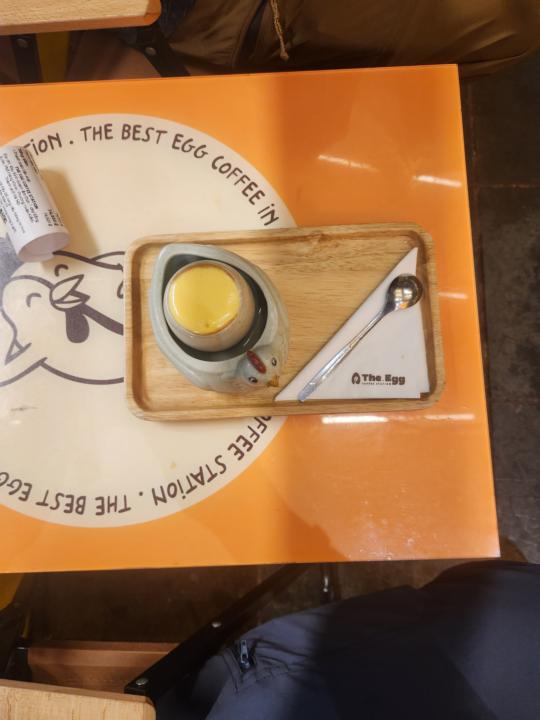
🥚 Vietnam’s Egg Coffee: A Curious Sip
I’m not really a coffee person, and I’m a pretty particular eater for religious reasons. But when I was in Vietnam, I decided to step a little outside my comfort zone. Enter: egg coffee — a frothy, sweet concoction made with whipped egg yolk, sugar, and robust Vietnamese coffee. It was one of the few “out there” things I was both willing and able to try. Surprisingly? It wasn’t bad at all. The creamy texture reminded me more of dessert than coffee, which made it easier to handle. Now, before you ask — no, I’m not touching the infamous cat poop coffee (civet coffee). That’s a big fat no from me. Of course, I had to research the benefits and risks of these famous coffees… Egg Coffee: The whipped egg yolk adds protein, vitamins, and healthy fats. It can make the brew smoother and gentler on the stomach. But it’s also high in sugar and cholesterol, so best enjoyed as an occasional treat. Civet Coffee: The fermentation process may enhance antioxidants and reduce bitterness, making it easier to digest. Still, the ethical concerns around civet farming and the sky-high price tag make it a questionable choice for most people.So while both drinks have their quirks and potential perks, I’d say they’re more about the experience than the health boost. Have you ever tried egg or civet coffee? Or do you have your own unique coffee experience story?
0
0
2d •
🐟 FAST FOOD FACT CHECK #2 — Is Subway Tuna Even Tuna?
The internet said Subway tuna had no tuna DNA. Sounds terrifying… until you look at the actual science. 🔍 THE TRUTH - A lab test once found “no amplifiable tuna DNA.” - Experts immediately said: cooked/processed tuna often has degraded DNA — that’s normal. - Other labs did find tuna DNA. - The lawsuit claiming “no tuna” was dismissed. - Subway tuna = skipjack + yellowfin, shredded and mixed with mayo. Bottom line: The viral claim was sensational, not scientific. It’s tuna — just heavily processed. 🥗 BETTER OPTIONS (OUTSIDE FAST FOOD) If you want the same “cold protein salad” vibe without the mystery: - Healthy tuna salad — canned tuna + Greek yogurt + lemon - Rotisserie chicken wrap — zero cooking - Protein snack box — eggs + avocado + veggies - Smoked salmon bites — fast, nutrient‑dense 🚇 IF YOU’RE ALREADY AT SUBWAY Here are the “healthy‑ish” picks that actually fill you up: - Oven‑roasted chicken — simplest ingredient list - Turkey breast — lean and predictable - Veggie Delight + double protein — fiber + fullness - Egg & cheese on whole grain — balanced and underrated Pro tip: Skip the sugary sauces. Mustard or oil + vinegar wins every time. 😂 AND IF YOU STILL WANT THE TUNA… Sometimes you just want a cold, mayo‑heavy, nostalgia‑loaded tuna sub. Sometimes the correct answer is: “Look, I’m eating the tuna.” Eat it. Enjoy it. Hydrate. Move on.
0
0

5d •
🍟 FAST FOOD FACT CHECK #1 — McDonald’s McNuggets
“Do they really have 40 ingredients?” Short answer: Yes — when you count the chicken blend, the batter, the breading, the oils, and the additives used to keep everything shelf‑stable and crispy, the list gets long. But here’s the real story......... 🧪 THE FACTS (Without the Fear‑Baiting) - The “40 ingredients” number is real, but most of them are binders, starches, leaveners, and oil additives, not mystery chemicals. - The chicken itself is white meat + seasoning + binders. - The long list comes from the breading + frying oil, which includes stabilizers to prevent foaming and burning. - Nothing on the list is illegal or hidden — it’s just industrial food manufacturing. Bottom line: McNuggets aren’t poison. They’re just highly processed, engineered for consistency, and not something your body recognizes as “food” in the same way it recognizes whole ingredients. 🥗 IF YOU WANT A HEALTHIER ALTERNATIVE (OUTSIDE FAST FOOD) Here are simple, fast, real‑world swaps that hit the same craving: - Rotisserie chicken + pre‑cut veggies — cheap, fast, protein‑dense - Frozen grilled chicken strips — toss into salads, wraps, bowls - Air‑fried chicken bites — 10 minutes, 3 ingredients - Hummus + crackers + fruit — surprisingly filling “snack box” alternative These hit the “grab‑and‑go protein” need without the industrial processing. 🚗 IF YOU’RE ALREADY AT McDONALD’S (NO JUDGMENT) Here are the best “healthy‑ish” options that won’t leave you hungry: - Grilled chicken sandwich (if available in your region) — lowest processed protein - Hamburger or double hamburger — simpler ingredient list than nuggets - Egg McMuffin — surprisingly balanced: egg + Canadian bacon + English muffin - Side salad or apple slices — if you need something fresh-ish Pro tip: If you really want nuggets, get the 4‑piece, not the 10‑ or 20‑piece. It scratches the itch without the “I just ate a bowling ball” feeling. 😂 IF NONE OF THAT WORKS… FREE PASS TIME Sometimes you’re tired, stressed, running late, or just craving nostalgia.
1
0

1-10 of 524
@mylera-wellness-5247
The wellness community where you will find information and resources to improve your health and well-being. We also reward your participation.
Active 4h ago
Joined May 9, 2025
Powered by