Activity
Mon
Wed
Fri
Sun
Apr
May
Jun
Jul
Aug
Sep
Oct
Nov
Dec
Jan
Feb
Mar
What is this?
Less
More
Owned by Juan
[Get More In-Depth Education Here](https://www.skool.com/b2rpro/about)
No-Guesswork Duplex Building System
Memberships
R.E. DEALMAKERS
24 members • Free
Real Estate Investment Group
381 members • Free
The Real Estate Academy
3.6k members • Free
RE
Real Estate Academy&Community
861 members • Free
Skoolers
190.3k members • Free
544 contributions to Build 2 Rent Real Estate

🔥
4d •
Step-by-Step How To Analyze Lots To BUILD ON!
This is EXACTLY my process for analyzing lots to build on y'all. Save this post. Tab it. Let me know what you learned. Re-watch it. I've done this for years so it's easy for me but I go through this process every time. Let's go! Juan-

🔥
0 likes • 1d
@Sharn Robertson awesome! So glad to hear it!
🔥
1 like • 9h
@Keith McCammon let me know what you get boss!
🔥
1d •
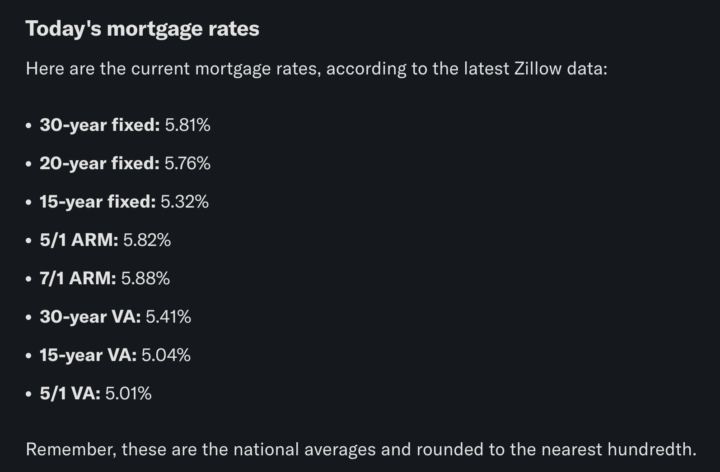
Friday 2/28/26 Mortgage Rates!
Look, if you're sitting on the sidelines wondering: - is it a good time to build? - is it possible to have multiple exit strategies? All you have to do is look at today's mortgage rates. The most popular is obviously the 30-yr rate... 🔥🔥🔥 IT'S AT 5.81!! 🔥🔥🔥 And this is up 7 basis points from 5.74! Get your build in THIS year. Build 2 Rent is easy with these low rates. Build 2 Sell, you have more buyers looking at your duplexes to buy. You can set up a time to talk so we can work together to build you one ASAP. Book a call here. Let's go! B2R, Juan-
🔥
0 likes • 9h
@Sharn Robertson

5d •
Slab Unevenness
@Juan Cristales what criteria do you hold your foundation contractor to in regards to how level the slab needs to be once complete? A follow-on question would be: Does your flooring guy automatically level the slab before he installs the flooring planks? Is that level work built into his square foot price that he gives you or is that an additional charge?
🔥
1 like • 4d
https://www.rmiflooring.com/
🔥
1 like • 4d
@Curtis Eickenloff any time!


28d •
Guidance without pressure. Knowledge without ego.
Hey B2R, just thought I'd introduce myself to the newbies to the community. I joined the B2R community on 8/30/24, back when there was a nominal fee, because I was looking for real support and real knowledge as I stepped into Build-to-Rent. What I found went far beyond that. Juan freely shares invaluable insight, not just theory, and consistently shows up for the community. He also does weekly late Thursday night calls, making sure students feel informed, confident, and comfortable asking questions as they navigate this space. What I appreciate most is Juan’s approach. He’s passionate, but always objective. He doesn’t tell you what to do, he walks you through your options, explains the trade offs, and gives you the space to make the best decision for your situation. That guidance has been instrumental in building my confidence as an investor. If you’re serious about Build-to-Rent and want education, support, and a community that truly wants to see you win, this is it. The community has very experienced builders, those that have done remodels, rehabs or those just getting started in new construction. No matter your starting point, this is an awesome, respectful community to provide the support you need. I'm rooting for us all, one build at a time! My B2R 2026 motto - “Faith in the Plan. Discipline in the Build.”

🔥
1 like • 26d
@Jordan Mead let's go!
🔥
1 like • 5d
Thanks so much for the kind words!
1-10 of 544

🔥
@juan-cristales-2673
Learn how to B2R (Build 2 Rent) your own Cash-Flowing Duplex & stop competing with other Investors for distressed Single Family Rentals.
Active 4h ago
Joined Jun 4, 2024
Willis, Texas
Powered by