Activity
Mon
Wed
Fri
Sun
Sep
Oct
Nov
Dec
Jan
Feb
Mar
Apr
May
Jun
Jul
What is this?
Less
More
Memberships
Onyx Elite Performance
139 members • Free
3 contributions to Onyx Elite Performance

Jul '25 •
HOW PSYCHEDELICS FUNCTION THERAPEUTICALLY
“The proposition that psilocybin impacts cognition and stimulates hippocampal neurogenesis is based on extensive evidence that serotonin (5- hydroxytryptamine or 5-HT) acting on specific 5-HT receptor sub-types (most likely the 5-HT2A receptor) is involved in the regulation of neurogenesis in hippocampus. The in vitro and in vivo animal data is compelling enough to explore whether psilocybin will enhance neurogenesis and result in measurable improvements in learning.” – Juan R. Sanchez-Ramos HOW PSYCHEDELICS FUNCTION THERAPEUTICALLY The classic psychedelics temporarily down regulate a system in the brain called the Default Mode Network (DMN). This system is managing how areas of our brain are communicating with each other. This is connected to what we call the ego (our identity, idea of self, how we label and categorize). When this system is less active different areas of the brain are more free to communicate with each other. The most important communication that happens here is the communication between the deeper emotional parts of our brain and the higher level functioning prefrontal cortex parts of our brain. This increase in communication allows new pathways and new ways of processing ourselves and our lives. It allows our emotional side to form new ways of connecting to our ego. This is why these medicines are so powerful. The ego is there helping us go through life in a comfortable routine sort of way. It is also preventing us from moving through and beyond past traumas and negative learned behaviour. The psychedelics disrupt this process and open the door for healing and growth. #healing #neuroscience #mentalhealth #neuroplasticity #traumahealing #depression #mushrooms #selfexploration

1 like • Sep '25
An interesting discussion is how different “prescribed drugs “ affect these systems and how they affect different people differently. Having been a gps Guinea pig years ago who didn’t understand post viral fatigue/illness ssris drove my normal level of anxiety to a level of horrible paranoia and tricyclics created an almost bullet proof ego and frightening lack of anxiety ! A more recent very short dabble into snris resulted in rapid dissociation with everything . Luckily jumped off that band wagon as quickly as I got on
Aug '25 •
The Matrix of Self Responsibility
It's the level of responsibility you are prepared to take for your problems, your pain, your life situation, your relationships, your health, your learning and your business..that will wholeheartedly determine the results that you create next. Responsibility is a choice you make, and as always it's yours to take, or not to take. "I am the master of my fate, I am the captain of my soul." Invictus, William Ernest Henley Make a list of all the areas in your life where you are currently not taking enough responsibility. What is it that you would like to change about your life/business/work right now ? How would you like to show up differently ? What commitments to change are you ready and willing to make right now?

0 likes • Sep '25
Gains vs possible losses 🤔
Jun '25 •
BOLT Score Test
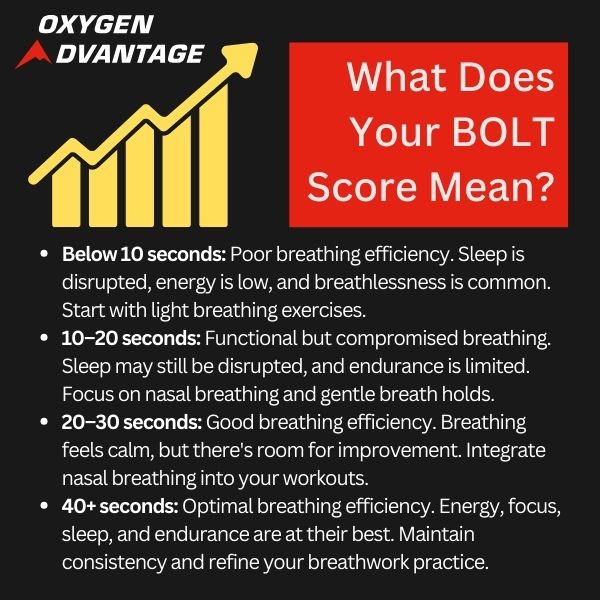
A simple, objective measure of breathlessness and of chemosensitivity to carbon dioxide. The breath is held after a normal exhalation until the first definite desire to breathe. The time of the breath hold is counted in seconds. This gives you your BOLT score. A BOLT score lower than 25 seconds indicates a stronger ventilatory response to CO2 and dysfunctional breathing. During the normal respiratory cycle, carbon dioxide accumulates in the blood. When the body is overly sensitive to the build-up of carbon dioxide, breathing becomes harder during rest, physical exercise and in sleep apnea patients. This is because CO2 plays an important role in respiratory biochemistry, providing the primary stimulus to breathe and facilitating the release of oxygen from the red blood cells to the tissues and organs. To obtain an accurate measurement, it’s best to rest for ten minutes before measuring your BOLT score. Read the instructions carefully first and have a timer on hand. You can measure your BOLT now: Take a normal breath in through your nose and allow a normal breath out through your nose. Hold your nose with your fingers to prevent air from entering your lungs. Time the number of seconds until you feel the first definite desire to breathe, or the first stresses of your body urging you to breathe. These sensations may include the need to swallow or a constriction of the airways. You may also feel the first involuntary contractions of your breathing muscles in your abdomen or throat as the body gives the message to resume breathing. Release your nose, stop the timer, and breathe in through your nose. Record your BOLT Score and post in comments 🌬️
1 like • Jul '25
29secs
1-3 of 3

Active 262d ago
Joined Apr 20, 2025
Powered by