
Pinned

Aug 22 •
I NEED 200 Professional Women
Since you're part of this community, and I’m conducting a survey of 200 professional women to better understand what keeps accomplished women from being fully seen, heard, and recognized—even when they have the experience, expertise, and results to back them up. I’d really value your perspective and would appreciate 10–15 minutes of your time to answer a few questions about your experience. This is research only. Once the survey is complete, I’ll also share the results and key findings with everyone who participates. Would you be open to participating? Comment or DM "Y"

Pinned

Pinned
Nov '24 •
Welcome! Introduce Yourself HERE 🔥
Hi! Welcome to Writers Block Academy. This community is designed to help you start and complete your journey of writing and publishing your book in 90-days. Step 1: Introduce yourself in THIS THREAD below! (✄ copy/paste template 👇) Where are you from? What are you working on? What immediate help do you need?
Poll
64 members have voted

Jul 8 •
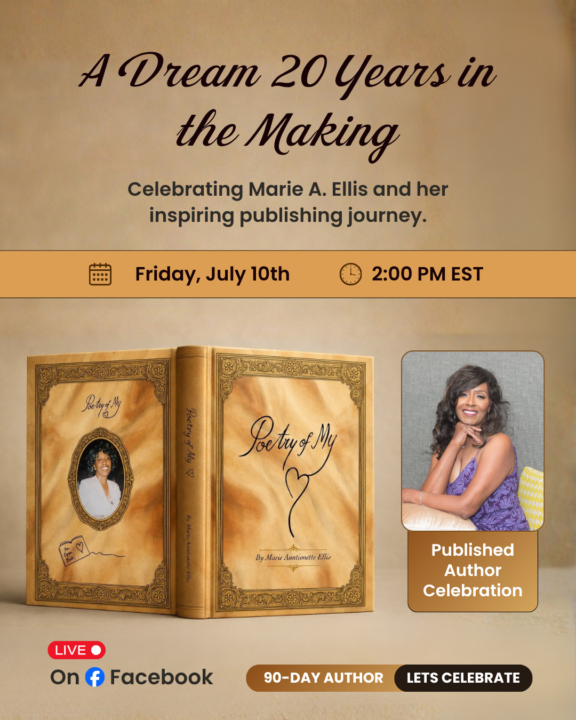
🥂 Cheers to my Mom!🥂
After YEARS of keeping this manuscript tucked away, my mom is officially a published author! This is one of those moments that fills my heart with overwhelming pride. Reading her poems reminded me that some words aren't just written—they're prayed, lived, and felt. Every poem is intentional. Every page carries the weight of love, loss, faith, hope, and healing. Some of these poems are dedicated to loved ones who are no longer physically with us. Yet through her words, their legacy continues to speak. Their voices, memories, and impact will now reach people they've never met. I can't believe she carried this gift inside her for so many years. Momma, thank you for having the courage to finally share your "heart" work with the world. Your labor of love is no longer hidden—it has become a blessing for everyone who read these pages. Congratulations, Author Marie A. Ellis! I'm so proud of you.🎉 Let's grab a copy today! https://a.co/d/0gDMk7bk My hope is that every reader finds exactly what they need within these pages—comfort, peace, healing, hope, or simply the reminder that they are never alone. Drop a ♥️ below and help me congratulate the newest published author!
1-30 of 604
powered by

skool.com/writers-block-5273
Ready to write your manuscript? I help aspiring and struggling Authors complete and publish their book in 90-days
Suggested communities
Powered by