
Write something

Nov '25 •
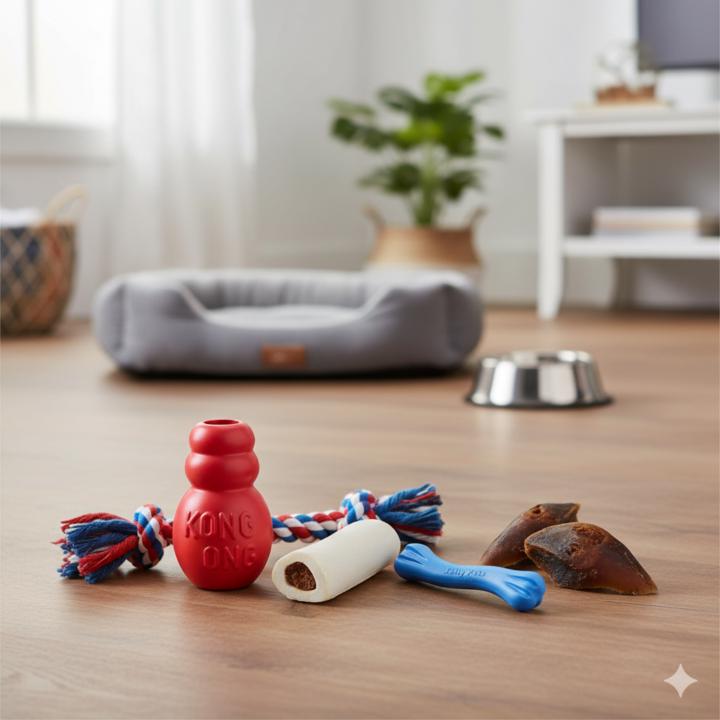
Five favorite dog toys!
1. Kong Toys: I love to fill these with large treats or kibble that barely fit through the opening. These are great for chewing and chasing. 2. Filled/hollow bones: when these are filled they're a fantastic temptation! When they're empty I like to smear peanut butter inside, maybe add some kibble, and freeze for longer play time! Really great for long car rides. 3. Cow hooves: these have a great scent for the dogs, and I also love to put some peanut butter in and freeze. They are great for the dogs teeth and soften as they're chewed on, so I find they're good for dogs that don't often like to chew on hard toys. 4. Jolly Bones: these have been SO durable! And they float! They're great for chase, tug, and chew. 5. Tug rope: these should only be for play or training and not for chewing. They are fantastic for play, rewards, and tricks! All of these are great for mental stimulation, and can be used in conjunction with regular training practices.
0
0
Oct '25 •
Are you speaking the same language?
If you were trying to work with someone who speaks an entirely different language, it would probably be difficult, frustrating, and filled with misunderstandings. In a way, that's what can happen between you and your dog! All behavior is communication. Your dog isn't necessarily misbehaving; they are speaking to you in their language. To solve the issues, we have to intentionally build a shared communication system. - Be the Translator: Learn what your dog's behaviors mean. - Be the Teacher: Teach clear, simple commands that your dog can understand. (this means don’t over repeat!) - Be Patient: Just like learning a new language, this takes patience and daily practice. - Start today by spending just 5 minutes teaching one command perfectly. What's the one behavior your dog does that you just can't "translate"? Share it below! 👇 Let's start building a common language!
0
0
Oct '25 •
Housework Helpers
Once you've built a solid foundation of how to properly communicate with your dog, then you can start doing really fun stuff!! Finn helps with laundry, brings in groceries, puts pieces of recycling in the bins, closes the door, pulls our bike like a sled dog, and used to fetch diapers and wipes. Part of it is his retriever genes, and part of it is the ground work we established so he knew how to learn with me. We implemented basic skills and commands focusing on Eye Contact, Engagement, and Energy. Eye Contact: get their attention on you Engagement: get them to follow through with your commands Energy: ensure they are in a calm mindset before praising Which of these do you feel you need the most help with? Or what help would you like your dogs to do?
2
0

Oct '25 •
The ONE skill every dog should know
“Place-Stay" The "Place" command is a core skill for building calmness and impulse control in any dog. The secret is about teaching them a calm mindset. What is "Place"? It's teaching your dog to go to a designated spot (a mat, bed, or cot) and stay there until released. It teaches them to settle and self-regulate, even when exciting things are happening around them. How to Start Implementing it TODAY: Mealtime Patience: Have your dog go to their Place before you sit down to eat. Make them stay until you give the release command. It's a powerful lesson in impulse control as well as respecting your boundaries. Doorway Manners: Practice having your dog go to Place before you answer the door, talk to a neighbor, or grab a package. This transforms the chaos of the front entry into a peaceful, structured event. Action Item: If you teach Place, tell us how it's changed the dynamic in your home! If you're new to it, what's the first situation you'll try it in? 👇 Let's turn your tension into tranquility with intentional training!
Sep '25 •
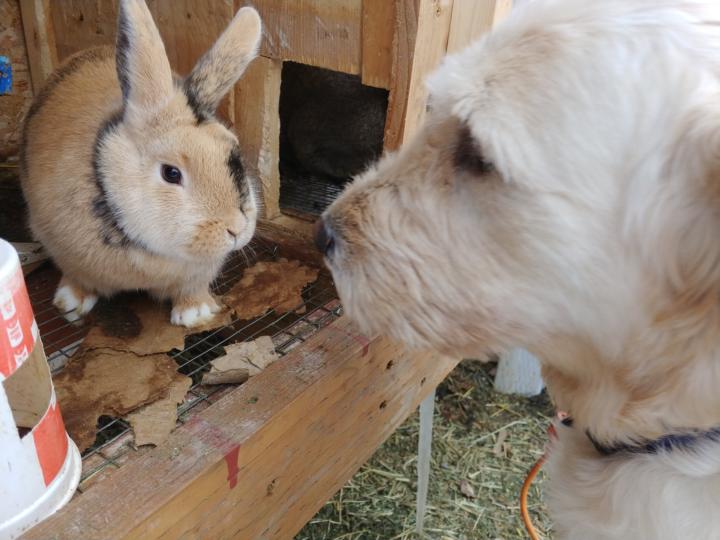
The Hard Truth
This might be tough to hear, but your dog is a reflection of your training—whether you know it or not. Every time you interact with your dog, you are training them. When you give them a treat for sitting, you're teaching them. When you let them jump on you to get attention, you're also teaching them. Every single decision you make is either helping you raise the dog you want, or accidentally training them to "misbehave." Because you are encouraging what you permit. So, how can we be more intentional? Start small. The next time your dog does something you don't like, pause and ask yourself: "What is the reaction I want to foster? What can I do differently this time?" This isn't about guilt; it's about empowerment. By being more intentional, you have the power to raise the dog you've always wanted. What's one habit you want to change in your dog? Let's talk about it. 👇
0
0
1-11 of 11

skool.com/wildflower-paws-8979
Helping overwhelmed and stressed dog owners become confident handlers, so they can enjoy a peaceful home and a strong bond with their pet.
Powered by